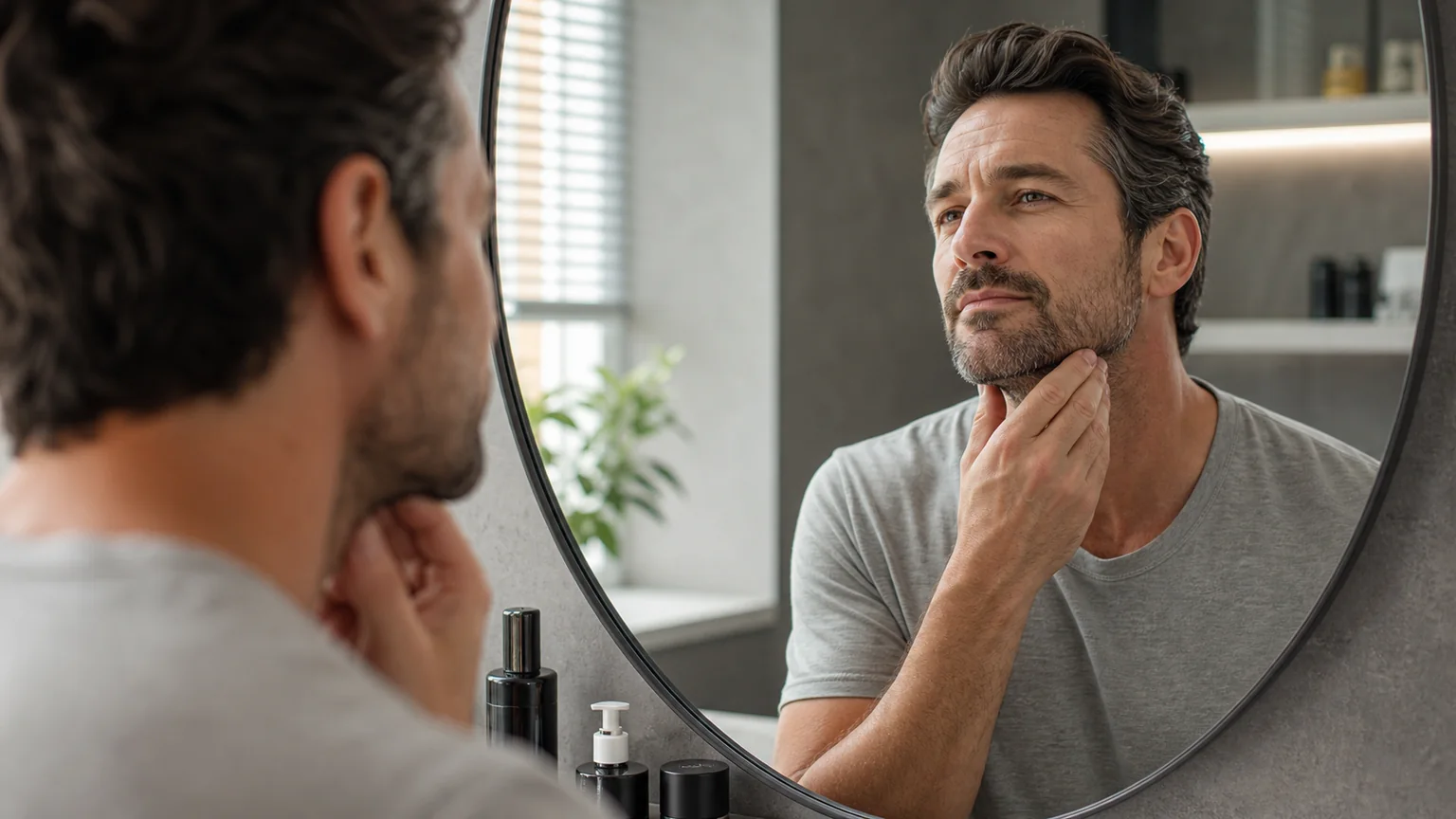
procedures for men Orange County can be worth discussing when a specific concern, realistic goal, and suitable treatment path align. Men often begin researching facial aesthetic care for a practical reason: something in the mirror, on video calls, or in photographs no longer matches how they feel. The concern may be a softer jawline, a tired expression, prominent forehead lines, changes around the eyes, or a nose or chin that has always felt out of balance. For someone comparing procedures for men in Orange County, the useful question is not whether cosmetic care is “for men.” It is whether a specific option fits the concern, health history, goals, and willingness to recover or maintain results.
Aesthetic treatment is personal. Men do not all want the same look, and an appropriate plan should not assume they do. Some prefer a subtle refresh that colleagues cannot identify. Others want to address a structural feature they have considered for years. A consultation should separate those goals, explain the tradeoffs, and avoid promising a particular outcome. Results and recovery vary by patient.
When Does It Make Sense to Consider an Aesthetic Procedure?
It may make sense to schedule a consultation when a concern is persistent, specific, and important to you—not because of pressure from someone else. A useful starting point is being able to describe what bothers you without prescribing the treatment yourself. For example, “My jawline looks less defined in profile” gives a clinician more room to evaluate anatomy than “I need filler.” The first statement identifies the concern; the second assumes the solution.
Timing also matters. A person may be interested in treatment but not ready for the recovery, maintenance, cost, or uncertainty involved. A professional evaluation can still be helpful because it clarifies which concerns are surgical, which may respond to non-surgical care, and which are better left alone. Choosing not to proceed is a valid outcome of an informed consultation.
Common Reasons Men Seek Facial Aesthetic Care
Men may seek care for age-related changes, facial balance, skin quality, or a feature that affects confidence. Frequent discussion areas include the forehead and brow, eyelids, nose, cheeks, chin, jawline, and neck. Some men are most concerned about looking tired or tense. Others are focused on profile balance or on restoring definition that has softened over time.
Work and lifestyle can influence when these concerns become noticeable. High-resolution cameras and frequent video meetings make people more aware of angles and expressions, but a camera image is not a medical assessment. Lighting, lens position, and screen distortion can exaggerate features. A decision should be based on an in-person evaluation and a stable goal rather than one unflattering image.
Start With the Concern, Not the Procedure Name
The same visible concern can have different causes. A less-defined jawline might relate to skin laxity, fat distribution, chin projection, neck anatomy, or a combination. A tired appearance could involve brow position, eyelid skin, volume changes, skin texture, or ordinary fatigue. Because the underlying anatomy differs, two men using the same words may receive very different recommendations.
This is why an anatomy-first conversation is important. The clinician should explain what each option is designed to address and what it will not change. If you want an overview of available paths before a consultation, the practice’s non-surgical procedure information and surgical procedure information can help organize your questions.
When Non-Surgical Options May Be Reasonable
Non-surgical care may make sense when the concern is relatively limited, when surgery is not appropriate, or when a patient prefers a treatment with a different recovery and maintenance profile. Depending on the evaluation, discussions may include neuromodulators for selected expression lines, fillers for carefully chosen volume or contour concerns, or skin-focused treatments for texture and tone.
These treatments should not be presented as interchangeable with surgery. They work on different tissues and have different limits. A non-surgical option may offer a subtle change, but it may also require maintenance. More treatment is not automatically better, and adding volume is not the correct answer for every sign of aging. Conservative planning is particularly important when preserving recognizably masculine facial proportions is a priority.
Men should also understand that “no downtime” is often an oversimplification. Even minimally invasive care can involve temporary redness, swelling, tenderness, bruising, activity restrictions, or follow-up. The expected course depends on the treatment and the individual.
When a Surgical Consultation May Be More Useful
Surgery may enter the conversation when the concern is structural or when tissue laxity cannot be meaningfully addressed with surface treatments or injectables. Examples may include significant eyelid changes, a longstanding nasal concern, a weak chin, or lower-face and neck laxity. The appropriate procedure, if any, depends on examination, health, goals, and recovery planning.
A surgical consultation does not commit you to surgery. It provides a clearer comparison between what surgery could address and what a non-surgical plan might reasonably accomplish. It should include scars, anesthesia, risks, follow-up, time away from work and exercise, and the possibility that the safest recommendation is to wait.
For men concerned about lower-face or neck definition, the practice’s neck lift surgery overview offers procedure-specific background. For nasal structure or breathing-related questions, a personalized evaluation is more reliable than trying to select a technique from online descriptions.
Facial Balance Often Matters More Than One Feature
Natural-looking planning considers how features relate to one another. Chin projection affects the apparent strength of the jawline and can influence how the nose looks in profile. Brow position can change how the upper face is perceived. Neck contour affects the transition from face to torso. Treating one area without considering its neighbors can create an imbalance even when the isolated change is technically successful.
A good consultation therefore includes several views of the face and a discussion of proportion. The goal is not to impose a standard masculine template. It is to understand the patient’s existing structure and identify whether a restrained change can support the requested result. A plan should preserve identity rather than make the patient look like someone else.
Age Is Less Important Than Anatomy and Readiness
There is no universal age for starting or stopping aesthetic care. Younger men may ask about inherited facial structure, acne-related texture, or a feature such as the nose or ears. Men in midlife may notice expression lines, eyelid changes, or reduced jawline definition. Older patients may be considering more visible laxity or cumulative skin changes.
Age can inform the conversation, but it does not determine candidacy. Health status, medication use, smoking, healing history, skin quality, anatomy, expectations, and available recovery support all matter. A healthy, informed patient with realistic goals may be a better candidate than someone younger who is acting under pressure or expecting a guaranteed transformation.
What “Natural” Results Usually Require
Many male patients say they want to look rested, sharper, or more like themselves—not obviously treated. Achieving that kind of result begins with a modest and specific goal. It also requires respecting features that contribute to the person’s identity, including brow shape, facial width, hairline, beard pattern, jaw angle, and skin thickness.
Natural does not mean invisible, and it cannot be guaranteed. It means the plan is proportionate to the concern and avoids unnecessary treatment. Staging care over time may be more appropriate than addressing several areas at once. It may also become clear that the requested change would not produce the effect the patient imagines. An ethical consultation should say so.
Health and Safety Questions Come Before Aesthetics
Every procedure has considerations and potential risks. A complete health history matters even for treatments that seem routine. Patients should disclose medical conditions, prior procedures, allergies, supplements, medications, nicotine use, and any history that may affect bleeding, healing, or anesthesia. Do not stop prescribed medication unless the appropriate clinician gives specific instructions.
For surgery, planning includes transportation, help during early recovery, time away from work, follow-up visits, and a realistic return to exercise and public activities. For non-surgical treatment, planning may include bruising risk, sun exposure, travel, and timing around important events. A rushed schedule is rarely a good reason to minimize safety guidance.
How to Prepare for a Male Aesthetic Consultation
Preparation makes the appointment more useful. Write down the one or two concerns that matter most. Bring a current medication and supplement list, relevant medical history, and information about prior cosmetic procedures. If certain photographs illustrate the concern, bring them as examples while recognizing that camera conditions can distort appearance.
It is also helpful to describe what you want to preserve. A patient may want to keep a strong brow, avoid added fullness, maintain a characteristic nose, or preserve facial movement. Those preferences are part of the treatment goal. If you are ready for an individualized discussion, use the practice’s appointment request page rather than relying on a generic online checklist.
Questions Worth Asking During the Consultation
- What anatomical factors are contributing to the concern I see?
- Which options address that cause, and which only affect the surface?
- What change is realistic, and what will remain unchanged?
- What are the important risks and alternatives?
- What recovery or maintenance should I plan for?
- How could the plan preserve my natural facial character?
- What would make you advise waiting or choosing no treatment?
Clear answers are more valuable than a long menu of procedures. You should leave with a better understanding of the problem and the options, even if you decide not to move forward.
Red Flags That Suggest You Should Slow Down
Be cautious if a recommendation guarantees a result, dismisses recovery, pressures you to book immediately, or proposes multiple treatments without explaining why each is needed. Before-and-after photographs can be educational, but they do not predict an individual result. Ask whether examples show patients with comparable anatomy and concerns, and remember that lighting and positioning matter.
It is also reasonable to pause if your goal changes frequently, if you are responding mainly to outside criticism, or if you expect treatment to solve a broader personal or professional problem. Aesthetic care can address selected physical concerns; it cannot guarantee confidence, career outcomes, or relationship changes.
Frequently Asked Questions
What are the most common facial aesthetic concerns for men?
Common discussion areas include forehead lines, eyelids, nose shape or function, chin projection, jawline definition, neck laxity, and skin texture. The best option depends on what causes the concern, not simply on how it is described.
Do aesthetic procedures make men look less masculine?
They should not be planned around a stereotype. A thoughtful approach considers the patient’s existing proportions and the features he wants to preserve. Results vary, and no particular appearance can be guaranteed.
Are non-surgical procedures always the best place to start?
No. Non-surgical care may suit certain concerns, but it cannot correct every structural issue or degree of laxity. Sometimes a surgical consultation provides the clearest comparison, even if the patient ultimately chooses no treatment.
How much downtime should a man expect?
Downtime varies substantially by procedure and patient. Even minimally invasive care can cause temporary effects, while surgery requires more extensive recovery planning. The clinician should give instructions based on the actual treatment and your health.
How can I avoid looking overtreated?
Start with a specific concern, prioritize conservative goals, and ask what does not need treatment. Choose a qualified clinician who explains limits and is comfortable recommending less treatment or no treatment when appropriate.
How do I know whether now is the right time?
The timing may be reasonable when the concern is stable, the goal is personal and realistic, your health supports the option, and you can accommodate recovery or maintenance. A consultation is the appropriate place to evaluate those factors together.
Conclusion
Aesthetic procedures for men make sense when a clearly defined concern, realistic goal, suitable health profile, and informed treatment choice come together. The process should begin with anatomy and priorities—not trends or pressure. Whether the discussion leads to skin care, a non-surgical option, surgery, or no treatment, the best plan is individualized, conservative, and honest about benefits, limits, recovery, and risk. This article is educational and does not replace a personalized medical consultation. Results vary by patient.