News
Thousands of Referrals Upon Request Aftercare provided by Registered Nurses when needed Dual Board Certified Facial Plastic Surgeon Advanced Fellowship-Trained in Facial Plastic & Reconstructive Surgery Over 21 Years at Pacific Hills Surgery Center Exclusive Allergan Provider 100% Authentic Products Most Advanced Laser Hair Removal Technology
Home  ›  Aesthetic RN Procedures  ›  Chemical Peel

Chemical Peel

Chemical Peel — Aliso Viejo

Chemical peels in Aliso Viejo are consultation-based skin-resurfacing options selected according to skin type, concern, peel depth, and risk. Candidacy, recovery, and results vary.

Chemical peel — Robinson Facial Plastic Surgery
When to Consider a Chemical Peel

Which Concerns May Prompt a Chemical Peel Consultation?

A chemical peel consultation may be considered for selected concerns involving texture, visible discoloration, fine lines, or post-acne marks. The cause, skin type, medical history, current products, medications, and goals affect whether a peel may be appropriate.

A facial chemical peel applies a selected solution to create controlled exfoliation at an intended depth. The response, degree of peeling, and change in texture or tone vary; treatment does not erase every visible concern or guarantee tightening.

During evaluation, the clinical team reviews the skin and discusses whether a superficial peel, medium-depth peel, another resurfacing option, or no peel is appropriate. Product, strength, application time, preparation, and aftercare are individualized for patients in Aliso Viejo and throughout Orange County.

Chemical Peel Treatment

Chemical Peel Penetration Depths

Superficial Peel. A lighter chemical exfoliation option that may be discussed for selected surface-level concerns. Product choice, treatment frequency, visible peeling, and downtime vary.

Medium-Depth Peel. A stronger resurfacing category with different preparation, recovery, pigment-change, and scar considerations. Frequency and downtime require individualized guidance.

Deep Peel. A distinct, higher-risk category requiring careful medical evaluation. Patients researching a deep chemical peel should review the related Phenol Peel service and discuss candidacy, alternatives, and recovery.

01About the Treatment

What Should You Know About Chemical Peel Recovery?

Recovery depends on the peel product, strength, depth, treatment area, and individual response. Redness, tenderness, flaking, irritation, pigment change, infection, scarring, or other effects may occur. Follow individualized product, sun-protection, activity, and symptom-reporting instructions rather than self-treating a reaction.

When a peel is appropriate, the plan is selected for the patient's skin, concern, risk profile, and goals. No blemish-free, youthful, or fixed cosmetic result can be promised.

The consultation may compare a peel with IPL Photofacial or PRP Dermal Needling when those services address a separate concern. Combining services does not guarantee enhanced results.
  • Evaluation of selected fine-line and surface-texture concerns
  • Discussion of visible discoloration and pigment-change risk
  • Assessment of post-acne marks and realistic limitations
  • Patient-specific tone and clarity goals
  • Explanation of the intended controlled-exfoliation response
  • No guaranteed texture, softness, or radiance outcome
  • Product and strength selected after skin evaluation
  • Application and visit timing vary by the treatment plan
Individualized
Application and visit timing
Variable
Peeling and downtime
Patient-Specific
Healing and results
02TCA Peel

What Is a TCA Peel?

TCA (trichloroacetic acid) is one agent used for chemical resurfacing at selected concentrations and depths. Evaluation should address skin type, the concern being treated, preparation, prescription or nonprescription products, pigment-change and scar risk, aftercare, and alternatives. A TCA peel is not risk-free, and peeling or healing time varies.

Lighter TCA Peel

A lighter TCA peel may be planned as one treatment or a series depending on response and clinical guidance; no schedule or best result is universal.

Medium-Depth TCA

A medium-depth TCA peel requires individualized preparation, recovery, and follow-up guidance. Treatment frequency and visible peeling vary.

TCA chemical peel treatment

Concerns Discussed During a TCA Peel Evaluation

  • Selected visible brown-spot or age-spot concerns
  • Selected texture and photodamage concerns
  • Realistic tone and appearance goals
  • Melasma evaluation, recurrence, and pigment-change risk
  • Acne history and whether another treatment is more appropriate
  • Selected fine-line and surface-irregularity concerns
03How It Works

How Do TCA Peels Work?

TCA concentration, application technique, skin preparation, and treatment depth affect the controlled skin response. Stronger or deeper treatment can increase risks such as pigment change and scarring. The clinical team selects an approach only after evaluation and cannot guarantee a desired result or complication-free course.

Sun Protection EssentialAfter any peel, skin is more susceptible to UV damage. Daily SPF and protective clothing are mandatory.
Keep Skin HydratedUse gentle, hydrating products to support healing and minimize flaking or irritation.
Avoid Picking or PeelingAllow skin to peel naturally. Interfering can cause scarring or uneven pigmentation.
Follow-Up PlanningWhether another treatment is considered depends on skin response, recovery, goals, and clinical guidance.
Chemical peel process
04Treatment Areas

What Areas Can Be Treated With TCA Peels?

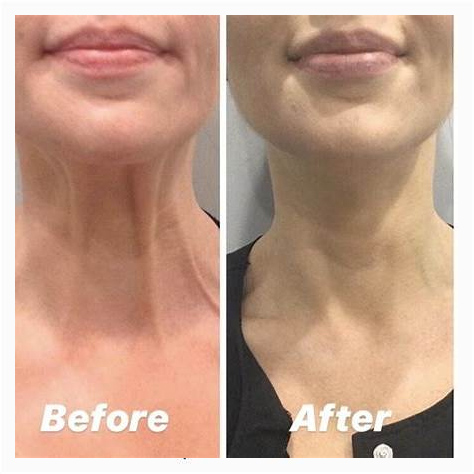
The face and selected non-facial areas may respond differently to TCA. Treatment-area size, skin characteristics, healing capacity, systemic exposure, pigment change, and scar risk require clinical assessment. Comparing a TCA peel with laser resurfacing or another option should be based on candidacy, risk, goals, and total care—not a promised result or price assumption.

Face Neck Chest / Décolletage Arms Back Legs

Ready to Discuss a Chemical Peel Consultation?

Call (949) 831-5900 or request an appointment with Robinson Facial Plastic Surgery to discuss chemical peel candidacy, alternatives, preparation, and aftercare.