What to Expect During Your First Facial Aesthetic Consultation

Introduction: Your Journey Begins Here
Your first aesthetic consultation represents a crucial milestone the moment when aspirations transform into actionable plans, concerns find professional guidance, and possibilities become clearer. Whether you’re considering surgical procedures, exploring non-surgical options, or simply gathering information about maintaining youthful appearance, this initial consultation establishes the foundation for your entire aesthetic journey. Understanding what to expect, how to prepare, and what questions to ask ensures you maximize this important appointment’s value.
Many patients approach first consultations with uncertainty, not knowing what will happen, how long appointments last, whether they’ll feel pressured toward procedures, or if their concerns will be taken seriously. This anxiety can prevent people from scheduling consultations altogether, delaying or abandoning potentially beneficial treatments. However, quality consultations with reputable providers should feel informative, comfortable, and pressure-free professional assessments where your concerns receive respectful attention, realistic options are presented clearly, and your autonomy in decision-making remains paramount.
This comprehensive guide demystifies the consultation process, explaining what actually happens during your first aesthetic visit, how providers assess your concerns and develop treatment recommendations, questions you should ask and information you should provide, and what follow-up steps typically occur after consultation. Moreover, you’ll discover how to identify quality providers who prioritize your interests, red flags indicating practitioners to avoid, and strategies for making the most of your consultation time. Whether scheduling your first appointment or preparing for upcoming consultation, this information empowers confident, informed participation in your aesthetic planning process.
Before Your Consultation: Preparation Steps
Identifying Your Goals and Concerns
Before your appointment, spend time clarifying what you hope to achieve. Identify specific concerns bothering you—particular wrinkles, volume loss areas, sagging zones, or general aging signs. Additionally, consider your broader goals: looking refreshed versus dramatic transformation, maintaining natural appearance versus embracing more obvious enhancement, or addressing specific features versus comprehensive rejuvenation.
Writing down your concerns and goals helps organize your thoughts and ensures you don’t forget important points during consultation. You might also collect photos illustrating concerns or results you admire (though photos of yourself at younger ages often prove more helpful than celebrity images, as they show your natural features rather than someone else’s).
Researching Potential Providers
Quality consultations begin with selecting appropriate providers. Research candidates’ credentials including board certification, specialized training in facial aesthetics, years of experience with procedures you’re considering, and patient reviews and before-and-after galleries. Additionally, verify that providers work in accredited facilities meeting safety standards.
This research ensures you consult with qualified practitioners whose expertise aligns with your needs. Scheduling consultations with multiple providers allows comparison of approaches, recommendations, and rapport—helping you choose the best fit for your aesthetic journey.
Gathering Medical Information
Prepare to discuss your complete medical history including current health conditions and medications, previous surgeries or aesthetic treatments, allergies to medications or topical products, family history of relevant conditions, and lifestyle factors like smoking or sun exposure habits.
Bringing a written list of medications (including supplements) ensures accuracy and saves time. Additionally, if you have specific health concerns potentially affecting treatment, gather relevant medical records to share during consultation.
Preparing Questions
Develop a list of questions you want answered. Common consultation questions include provider’s experience with your specific concerns, recommended treatment approaches and alternatives, expected results and realistic limitations, costs, payment options, and financing, recovery time and activity restrictions, and potential risks and complications.
Writing questions beforehand prevents forgetting important inquiries once consultation begins. Don’t worry about asking “basic” questions—consultations exist precisely to educate and inform you.
During Your Consultation: The Process
Initial Discussion and Goal Setting
Quality consultations typically begin with conversation rather than immediate examination. Your provider or consultation coordinator will ask about your concerns, what bothers you most, what you hope to achieve, any specific procedures you’ve researched, and factors influencing your timing (upcoming events, lifestyle considerations, etc.).
This discussion establishes mutual understanding of your goals and expectations. Honest, clear communication during this phase proves crucial—providers need to understand what you truly want to develop appropriate recommendations.
Comprehensive Facial Analysis
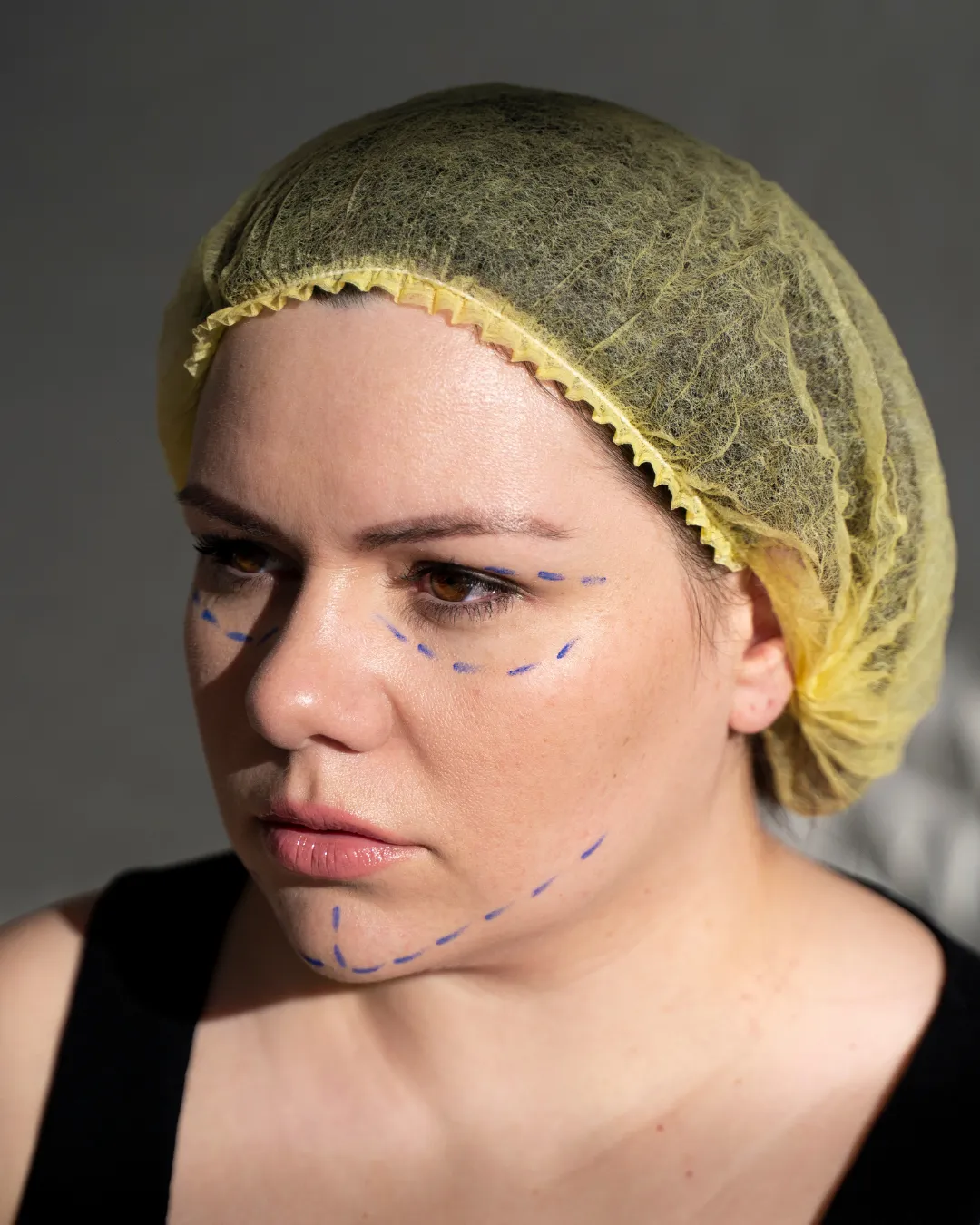
Following initial discussion, your provider conducts thorough facial assessment. This typically includes visual examination of your facial features, skin quality, and aging patterns, assessment of facial proportions and symmetry, evaluation of bone structure, fat distribution, and volume, skin texture, tone, and laxity assessment, and often photographs from multiple angles for documentation and planning.
This examination may involve touching your face to assess skin elasticity, underlying structures, and treatment areas. Providers should explain what they’re examining and why, maintaining professional demeanor throughout assessment.
Many practices use mirror discussions examining your face together while provider points out specific anatomical features, aging patterns, and how different treatments might address concerns. This collaborative approach helps you understand recommendations’ rationale.
Treatment Recommendations and Education
After assessment, your provider discusses recommendations. Quality providers explain which treatments address your specific concerns and why, realistic expectations including what treatments can and cannot achieve, various options ranging from conservative to aggressive approaches, and timing considerations for optimal results.
This should be educational conversation, not sales pitch. Providers should welcome questions, explain medical terminology, and ensure you understand recommendations thoroughly. Additionally, they should discuss why they recommend specific approaches over alternatives, helping you understand treatment selection rationale.
For surgical procedures, expect discussion of surgical technique, anesthesia type, facility where surgery would occur, recovery timeline and process, and potential risks and complications. For non-surgical treatments, discussion typically covers how treatments work, treatment process and what you’ll experience, expected duration of results, and maintenance requirements.
Cost Discussion and Financial Planning
Consultations should include transparent cost discussion. Expect information about treatment costs (often provided as ranges or estimates), what costs include (facility fees, anesthesia, follow-up, etc.), payment options and accepted payment methods, and financing options if available.
Quality providers present costs clearly without pressure tactics. If costs exceed your budget, they should discuss whether alternative approaches or staged treatment plans could work within your financial parameters.
Timeline and Next Steps
Before consultation concludes, clarify next steps. This might include scheduling surgery or treatment if you’re ready to proceed, follow-up consultation to discuss questions after considering options, additional medical evaluations or clearances required, or simply taking time to think without obligation.
Quality providers never pressure immediate decisions they understand that cosmetic treatments require careful consideration and respect your need for time to decide.
What Quality Consultations Include
Patient-Centered Approach
Excellent consultations prioritize your concerns, goals, and comfort rather than provider’s agenda. Indicators of patient-centered care include listening more than talking, asking questions about your goals and lifestyle, discussing multiple options rather than single recommendation, respecting your budget and timeline constraints, and welcoming questions without defensiveness.
Conversely, red flags include providers who immediately recommend expensive procedures, dismiss your concerns or goals, pressure quick decisions, or seem focused on maximizing sales rather than your satisfaction.
Realistic Expectations
Quality providers set honest, realistic expectations rather than overpromising results. They should discuss what treatments can realistically achieve for your specific situation, limitations and what treatments cannot fix, possible need for multiple treatments or combination approaches, and realistic recovery timelines and temporary side effects.
Be wary of providers guaranteeing specific outcomes or suggesting treatments will solve all concerns without mentioning limitations.
Thorough Risk Discussion
Every procedure carries risks. Quality consultations include honest discussion of potential complications and side effects, how provider minimizes risks, what to do if complications occur, and statistical likelihood of various risks.
Providers who minimize or avoid risk discussion, suggest treatments carry “no risks,” or seem dismissive of safety concerns should raise red flags.
Professional Environment
Consultations should occur in professional medical settings not spas, shopping malls, or non-medical environments. The facility should be clean and well-maintained, staff should be professional and courteous, privacy should be respected during consultation, and medical equipment and emergency supplies should be visible.
Additionally, providers should display credentials, certifications, and before-and-after examples demonstrating their work quality.
Questions to Ask During Consultation
About the Provider
Essential provider questions include their board certification and specialized training, years performing specific procedures you’re considering, how many times they’ve performed your procedure, complication rates and how they’re managed, and whether they have hospital privileges (relevant for surgical procedures).
Quality providers welcome these questions and answer thoroughly. Defensiveness or vague responses warrant concern.
About Treatment Specifics
Treatment-specific questions include why provider recommends this approach over alternatives, what happens if you’re not satisfied with results, revision policies and associated costs, realistic recovery timeline specific to your situation, and when you can resume work, exercise, and normal activities.
About Results and Maintenance
Result-oriented questions include how long results typically last, maintenance requirements for sustained results, when you’ll see final results, what factors might affect your results, and before-and-after photos of patients with similar concerns.
About Safety and Credentials
Safety questions include facility accreditation status, who administers anesthesia and their qualifications, emergency protocols if complications occur, and what follow-up care is included.
Red Flags to Watch For
High-Pressure Tactics
Quality providers never pressure immediate decisions. Red flags include “today only” discounts or special offers, pressure to book surgery during consultation, criticism of your decision to consult other providers, or dismissal of your need to think about decisions.
Trust your instincts—if you feel pressured rather than supported, seek care elsewhere.
Unrealistic Promises
Be wary of providers who guarantee specific outcomes, promise results identical to photos or celebrities, minimize recovery time or risks, or suggest treatments can solve all concerns without limitations.
Honest providers acknowledge individual variations in outcomes, realistic limitations, and potential for revision needs.
Inadequate Assessment
Comprehensive consultation requires thorough assessment. Red flags include rushed consultations with minimal examination, recommendations before discussing your goals, one-size-fits-all treatment recommendations, or lack of discussion about your medical history or lifestyle.
Poor Communication
Quality consultations involve clear, respectful communication. Warning signs include providers who talk down to you or use confusing jargon without explanation, dismiss your questions or concerns, become defensive when asked about credentials or risks, or seem more focused on sales than education.
How DrFace Can Help
At DrFace, we believe consultations should be educational, comfortable, and pressure-free experiences where your concerns receive genuine attention and respect. Our consultation process includes thorough discussion of your goals, concerns, and expectations, comprehensive facial assessment with detailed explanation, honest treatment recommendations with realistic expectations, transparent cost discussion without pressure tactics, and ample time for questions in relaxed, supportive environment.
Furthermore, we never pressure decisions during consultation. We encourage patients to take time considering options, consult other providers for comparison, and return with additional questions. Your comfort and confidence in decisions matter far more than our appointment calendar.
We also provide detailed consultation summaries including recommendations discussed, estimated costs and timelines, before-and-after photos relevant to your concerns, and educational materials about recommended treatments. This documentation helps you review information at home and make informed decisions.
Frequently Asked Questions
How long do consultations typically last?
Quality consultations usually last 30-60 minutes, sometimes longer for complex cases or multiple procedures under consideration. Rushed 10-15 minute consultations rarely provide adequate time for thorough assessment and education. If providers schedule very short consultations, this may indicate assembly-line approach prioritizing volume over quality care.
Will I feel pressured to schedule treatment during consultation?
You should never feel pressured. Quality providers respect your need to consider options carefully. However, if you’re ready to proceed after consultation, providers should accommodate scheduling. The key distinction: support when you’re ready versus pressure when you’re not. Trust your instincts—if you feel pushed rather than supported, that’s a red flag.
Should I consult multiple providers before deciding?
Absolutely. Consulting several providers allows comparison of recommendations, approaches, costs, and rapport. Different providers may suggest different approaches—these variations help you make informed decisions. Most patients consulting multiple providers gain confidence in final decisions through this comparison process.
What if I’m too embarrassed to discuss my concerns?
Quality providers create judgment-free environments where you can discuss concerns comfortably. Remember—providers see patients with diverse concerns daily and maintain professional, compassionate approach to all consultations. Your concerns are valid, and discussing them openly helps providers develop appropriate recommendations. If you feel judged or uncomfortable, that reflects provider inadequacy, not your concerns’ validity.
Can I bring someone to my consultation?
Yes, many patients bring trusted friends, partners, or family members for support and second perspectives. Having someone present can help you remember information discussed and provide emotional support. However, ensure your companion supports your decisions rather than imposing their preferences—consultations focus on your goals, not others’ opinions.
What if the provider recommends more aggressive treatment than I want?
Quality providers respect your preferences for conservative versus aggressive approaches. If recommendations exceed your comfort level, communicate this clearly. Providers should be willing to discuss more conservative options. If they dismiss your preferences or seem unable to work within your comfort parameters, consider consulting other providers whose philosophy aligns better with yours.
Schedule Your Consultation Today
Your aesthetic journey deserves to begin with thorough, supportive consultation where your concerns receive genuine attention and respect. At DrFace, we’re committed to making your first consultation informative, comfortable, and pressure-free.
Our consultations provide comprehensive assessment of your concerns and goals, honest, realistic treatment recommendations, transparent discussion of costs and timelines, ample opportunity for questions, and supportive environment without sales pressure.
We recognize that scheduling first aesthetic consultation requires courage and trust. We honor this by providing exceptional consultation experiences that inform, educate, and support your decision-making process. Whether you proceed with treatment, need more time to decide, or determine aesthetic intervention isn’t right for you currently, we respect your choices and provide guidance you need.
Don’t let uncertainty about consultation process delay exploring options that could enhance your confidence and quality of life. Take the first step today schedule your consultation and discover how DrFace’s patient-centered approach makes your aesthetic journey comfortable, informed, and aligned with your unique goals and values.
Conclusion: Beginning Your Journey Confidently
Your first aesthetic consultation represents important beginning the moment when possibilities become plans, concerns find solutions, and aesthetic goals transform from wishes into actionable strategies. Quality consultations provide education, assessment, honest guidance, and supportive environment allowing confident decision-making about your appearance and aesthetic future.
The consultation process should feel empowering rather than intimidating, educational rather than sales-focused, and supportive rather than pressured. When these elements align with qualified, experienced providers who prioritize your interests, consultations become valuable experiences regardless of whether you ultimately proceed with treatment immediately, later, or not at all.
Moreover, first consultations often provide unexpected value beyond treatment planning education about aging processes, skincare recommendations, non-treatment alternatives, and realistic understanding of what aesthetic medicine can and cannot achieve. This knowledge empowers better long-term decisions about managing your appearance and investing wisely in aesthetic care.
At DrFace, we’re passionate about exceptional consultation experiences that honor your concerns, respect your autonomy, and provide honest guidance supporting informed decisions. We believe that beginning your aesthetic journey with thorough, pressure-free consultation establishes foundation for satisfaction, trust, and successful outcomes throughout your relationship with us.
Your aesthetic transformation deserves to begin with consultation that educates, informs, and supports confident decision-making. Experience the difference that patient-centered care makes where your concerns receive genuine attention, your questions receive thorough answers, and your comfort and satisfaction matter more than appointment revenue. Choose DrFace for consultations that exemplify aesthetic medicine’s highest standards combining expertise with compassion, honesty with encouragement, and professionalism with genuine care for your aesthetic goals and overall wellbeing.