The Role of AI in Facial Plastic Surgery Planning
The intersection of artificial intelligence and aesthetic medicine is revolutionizing how facial plastic surgeons approach patient consultations and surgical outcomes. AI facial plastic surgery represents a paradigm shift in cosmetic enhancement, where advanced algorithms and machine learning capabilities now assist surgeons in creating more precise, personalized treatment plans than ever before.
Today’s patients seeking facial rejuvenation expect more than artistic intuition—they demand data-driven precision. Artificial intelligence aesthetics delivers exactly that, transforming subjective beauty ideals into objective, measurable outcomes through sophisticated imaging analysis and predictive modeling.
As surgical planning technology continues to evolve, facial plastic surgery practices that embrace AI-powered tools gain significant advantages in patient satisfaction, surgical accuracy, and competitive positioning. This comprehensive guide explores how artificial intelligence is reshaping facial aesthetics and why it matters for patients considering cosmetic procedures.
Understanding AI in Facial Plastic Surgery
AI cosmetic surgery applications utilize machine learning algorithms trained on thousands of facial images to recognize patterns, predict outcomes, and suggest optimal treatment approaches. Unlike traditional surgical planning methods that rely solely on surgeon experience and basic imaging, AI systems analyze facial structures with mathematical precision, identifying asymmetries and recommending balanced, harmonious corrections.
These intelligent systems don’t replace the surgeon’s expertise—they enhance it. By processing vast datasets of successful surgical outcomes, AI tools provide surgeons with evidence-based recommendations tailored to each patient’s unique facial anatomy, skin quality, and aesthetic goals.
The technology incorporates computer vision to map facial landmarks, deep learning to predict aging patterns, and simulation algorithms to visualize potential results before any incision is made. This creates a collaborative environment where surgeon artistry meets computational accuracy.
How AI Transforms Surgical Planning
Precision Facial Analysis
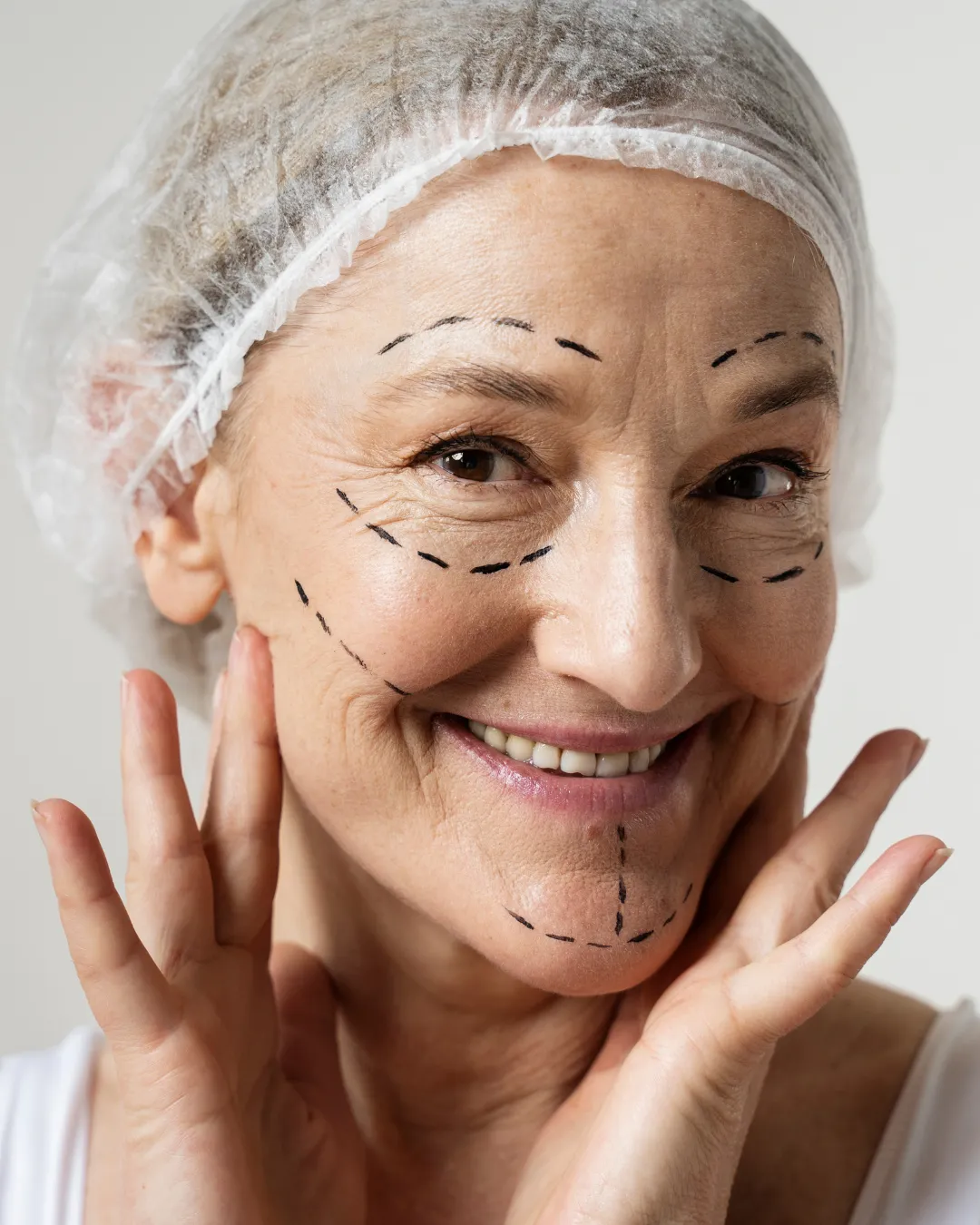
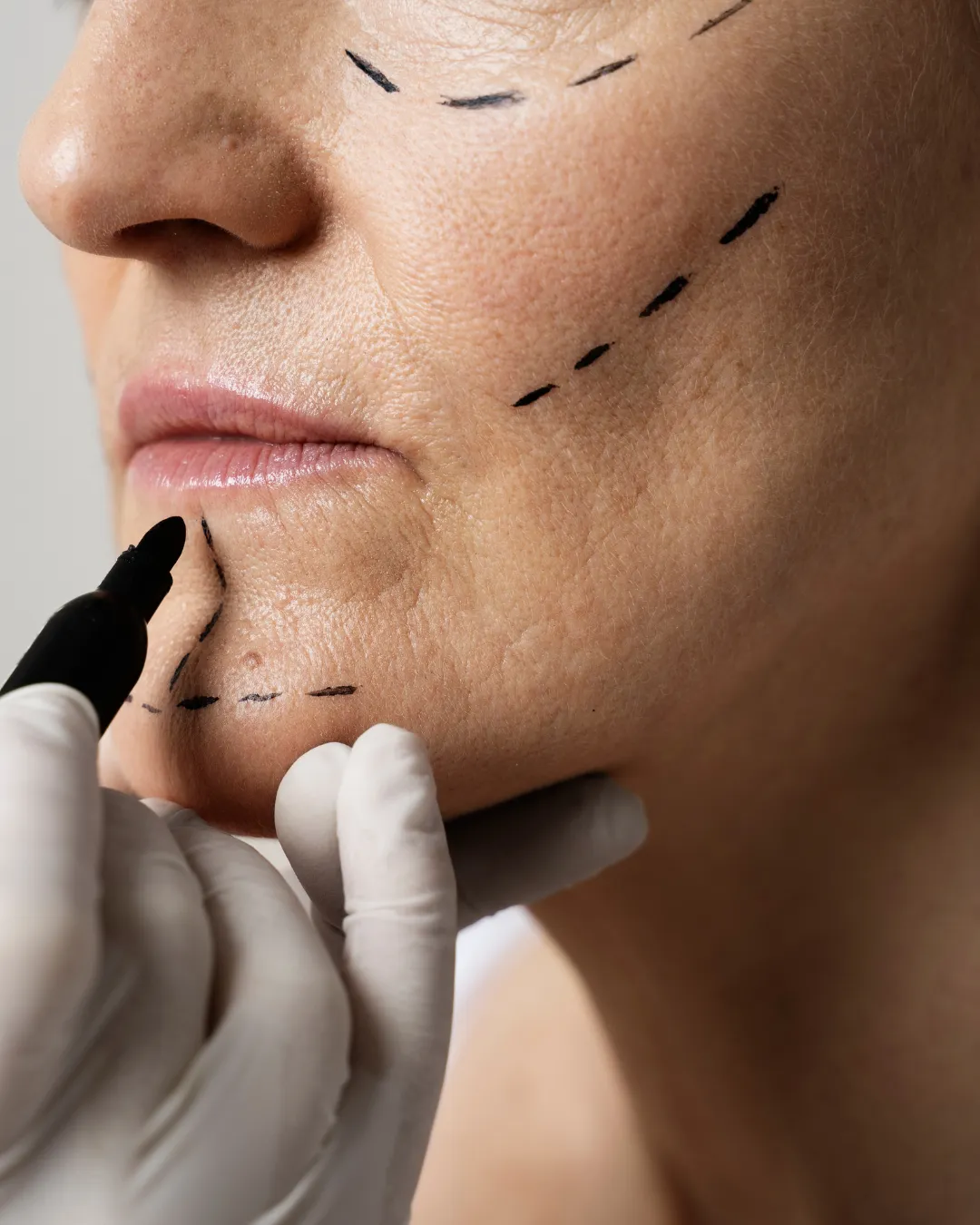
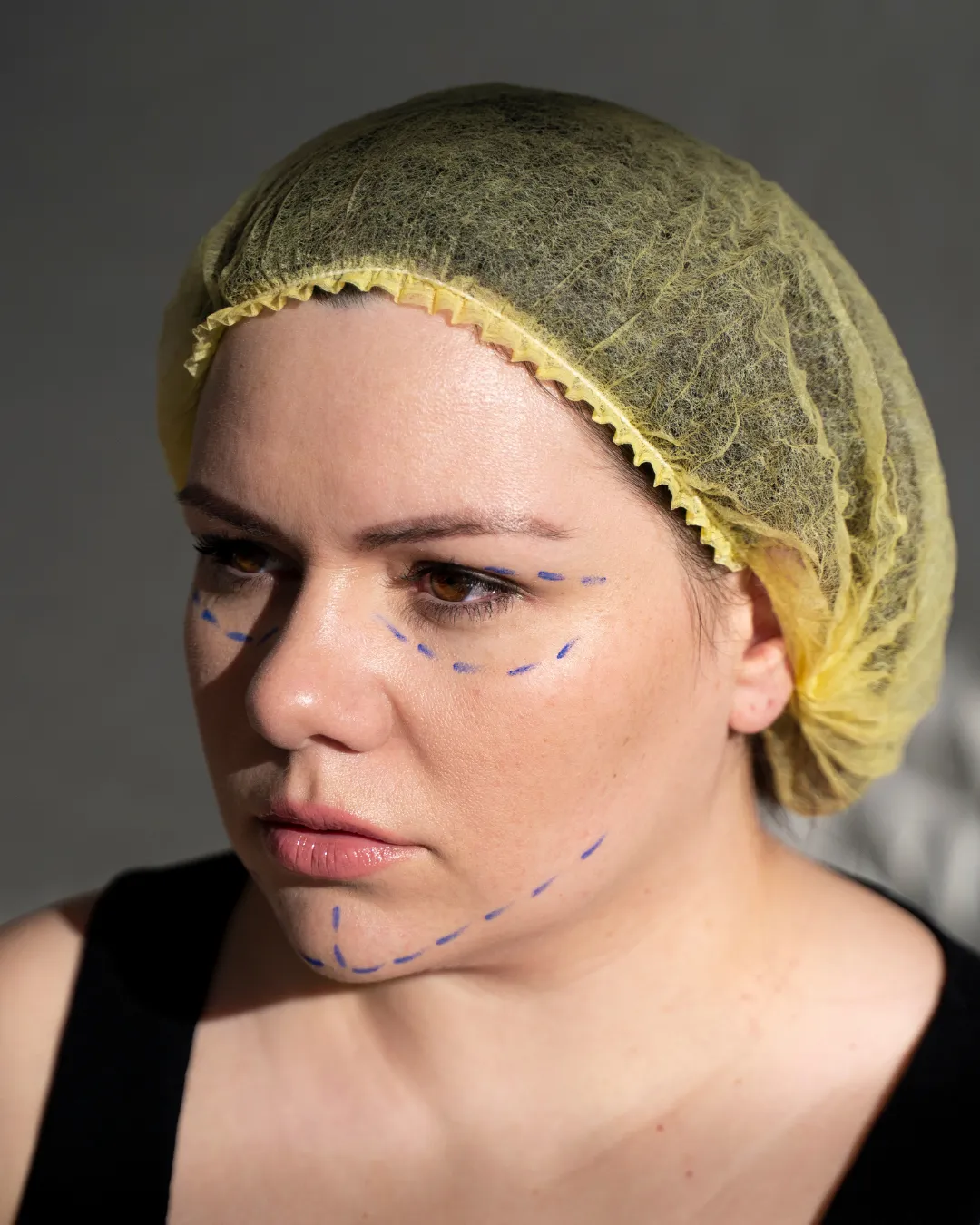
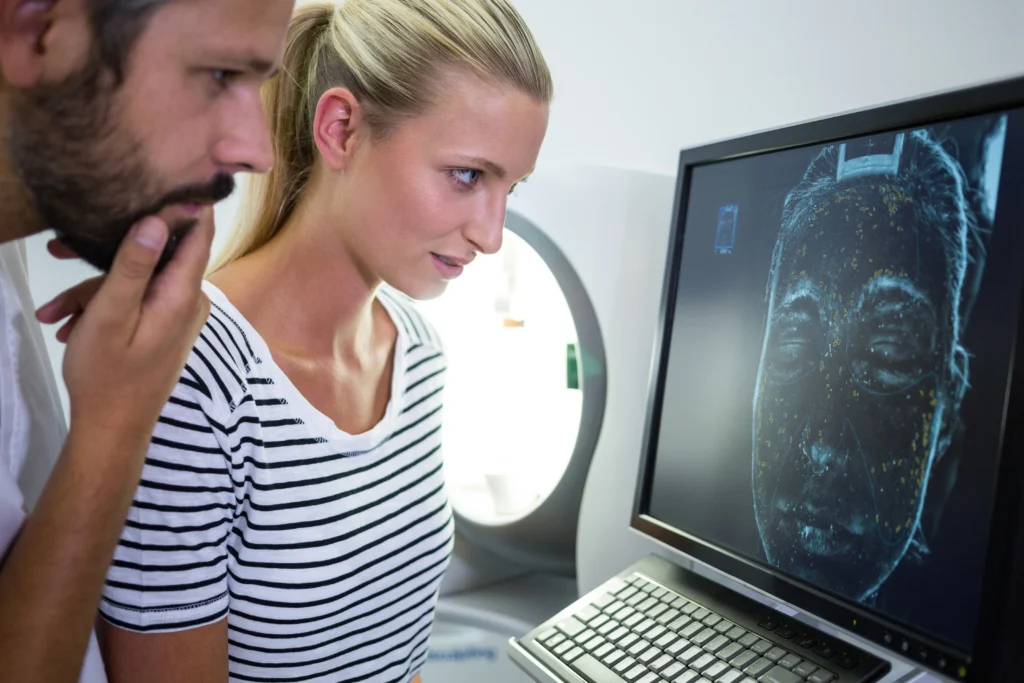
Traditional facial assessments rely on visual examination and manual measurements. Surgical planning technology powered by AI performs three-dimensional facial mapping with sub-millimeter accuracy, identifying:
- Facial asymmetries invisible to the human eye
- Proportional relationships between facial features
- Bone structure and soft tissue distribution
- Skin quality metrics including texture and elasticity
- Age-related volume loss patterns
This granular analysis enables surgeons to develop treatment plans addressing not just patient concerns but also underlying structural issues that impact overall facial harmony.
Predictive Outcome Modeling
One of the most powerful applications of AI facial plastic surgery is outcome simulation. Advanced algorithms can predict how specific surgical interventions will affect facial appearance, accounting for variables like tissue healing, aging progression, and individual anatomical characteristics.
Patients no longer need to imagine their results—they can see highly accurate visualizations before committing to surgery. This transparency improves communication between surgeon and patient while setting realistic expectations.
Customized Treatment Protocols
Every face is unique, and AI recognizes this fundamental truth. By analyzing a patient’s specific anatomy against databases of successful outcomes, artificial intelligence aesthetics systems recommend personalized surgical approaches rather than one-size-fits-all solutions.
The technology considers factors including ethnicity, gender, age, skin type, and personal aesthetic preferences to suggest procedures that will achieve natural-looking, balanced results aligned with the patient’s goals.
Benefits of AI-Powered Surgical Planning
Enhanced Accuracy and Safety
AI cosmetic surgery planning reduces surgical complications by identifying potential challenges before procedures begin. The technology maps vital structures like nerves and blood vessels, helping surgeons navigate complex facial anatomy with greater confidence and precision.
This preoperative intelligence translates to shorter surgery times, reduced tissue trauma, and faster recovery periods for patients.
Improved Patient Communication
Visual communication tools powered by AI bridge the gap between patient expectations and surgical reality. High-fidelity simulations allow patients to:
- Visualize multiple treatment options
- Understand the rationale behind surgical recommendations
- Make informed decisions based on predictive outcomes
- Align expectations with achievable results
This collaborative approach increases patient satisfaction and reduces postoperative concerns about results.
Data-Driven Decision Making
Surgeons using surgical planning technology benefit from access to aggregated outcome data from thousands of procedures. AI systems identify which techniques produce the best results for specific facial types, helping surgeons refine their approach based on proven success patterns rather than trial and error.
Long-Term Planning Capabilities
Advanced AI algorithms don’t just predict immediate surgical outcomes they model how faces will age over time. This allows surgeons to plan procedures that remain aesthetically pleasing for years, not just months, after surgery.
By accounting for aging patterns specific to the patient’s genetics and lifestyle, AI-assisted planning creates enduring results that evolve naturally with the patient.
AI Technologies Used in Facial Aesthetics
3D Imaging and Simulation
High-resolution 3D scanning combined with AI analysis creates detailed digital twins of patient faces. These models serve as foundations for surgical planning, allowing surgeons to manipulate facial structures virtually and preview results from every angle.
Machine Learning Algorithms
Artificial intelligence aesthetics platforms continuously learn from new surgical outcomes, refining their recommendations over time. As databases grow, predictions become increasingly accurate, benefiting both surgeons and patients with cutting-edge insights.
Facial Recognition and Mapping
Computer vision technology identifies facial landmarks with precision, measuring angles, distances, and proportions that define facial beauty. This objective analysis complements the surgeon’s subjective artistic judgment.
Neural Networks for Outcome Prediction
Deep learning neural networks trained on extensive before-and-after photo libraries can predict surgical outcomes with remarkable accuracy. These systems account for healing variables, tissue behavior, and individual patient characteristics that influence final results.
The Future of AI in Cosmetic Surgery
The innovation spotlight in facial plastic surgery increasingly focuses on AI integration. Emerging technologies promise even more sophisticated capabilities:
- Augmented reality visualization allowing patients to see potential results in real-time through mobile devices
- AI-assisted surgical robotics providing micro-precision during delicate procedures
- Personalized recovery protocols using AI to monitor healing and adjust postoperative care
- Virtual consultation platforms making expert surgical planning accessible regardless of geographic location
As AI facial plastic surgery tools become more sophisticated, they’ll enable increasingly personalized aesthetic medicine where every treatment plan is optimized for the individual patient’s anatomy, goals, and lifestyle.
How DrFace Can Help
At DrFace, we’ve integrated cutting-edge AI cosmetic surgery planning technology into our practice to deliver superior patient outcomes and experiences. Our comprehensive approach combines:
Advanced AI Surgical Planning
Our state-of-the-art surgical planning technology provides three-dimensional facial analysis, outcome simulation, and customized treatment recommendations for every patient. Before your consultation, AI algorithms analyze your facial structure to identify opportunities for enhancement and predict how different procedures will affect your appearance.
Expert Surgeon Collaboration
While AI provides data-driven insights, our experienced facial plastic surgeons bring artistic vision and medical expertise to every case. This collaboration between artificial intelligence and human skill creates treatment plans that are both scientifically sound and aesthetically exceptional.
Transparent Visualization
Using advanced artificial intelligence aesthetics simulation tools, we show you realistic visualizations of your potential results. This transparency ensures you understand exactly what to expect and feel confident in your surgical decisions.
Personalized Treatment Approaches
Our AI-enhanced analysis considers your unique facial anatomy, aesthetic goals, skin quality, and aging patterns to recommend procedures specifically suited to you—not generic solutions applied to everyone.
Ongoing Outcome Monitoring
Our AI systems don’t stop working after your surgery. We use intelligent monitoring to track your healing progress, identify any concerns early, and optimize your recovery protocol for the best possible results.
Schedule Your Consultation Today
Discover how AI facial plastic surgery planning can transform your aesthetic journey. At DrFace, we combine technological innovation with surgical artistry to deliver natural, beautiful results tailored specifically to you.
During your consultation, you’ll experience:
- Comprehensive AI-powered facial analysis
- High-definition outcome simulations
- Personalized treatment recommendations
- Transparent discussion of your options and expected results
- Answers to all your questions from our expert team
Don’t settle for outdated surgical planning methods. Experience the precision and confidence that comes with AI-enhanced aesthetic medicine.
Contact DrFace today to schedule your consultation and take the first step toward achieving your aesthetic goals with the most advanced technology in facial plastic surgery.
Frequently Asked Questions
Is AI-assisted facial plastic surgery safe?
Yes, AI enhances safety by providing surgeons with detailed anatomical mapping and identifying potential complications before surgery. The technology assists surgeons but doesn’t replace their expertise and judgment.
How accurate are AI outcome predictions?
Modern AI systems achieve remarkable accuracy in outcome prediction, typically within 90-95% accuracy for well-established procedures. However, individual healing responses can vary, so predictions serve as highly educated estimates rather than guarantees.
Does AI make surgery more expensive?
While AI technology requires initial investment, many practices find it improves efficiency without significantly increasing patient costs. The enhanced accuracy and reduced complication rates often provide better value for patients.
Can AI choose my surgical plan without the surgeon?
No. AI provides data-driven recommendations and analysis, but your surgeon makes all final decisions based on their medical expertise, artistic vision, and your specific goals. Think of AI as a highly sophisticated tool that enhances the surgeon’s capabilities.
How long does an AI-assisted consultation take?
AI analysis happens quickly, but comprehensive consultations typically last 45-60 minutes to ensure thorough discussion of your goals, AI findings, treatment options, and expected outcomes.
Will my results look natural with AI planning?
AI-assisted planning actually increases the likelihood of natural-looking results by ensuring proper facial proportions, symmetry, and harmony. The technology helps avoid overcorrection and maintains your unique facial characteristics.
What if I don’t like the AI simulation?
Simulations are starting points for discussion, not final decisions. Your surgeon can adjust recommendations based on your feedback, exploring multiple options until you’re comfortable with the planned approach.
Is AI facial analysis covered by insurance?
Most cosmetic procedures and related planning technology are not covered by insurance as they’re considered elective. However, if facial surgery addresses functional issues, some aspects may qualify for coverage.