Skin Tightening Without Surgery: What Are Your Options?
Introduction: The Non-Surgical Tightening Revolution
Skin laxity the looseness and sagging that develops as collagen and elastin degrade with age once required surgical intervention for meaningful improvement. Facelifts represented the only option for addressing moderate to significant tissue descent and loose skin. However, technological advances over the past two decades have created powerful non-surgical alternatives delivering impressive tightening without incisions, anesthesia, or extended recovery. These energy-based treatments work by heating deeper skin layers, triggering the body’s natural healing response and collagen production that gradually tightens and firms skin over months.
While non-surgical skin tightening cannot replicate surgical facelift results for advanced laxity, these treatments offer remarkable benefits for the right candidates those with mild to moderate skin looseness who desire improvement without surgical commitment. Moreover, non-surgical options work beautifully for maintaining surgical results, addressing early laxity before surgery becomes necessary, or providing alternatives for patients who cannot or prefer not to undergo surgery. Understanding the different technologies, their capabilities and limitations, and realistic expectations proves essential for determining whether non-surgical tightening suits your needs.
This comprehensive guide explores all major non-surgical skin tightening options available in 2026, how different technologies work and their unique benefits, realistic expectations for various treatment types, and how to determine which option best addresses your specific concerns. Whether you’re exploring alternatives to surgery, seeking early intervention, or simply learning about available options, this information empowers informed decisions about achieving firmer, more youthful skin without going under the knife.
Understanding Skin Laxity and Tightening Mechanisms
Why Skin Becomes Loose
Skin laxity develops through multiple age-related changes. Collagen and elastin proteins providing skin structure and elasticity gradually break down and decrease in production. Facial fat compartments atrophy and descend, removing structural support. Gravity continuously pulls tissues downward. Additionally, sun damage, smoking, genetics, and weight fluctuations all contribute to skin looseness over time.
Initially, this laxity appears subtle slight softening along jawline, minimal drooping at brows, or beginning jowl formation. As laxity progresses, changes become more pronounced with visible jowling, significant neck looseness, pronounced nasolabial folds from tissue descent, and overall sagging appearance. Understanding your laxity severity helps determine whether non-surgical treatments provide adequate correction or whether surgery becomes necessary.
How Non-Surgical Tightening Works
Most non-surgical skin tightening treatments use controlled heating of skin’s deeper layers (dermis and subdermal tissues) without damaging surface. This controlled thermal injury triggers several biological responses including immediate collagen fiber contraction creating some instant tightening, activation of wound healing responses, stimulation of new collagen and elastin production over months, and tissue remodeling that continues improving firmness over time.
Results appear gradually rather than immediately. Initial subtle improvement develops over weeks as healing begins, with progressive enhancement continuing for 3-6 months as new collagen forms. Peak results typically appear around 3-4 months post-treatment, with benefits lasting 12-24+ months depending on technology and individual response.
This biological mechanism means non-surgical tightening requires patience but delivers natural-looking improvement without surgical risks or recovery.
Major Non-Surgical Skin Tightening Technologies
Radiofrequency (RF) Treatment
Radiofrequency delivers controlled electromagnetic energy heating skin’s deeper layers while protecting the surface through cooling mechanisms. This selective heating stimulates collagen contraction and new collagen production, creating gradual skin tightening.
Popular RF devices:
- Thermage: Uses monopolar RF providing deep tissue heating. Single-treatment protocol with results developing over months. Known for treating face, neck, eyes, and body areas.
- Profound RF: Combines RF with microneedling for enhanced depth penetration and impressive tightening results.
- Morpheus8: Fractional RF delivered through microneedling creating both tightening and texture improvement.
RF treatment benefits:
- Treats multiple skin types safely
- Minimal to no downtime
- Gradual, natural-looking results
- Can treat face, neck, and body
- Results last 12-24+ months
Ideal candidates: Patients with mild to moderate laxity, good skin quality, and realistic expectations about gradual improvement rather than dramatic transformation.
Treatment experience: Most patients describe RF treatments as tolerable with warming or heating sensations. Topical numbing and cooling features manage discomfort. Treatment sessions typically last 30-90 minutes depending on areas treated.
Ultrasound Therapy (Ultherapy)
Ultherapy uses focused ultrasound energy penetrating to precise depths in skin and even reaching superficial muscular layer (SMAS)—the same layer addressed during surgical facelifts. This unique deep penetration creates lifting effects impossible with more superficial technologies.
How Ultherapy works: Ultrasound energy creates focused thermal injury points at specific depths, triggering robust collagen production and tissue contraction. The technology includes ultrasound imaging allowing practitioners to visualize tissue layers and precisely target treatment depths.
Ultherapy benefits:
- Deepest non-surgical penetration available
- Addresses same tissue layer as facelift
- FDA-cleared for lifting brows, neck, chin, and décolletage
- Single-treatment protocol
- Results last 12-24+ months
Ideal candidates: Patients with mild to moderate laxity who desire the most aggressive non-surgical option, especially for brow lifting or neck tightening.
Treatment experience: Ultherapy often involves more discomfort than other treatments due to deep energy penetration. Most patients receive oral pain medication and topical numbing. Treatment sessions last 60-90 minutes. Despite discomfort during treatment, no recovery period follows—you resume normal activities immediately.
Laser Skin Tightening
Certain laser technologies deliver thermal energy tightening skin while also improving texture and tone. While primarily known for resurfacing, some lasers provide excellent tightening benefits.
Tightening laser options:
- Fractional CO2 or Erbium lasers: Aggressive resurfacing that also creates significant tightening through deep thermal effect and wound healing response.
- Non-ablative fractional lasers: Gentler options providing moderate tightening with texture improvement and minimal downtime.
- Nd:YAG lasers: Longer wavelengths penetrating deeper for tightening with minimal surface impact.
Laser tightening benefits:
- Combines tightening with texture and tone improvement
- Versatile treatment options from aggressive to gentle
- Can target specific areas precisely
- Some treatments require minimal downtime
Ideal candidates: Patients wanting to address multiple concerns (laxity plus texture, pigmentation, or overall skin quality) in combined treatments.
Combination Treatments and Emerging Technologies
Many providers now use combination approaches maximizing results by addressing laxity through multiple mechanisms simultaneously.
Effective combinations:
- RF microneedling + traditional RF: Treats different depths comprehensively
- Ultrasound + RF: Combines deep SMAS-level lifting with broader dermal tightening
- Laser resurfacing + RF or ultrasound: Addresses surface concerns alongside deeper tightening
Emerging technologies: Research continues developing new skin tightening technologies including enhanced microfocused ultrasound, advanced RF configurations, electromagnetic technologies, and combination devices integrating multiple energy types. These innovations promise increasingly effective non-surgical options in coming years.
Realistic Expectations and Limitations
What Non-Surgical Tightening Can Achieve
When performed on appropriate candidates, non-surgical skin tightening delivers meaningful improvement including subtle to moderate lifting of brows, jawline, and neck, improvement in mild jowling and beginning marionette lines, firmer, more toned skin quality, reduced appearance of neck banding, and overall more youthful facial contours.
Results appear natural and gradual—people notice you look refreshed and rested rather than “done.” This subtlety appeals to patients wanting improvement without obvious intervention signals.
When Surgery Remains the Better Option
Honesty about non-surgical tightening limitations proves crucial for satisfaction. These treatments cannot address significant excess skin, dramatic jowling or tissue descent, severe neck laxity with prominent bands, or transformation-level changes in facial structure.
Attempting non-surgical treatment when surgery is genuinely needed often disappoints patients who invest significantly without achieving desired improvement. Quality providers assess honestly whether non-surgical options suit your laxity level or whether surgery would better serve your goals.
Managing Expectations
Most patients see 20-30% improvement in laxity—meaningful enhancement but not surgical-level transformation. Results develop gradually over months rather than appearing immediately. Some patients respond more dramatically than others based on individual biology. Additionally, results are temporary, requiring maintenance treatments every 12-24+ months.
Understanding these realities before treatment prevents disappointment and supports realistic satisfaction with outcomes appropriate for non-surgical intervention.
Choosing the Right Treatment
Factors Influencing Selection
Determining optimal non-surgical tightening involves considering laxity severity and location, skin type and thickness, pain tolerance and treatment comfort preferences, budget and maintenance commitment, and desired downtime levels.
Additionally, some technologies suit specific areas better. For example, Ultherapy excels for brow lifting and neck tightening due to deep penetration. RF treatments work beautifully for broader facial tightening and body areas. Laser options combine well when texture concerns accompany laxity.
The Consultation Process
Professional consultation proves essential for appropriate treatment selection. During consultation, providers should thoroughly assess your laxity type and severity, discuss realistic expectations for non-surgical options, recommend appropriate technologies for your concerns, explain treatment processes, timelines, and costs, and honestly communicate if surgery would better address your needs.
Quality providers never push treatments inappropriate for your situation. If you need surgery, ethical practitioners acknowledge this rather than promising unrealistic non-surgical results.
Treatment Process and Recovery
What to Expect During Treatment
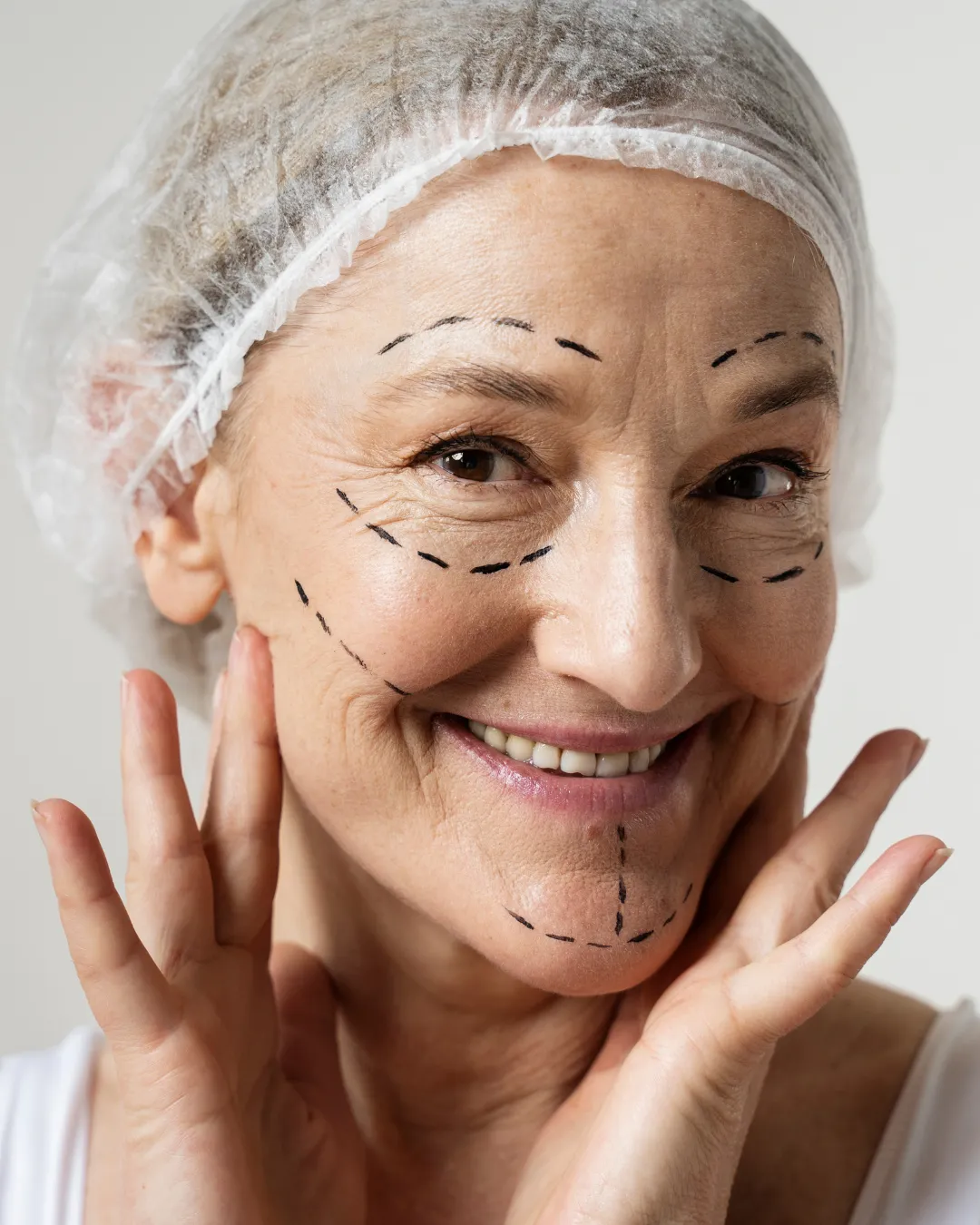
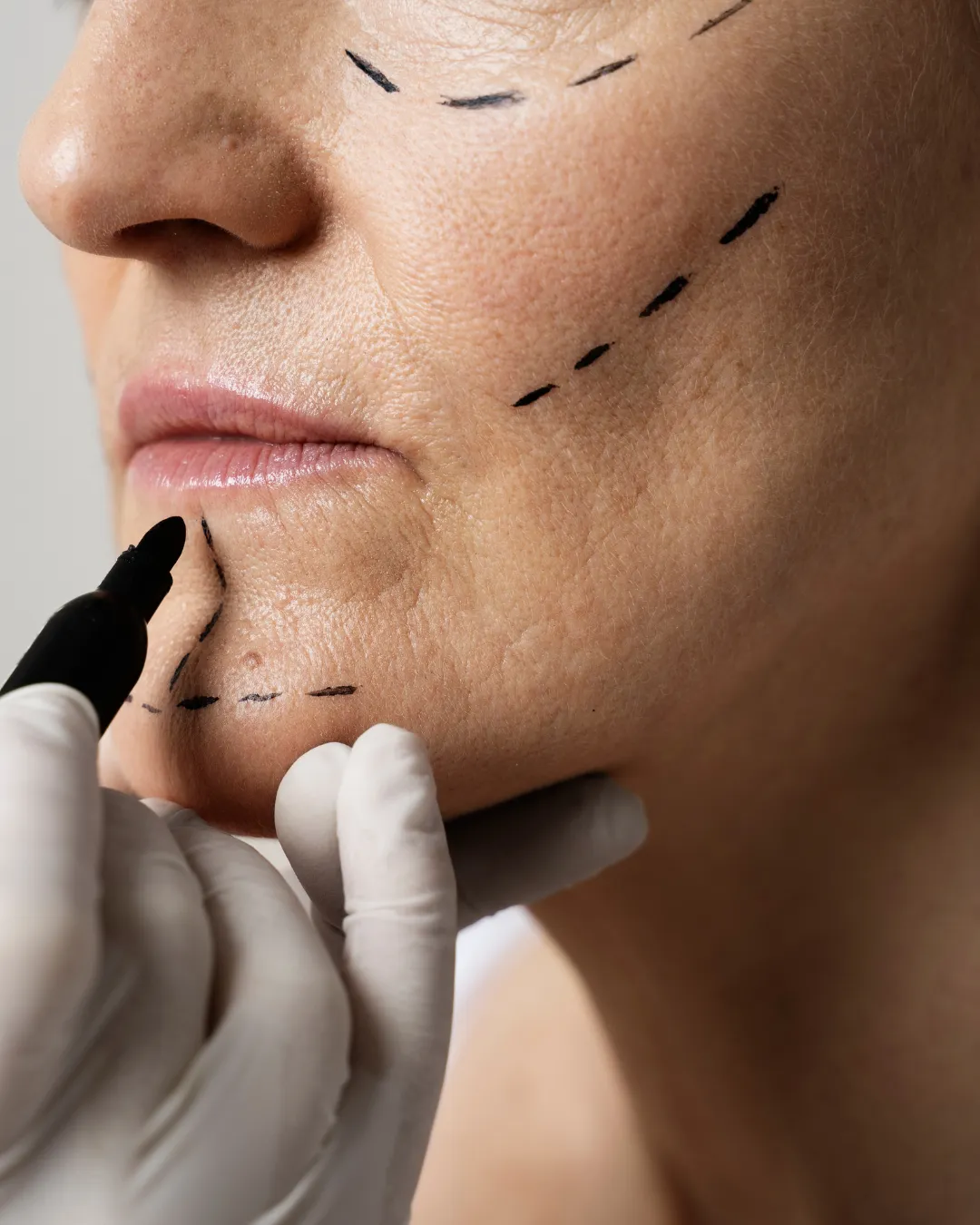
Most non-surgical tightening treatments follow similar protocols. Cleansing and marking treatment areas, application of ultrasound gel (for ultrasound or RF with cooling), topical numbing or oral pain medication if needed, systematic treatment of marked zones using device handpieces, and cooling or soothing applications post-treatment.
Treatment duration varies—30 minutes to 2 hours depending on technology and areas treated. Most procedures involve tolerable discomfort managed through numbing, cooling, and pain medication when necessary.
Recovery and Aftercare
One of non-surgical tightening’s greatest advantages involves minimal recovery. Most patients experience mild redness and swelling for 24-48 hours, possible tenderness or sensitivity for several days, rare bruising or numbness that resolves within days to weeks, and ability to resume normal activities immediately or within days.
Aftercare typically includes gentle skincare for several days, sun protection as skin may be temporarily more photosensitive, and avoiding extreme heat exposure for first week. Otherwise, minimal restrictions apply.
Results Timeline
Understanding results development timeline prevents anxiety. Immediate subtle tightening from collagen contraction may be visible, but progressive improvement develops over weeks as healing responses activate. Most noticeable changes appear 2-3 months post-treatment as new collagen forms. Peak results typically occur 3-6 months post-treatment with benefits lasting 12-24+ months before maintenance becomes necessary.
This gradual improvement means patience proves essential but creates natural-looking enhancement that others perceive as general improvement rather than sudden intervention.
Maximizing and Maintaining Results
Supporting Optimal Outcomes
While treatment delivers primary results, lifestyle and skincare support optimal outcomes. Excellent sun protection prevents UV damage undermining improvements. Medical-grade skincare with retinoids and antioxidants supports collagen health. Adequate hydration and nutrition provide building blocks for new collagen. Additionally, avoiding smoking preserves treatment benefits.
Some providers recommend complementary treatments. Strategic Botox prevents dynamic wrinkles while skin tightens. Fillers restore volume enhancing overall rejuvenation. Quality skincare treatments maintain skin health between tightening sessions.
Maintenance Strategy
Non-surgical tightening isn’t permanent the natural aging process continues. Most patients pursue maintenance treatments every 12-24 months sustaining results. Some find that consistent maintenance means needing less aggressive retreatment than allowing complete result loss.
Planning realistic maintenance schedule and budget ensures you can sustain improvements long-term rather than achieving temporary results you cannot maintain.
How DrFace Can Help
At DrFace, we offer comprehensive non-surgical skin tightening options and honest guidance about which treatments best address your specific laxity. Our approach includes thorough assessment determining laxity severity and appropriate treatment options, honest discussion about realistic expectations and limitations, access to multiple technologies allowing customized treatment selection, expert technique ensuring optimal results and safety, and ongoing support including maintenance planning.
Furthermore, our experienced team never promises unrealistic outcomes. If we assess that surgery would better serve your goals, we communicate this honestly even though it means referring you for surgical consultation. Your satisfaction matters more than our procedure revenue.
We also understand that non-surgical tightening represents significant investment. We help you make informed decisions ensuring treatments align with your goals, budget, and realistic outcome expectations. Our commitment involves your genuine satisfaction, not maximizing treatment sales.
Frequently Asked Questions
How do I know if I’m a candidate for non-surgical skin tightening?
Ideal candidates have mild to moderate skin laxity, good skin quality with some elasticity remaining, realistic expectations about gradual improvement, and preference for non-surgical approaches. If you can pinch skin and it bounces back somewhat, you likely have adequate elasticity. However, if skin remains loose after pinching or if you have significant excess skin, pronounced jowling, or dramatic sagging, surgery may be necessary for satisfactory results. Professional consultation determines candidacy accurately.
Does non-surgical skin tightening hurt?
Discomfort varies by technology and individual pain tolerance. RF treatments typically involve warming sensations most patients tolerate well with topical numbing. Ultherapy can be more uncomfortable due to deep energy penetration—most patients receive oral pain medication and numbing, rating discomfort as moderate but tolerable. Laser treatments vary from mild to moderate discomfort. Importantly, any discomfort occurs only during treatment—no painful recovery follows.
How long until I see results?
Results develop gradually over months. You may notice subtle immediate improvement from collagen contraction, but primary results emerge progressively over 2-6 months as new collagen forms. Most dramatic improvement appears around 3-4 months post-treatment. This gradual timeline requires patience but creates natural-looking enhancement that doesn’t appear suddenly altered.
Can non-surgical tightening replace a facelift?
For significant laxity, no—surgery provides dramatically more comprehensive results. However, for mild to moderate laxity, non-surgical options deliver meaningful improvement without surgery’s commitment, recovery, and risks. Many patients use non-surgical treatments to delay surgery by years. Additionally, some patients combine treatments—using surgery for lower face and neck while non-surgical options address upper face or maintain results post-surgery.
How long do results last and what does maintenance involve?
Most non-surgical tightening results last 12-24+ months, varying by technology, individual aging rate, and lifestyle factors. As results gradually diminish, maintenance treatments restore improvements. Many patients schedule annual or biannual maintenance sustaining results long-term. Consistent maintenance often requires less aggressive retreatment than allowing complete result loss. Budget for ongoing maintenance ensuring sustainable long-term results.
Are there risks or side effects?
Non-surgical skin tightening proves very safe when performed by qualified providers. Most side effects are temporary—redness, swelling, tenderness, or rare bruising resolving within days to weeks. Serious complications remain rare but can include burns from improper device use (rare with experienced providers), temporary nerve effects causing numbness or weakness (usually resolving), and paradoxical fat loss in treated areas (very rare). Choosing experienced, properly trained providers minimizes risks.
Schedule Your Consultation Today
Determining whether non-surgical skin tightening suits your needs requires professional assessment and honest guidance. At DrFace, we help you understand your options, set realistic expectations, and choose treatments delivering genuine satisfaction.
Our consultations include comprehensive laxity assessment and candidacy evaluation, discussion of various technologies and which best address your concerns, realistic expectation setting about results and limitations, treatment process and timeline explanation, and honest communication even when it means recommending alternatives.
We recognize that skin tightening decisions involve significant investment and trust. We never promise unrealistic outcomes or push treatments inappropriate for your situation. Your genuine satisfaction and appropriate care matter more than our revenue.
Don’t navigate non-surgical tightening options without expert guidance distinguishing marketing hype from realistic outcomes. Schedule your consultation today and discover whether non-surgical skin tightening can deliver the improvement you desire or whether alternative approaches better serve your aesthetic goals.
Conclusion: Informed Choices for Firmer Skin
Non-surgical skin tightening technologies offer impressive options for addressing mild to moderate laxity without surgery’s commitment, recovery, or permanence. From radiofrequency’s versatile effectiveness to ultrasound’s deep penetration to combination approaches maximizing improvement, today’s treatment options provide meaningful enhancement for appropriate candidates. These technologies continue evolving, promising even more effective solutions in coming years.
However, success with non-surgical tightening requires realistic expectations, appropriate candidate selection, and understanding of both capabilities and limitations. When matched correctly to patient needs, these treatments deliver gratifying results natural-looking improvement that refreshes appearance without obvious intervention. When applied inappropriately to severe laxity better addressed surgically, they disappoint despite significant investment.
The key lies in honest assessment, informed decision-making, and partnership with providers who prioritize appropriate treatment over maximizing revenue. Non-surgical tightening represents one valuable tool in comprehensive facial rejuvenation neither universal solution nor ineffective gimmick, but legitimate option for right candidates seeking specific improvements.
At DrFace, we’re committed to helping you navigate these options honestly, choose treatments genuinely suited to your needs, and achieve realistic, satisfying results. Your aesthetic journey deserves expert guidance that honors your goals while respecting both treatments’ capabilities and limitations.
Your firmer, more youthful skin awaits through non-surgical technologies when appropriate, or alternative approaches when they better serve your needs. Experience the difference that honest guidance and expert care make. Choose DrFace for skin tightening solutions grounded in integrity, expertise, and unwavering commitment to your genuine satisfaction and beautiful results.