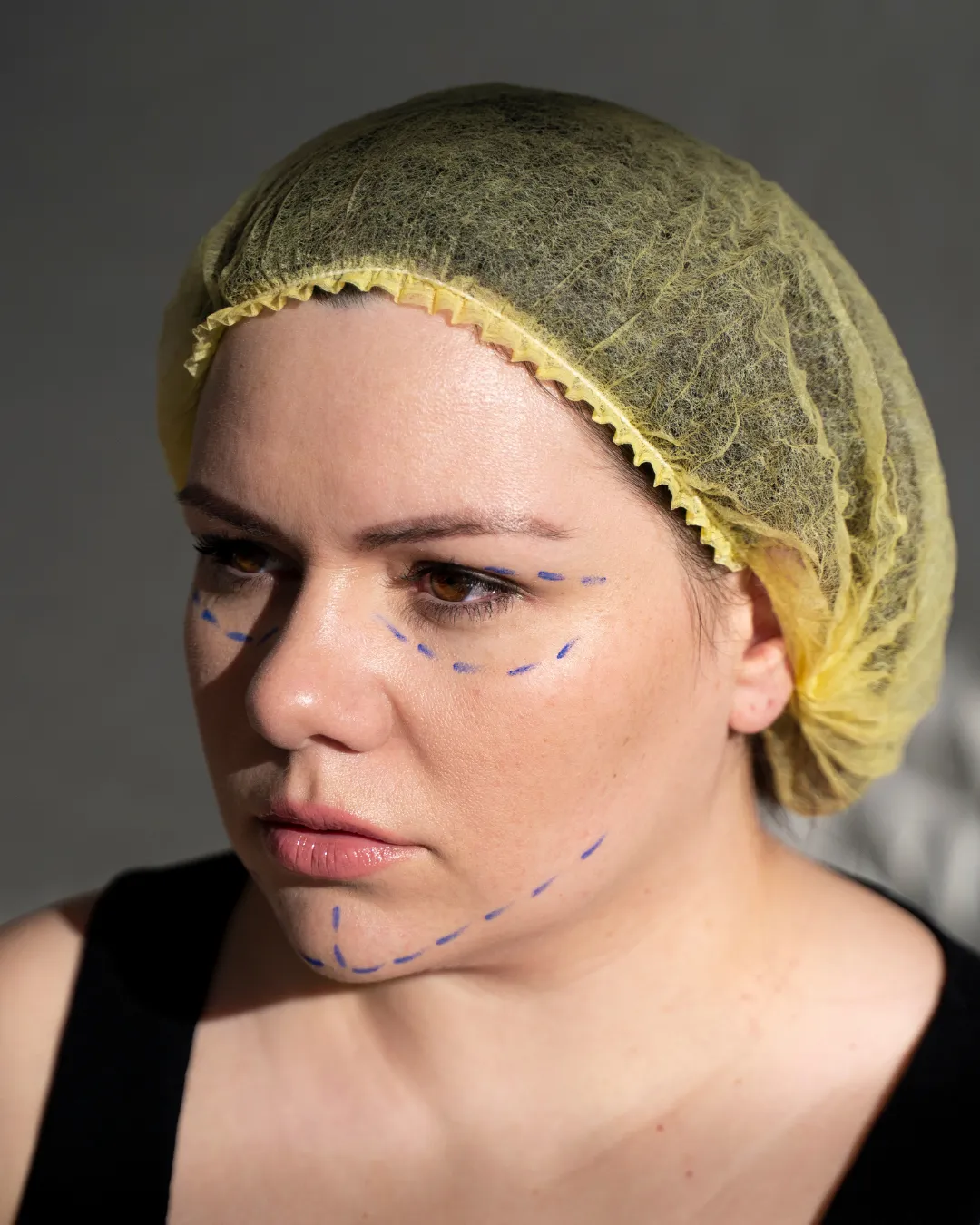
Questions to Ask Before Getting Botox or Fillers

Introduction: Knowledge is Your Best Protection
Scheduling your first Botox or filler appointment feels exciting—the promise of smoother skin, restored volume, or enhanced features becomes tangible. However, between initial excitement and actual injection, lies a crucial step many patients skip: asking the right questions. Too often, patients arrive for injectable treatments having researched products online but failing to verify provider qualifications, understand specific protocols, or clarify realistic expectations. This information gap creates vulnerability—leaving you unable to distinguish qualified practitioners from undertrained providers, appropriate treatment plans from excessive recommendations, or realistic outcomes from unrealistic promises.
The questions you ask (or don’t ask) before treatment directly impact your safety, satisfaction, and results. Comprehensive questioning serves multiple purposes: verifying provider credentials and experience, understanding specific products and techniques being used, setting realistic expectations about results and limitations, clarifying costs and what they include, and establishing informed consent through thorough understanding. Moreover, quality providers welcome thorough questioning—they recognize that informed patients make better candidates and achieve more satisfying outcomes. Conversely, providers who seem annoyed, dismissive, or evasive when answering questions often lack the expertise, transparency, or patient-centered philosophy you deserve.
This comprehensive guide provides the essential questions to ask before receiving Botox or dermal fillers, organized by category for systematic consultation preparation. Whether scheduling your first injectable appointment or seeking better results than previous experiences provided, these questions empower informed decision-making, help you distinguish quality providers from substandard practitioners, and ensure you understand exactly what you’re agreeing to before any injections occur. Your face deserves this protection through thorough questioning and complete understanding.
Questions About Your Injector’s Qualifications
Credentials and Training
Before anyone touches your face with a needle, verify their qualifications thoroughly:
“What are your credentials and medical training?” Look for medical doctors (MD or DO), nurse practitioners, or physician assistants with specialized aesthetic training. In some states, nurses can inject under physician supervision. Understand your injector’s professional background and ensure they possess appropriate medical credentials—not just “certification” from weekend courses.
“Are you board certified? In what specialty?” For physicians, board certification in dermatology, plastic surgery, or facial plastic surgery indicates comprehensive medical training. However, any physician can perform injectables regardless of specialty, so this question reveals their core medical expertise.
“How long have you been performing injectable treatments?” Experience matters tremendously. Someone who started injecting last month differs dramatically from practitioners with 10+ years of experience. Ask specific numbers—how many patients they’ve treated, how many years they’ve practiced.
“How many treatments like mine have you performed?” General injectable experience doesn’t guarantee expertise with your specific concern. If you want lip filler, ask about their lip filler experience specifically. If you’re addressing tear troughs, verify they’ve treated this challenging area extensively.
“Who will actually perform my injections?” Some practices have physicians consult but nurses or other staff inject. Others have physicians perform all treatments personally. Clarify who’s actually injecting you—and verify their qualifications specifically.
Experience and Specialization
“Do you specialize in facial aesthetics, or is this part of a broader practice?” Providers focusing primarily on facial aesthetics typically develop superior skills through concentrated practice. Those offering injectables among many other services may lack the specialized expertise and frequent practice producing optimal results.
“What percentage of your practice involves injectable treatments?” This reveals whether injectables represent their primary focus or occasional sideline. Higher percentages generally indicate more experience and refined techniques.
“Can I see before-and-after photos of patients you’ve treated?” Examine extensive galleries showing their actual work—not stock photos or other providers’ results. Look for natural-looking results, patients with similar concerns to yours, and consistent quality across many examples.
Questions About Products and Techniques
Understanding What’s Being Injected
“Which specific product do you recommend for my concerns, and why?” Dozens of Botox alternatives and filler brands exist, each with different characteristics. Understanding which specific product your injector recommends and their rationale demonstrates their knowledge and customization to your needs.
“Is this product FDA-approved for my treatment area?” Some products have FDA approval for specific uses but get used “off-label” for others. While off-label use can be appropriate, you deserve to know. For example, Botox has FDA approval for certain areas like crow’s feet and forehead lines but gets used off-label for others.
“How many units/syringes do you recommend?” Get specific numbers. For Botox, units matter (typical treatments range from 20-60 units for facial areas). For fillers, syringe counts matter (0.5-2 syringes commonly, depending on areas and desired enhancement). Understanding quantities helps you assess whether recommendations seem appropriate or excessive.
“Why do you recommend this amount?” Quality injectors explain their dosing rationale based on your muscle strength, treatment goals, and anatomy. Cookie-cutter recommendations (everyone gets the same amount) suggest less individualized approach.
“What brand of filler do you use, and why that specific type?” Different filler brands and formulations suit different areas and purposes. Knowing whether they’re using Juvederm, Restylane, Sculptra, or other brands—and why—reveals their product knowledge and strategic thinking.
Treatment Approach and Technique
“What technique do you use for injection?” Modern techniques like microdroplet injection, cannulas versus needles, and specific placement strategies affect results and comfort. While you may not understand technical details, asking demonstrates your engagement and reveals whether injectors use current best practices or outdated methods.
“Will you use numbing, and what kind?” Most providers offer topical numbing cream for comfort. Some use ice, vibration devices, or dental blocks for more invasive areas. Knowing pain management options helps you prepare mentally and physically.
“How do you determine the right placement for my facial structure?” Quality injectors customize placement based on your unique anatomy, facial proportions, and aging patterns—not generic protocols. This question reveals their individualized approach versus one-size-fits-all treatment.
Questions About Results and Expectations
Realistic Outcomes
“What results can I realistically expect?” Push for honest, specific answers—not vague promises. Quality providers describe realistic improvements while acknowledging limitations. Be wary of anyone guaranteeing specific outcomes or suggesting treatments will solve all concerns perfectly.
“What won’t this treatment address?” Understanding limitations proves as important as understanding benefits. Botox won’t fix static wrinkles or volume loss. Fillers won’t tighten significantly loose skin. Knowing what treatments cannot achieve prevents disappointment.
“How natural will results look?” If natural appearance matters to you, discuss this explicitly. Ask to see natural-looking examples in their portfolio. Clarify that you want enhancement, not obvious transformation.
“When will I see results, and how long will they last?” Botox takes 3-14 days to show full effects and lasts 3-4 months typically. Fillers show immediate volume with final results after swelling resolves (days to weeks) and last 6-18 months depending on product and placement. Knowing realistic timelines prevents anxiety about normal progression.
“What happens as results fade?” Understanding the gradual return to baseline helps you plan maintenance and prevents fear that sudden, dramatic changes will occur as treatments wear off.
Potential Issues
“What are the possible side effects and complications?” Every treatment carries risks. Common side effects include bruising, swelling, and tenderness. Rare but serious complications can occur. Providers should discuss both routine experiences and serious possibilities honestly.
“What if I’m not satisfied with my results?” For Botox, effects are temporary. For fillers, hyaluronidase can dissolve hyaluronic acid products if needed. Understanding revision options and policies provides peace of mind.
“Do you include touch-ups in the quoted price?” Some practices include free touch-ups within specific timeframes if results need adjustment. Others charge separately. Clarify what your payment includes.
Questions About Safety and Aftercare
Safety Protocols
“What safety precautions do you take?” Quality practices maintain sterile technique, use unopened products in your presence, and follow comprehensive safety protocols. Don’t hesitate to ask about infection prevention and emergency preparedness.
“What emergency equipment and protocols do you have on-site?” While serious complications remain rare, quality practices prepare for emergencies with appropriate medications, equipment, and training. Ask what they’d do if you had an allergic reaction or vascular complication.
“Are you familiar with managing complications specific to this treatment?” For example, if getting filler, ask if they keep hyaluronidase on-site for emergencies. For Botox, ask about their experience managing potential issues like brow ptosis (drooping).
Pre-Treatment Preparation
“What should I do to prepare for my appointment?” Common preparation includes avoiding blood-thinning medications and supplements (aspirin, ibuprofen, fish oil, vitamin E) for several days pre-treatment to minimize bruising. Some providers recommend arnica supplements. Clarify specific instructions.
“Are there any reasons I shouldn’t have this treatment?” Discuss medical conditions, medications, allergies, or other factors that might contraindicate treatment. Pregnancy, certain neurological conditions, or specific allergies may preclude some treatments.
“Should I schedule this treatment around any events or activities?” Knowing realistic downtime helps you plan appropriately. While most injectable treatments allow immediate return to activities, visible swelling or bruising might affect your comfort at important events within the first week.
Post-Treatment Care
“What should I expect after treatment?” Understand normal post-treatment experiences—swelling, tenderness, possible bruising—versus concerning symptoms requiring contact.
“What activities should I avoid after treatment, and for how long?” Common restrictions include avoiding intense exercise, excessive heat (saunas), alcohol, and certain medications temporarily post-treatment. Clarify specific recommendations.
“When should I contact you, and how?” Know what symptoms warrant immediate contact versus normal experiences. Ensure you have clear communication channels for questions or concerns during recovery.
“When is my follow-up appointment?” Quality practices schedule follow-up allowing assessment of results and any necessary adjustments.
Questions About Costs and Value
Pricing Transparency
“What is the total cost for the treatment you’re recommending?” Get comprehensive cost estimates—not just per-unit or per-syringe pricing that obscures total treatment costs.
“What does this price include?” Clarify whether quoted costs include consultation fees, numbing, touch-ups, or follow-up appointments. Hidden fees create unwelcome surprises.
“Do you offer payment plans or financing?” If costs exceed your immediate budget, understanding payment options helps with planning.
“How often will I need maintenance treatments?” Understanding long-term costs helps you budget realistically. If you need quarterly Botox at $500 per session, annual costs total $2,000. Factor ongoing maintenance into decision-making.
Value Assessment
“Why do your prices differ from other providers I’ve researched?” If prices seem unusually high or low compared to other practices, asking why reveals value factors—like premium products, extensive experience, or conversely, potential quality concerns if significantly cheaper.
“Are there package deals or loyalty programs?” Many practices offer discounts for multiple treatment areas or membership programs providing cost savings for regular patients.
Red Flags in Responses
Warning Signs to Watch For
Be cautious if your injector:
- Becomes defensive or annoyed by questions
- Provides vague or evasive answers
- Cannot clearly explain their credentials or experience
- Pressures immediate treatment without allowing question time
- Dismisses your concerns or minimizes risks
- Guarantees specific outcomes
- Recommends significantly more treatment than you requested without clear explanation
- Cannot show before-and-after photos of their actual work
- Offers prices dramatically lower than competitors without explanation
Quality providers welcome questions, answer thoroughly and honestly, and respect your need for complete information before proceeding.
How DrFace Can Help
At DrFace, we expect—and encourage—comprehensive questioning during consultations. We believe informed patients make better candidates and achieve more satisfying outcomes. Our consultations welcome detailed discussions covering our injectors’ credentials and extensive experience, specific products and techniques we recommend for your needs, realistic expectations about results and limitations, complete cost breakdowns with no hidden fees, and thorough safety protocols and aftercare instructions.
Furthermore, we never rush consultations or pressure decisions. We provide detailed information, answer every question thoroughly, and support your need to research, compare, and consider before proceeding. Your confidence and informed consent matter more than our appointment calendar.
We also provide written consultation summaries including treatment recommendations, estimated costs, expected results and timelines, and pre- and post-treatment instructions. This documentation allows you to review information at home and make well-considered decisions.
Frequently Asked Questions
Should I feel embarrassed asking so many questions?
Absolutely not. Quality providers respect and appreciate thorough questioning—it demonstrates your engagement and seriousness about making informed decisions. Providers who seem annoyed by questions likely lack the patience, transparency, or expertise you deserve. Never apologize for protecting yourself through comprehensive inquiry.
What if I forget to ask something during my consultation?
Contact the practice afterward with additional questions. Quality providers maintain accessible communication and welcome follow-up inquiries. Additionally, you can request a second consultation before proceeding if you need more discussion time. Never proceed with treatment while significant questions remain unanswered.
Can I bring a list of written questions to my consultation?
Yes! Many patients find written lists helpful for ensuring they address all concerns. Quality providers welcome organized patients who come prepared with questions. This demonstrates seriousness and allows efficient, thorough consultation discussions.
What if the injector cannot answer my questions adequately?
If an injector cannot clearly explain their credentials, experience, techniques, or recommendations, this raises serious concerns about their expertise and transparency. Consider consulting other providers who can answer your questions thoroughly and confidently. Your treatment deserves practitioners who demonstrate knowledge through comprehensive, clear responses.
How do I know if I’m asking the right questions?
The questions provided in this guide cover essential topics every patient should address. However, trust your instincts—if you have concerns or curiosities beyond these questions, ask them. Your personal concerns matter, and quality providers welcome addressing them regardless of whether they appear on “standard” question lists.
What if asking questions makes me seem difficult or demanding?
Quality providers never view informed patients as “difficult”—they recognize that thorough questioning reflects appropriate caution and engagement. If providers seem to view your questions negatively, this reveals problematic attitudes about patient autonomy and informed consent. Choose providers who welcome your questions enthusiastically rather than tolerating them grudgingly.
Schedule Your Consultation Today
Asking the right questions begins with consulting providers who welcome comprehensive inquiry and provide honest, thorough answers. At DrFace, we believe your questions reveal your commitment to informed decision-making something we deeply respect and actively support.
Our consultations provide ample time for detailed discussions addressing provider qualifications and experience, product selection and techniques, realistic expectations and outcomes, comprehensive costs and value, and thorough safety protocols and aftercare.
We recognize that your willingness to ask questions protects your safety and supports satisfying outcomes. We never view inquiry as burden—we consider it essential component of excellent patient care and successful treatment relationships.
Don’t proceed with Botox or fillers without complete information supporting confident, informed decisions. Schedule your consultation today and discover how DrFace’s transparent, patient-centered approach welcomes your questions, respects your need for comprehensive information, and supports decision-making grounded in knowledge rather than assumptions, marketing, or pressure.
Conclusion: Empower Yourself Through Inquiry
The questions you ask before receiving Botox or fillers directly impact your safety, satisfaction, and outcomes. Comprehensive questioning distinguishes qualified practitioners from undertrained providers, appropriate treatment plans from excessive recommendations, and realistic expectations from unrealistic promises. While researching products and procedures online provides valuable background, nothing replaces direct inquiry during consultations asking about specific credentials, techniques, products, and protocols relevant to your individual treatment.
Moreover, how providers respond to your questions reveals as much as the answers themselves. Quality injectors welcome thorough questioning, answer honestly and comprehensively, and respect your autonomy in decision-making. Providers who seem annoyed, evasive, or dismissive about questions often lack the expertise, transparency, or patient-centered philosophy essential for excellent care. Your comfort asking questions and satisfaction with responses should significantly influence provider selection.
The comprehensive question framework presented here empowers you to evaluate providers objectively, understand exactly what you’re agreeing to, set realistic expectations, and identify red flags indicating substandard care. While you may not need every question for every consultation, having this framework ensures you address essential topics protecting your safety and supporting satisfying outcomes.
At DrFace, we believe patient education through comprehensive questioning represents fundamental patient right and essential component of ethical aesthetic care. We welcome your questions, respect your need for complete information, and support decision-making grounded in knowledge rather than pressure or assumptions. Your injectable journey deserves this foundation of informed understanding.
Your face deserves protection through thorough questioning, complete information, and confident decision-making. Don’t proceed with any injectable treatment until every question receives satisfying answers and you feel completely comfortable with your provider, treatment plan, and realistic expectations. Experience the difference that patient-centered care makes—where questions receive enthusiastic welcome, information flows transparently, and your informed consent matters more than our appointment revenue. Choose DrFace for injectable treatments supported by comprehensive patient education, honest communication, and unwavering respect for your right to complete information before any treatment begins.