
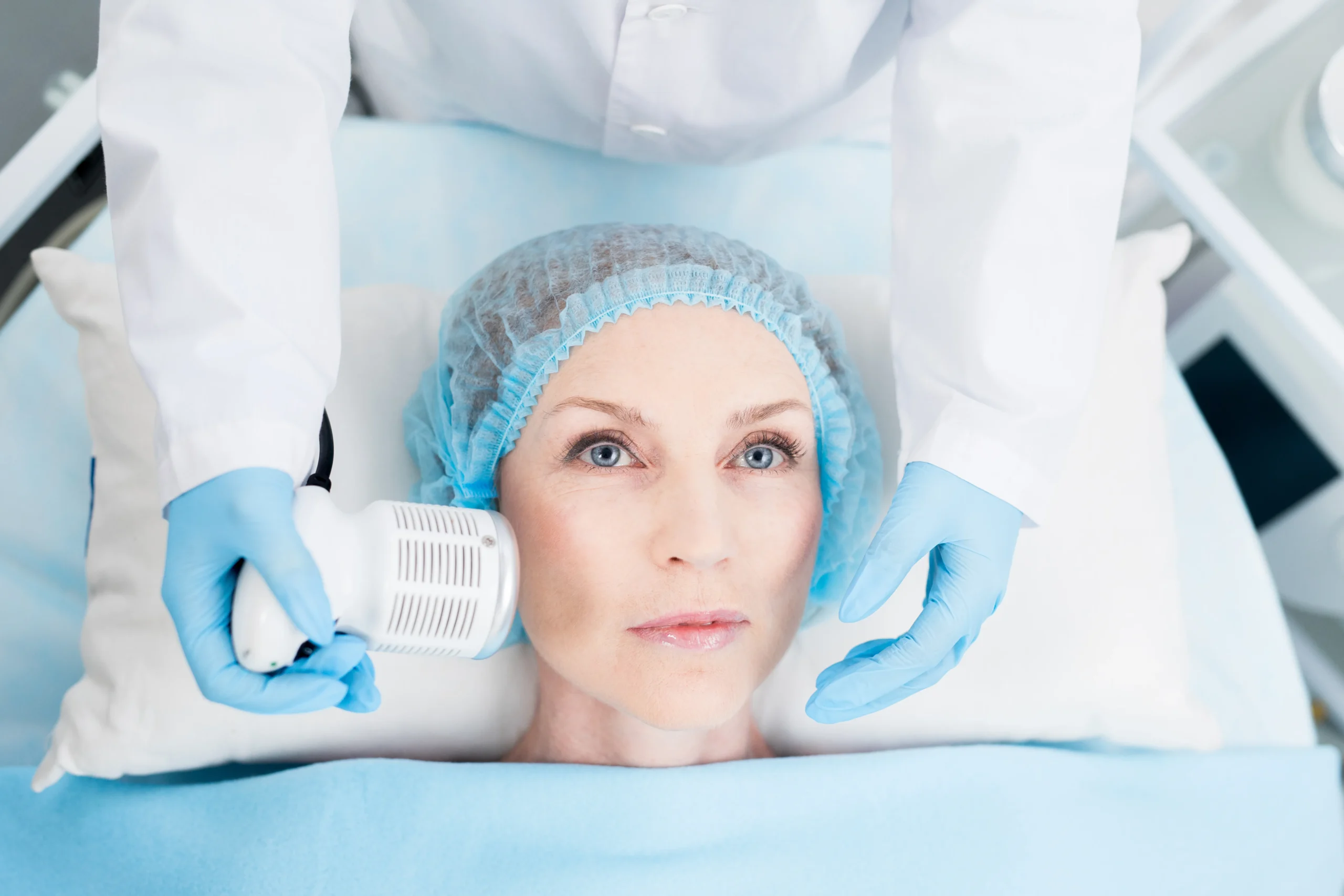
Headlines about a deep plane facelift recovery that may be up to 30% faster are getting attention because they speak to one of the biggest patient concerns: downtime. Patients want natural facial rejuvenation, but they also want to know when swelling improves, when bruising fades, when they can return to work, and when they will feel comfortable being seen again.
The important detail is that “faster recovery” is not a single universal promise. It can refer to less visible bruising, earlier social confidence, improved comfort, or a smoother early healing period. For patients considering a facelift, the news is useful, but only when it is understood with the right context: technique matters, anatomy matters, and aftercare matters.
Why This Deep Plane Facelift News Matters
The deep plane facelift has become one of the most discussed facial rejuvenation techniques because it works below the superficial skin layer. Instead of relying on skin tension, the technique repositions deeper facial support structures so the face can look refreshed without the tight or pulled appearance many patients fear.
Recent discussion around faster recovery reflects a broader shift in facial plastic surgery. Surgeons are refining how the deep tissues are released, how the skin is handled, how the neck is addressed, and how patients are guided through the earliest healing period. A recent Aesthetic Surgery Journal study indexed on PubMed compared deep plane and extended deep plane facelift methods and found both approaches effective, with the extended technique showing stronger correction of jowling, marionette lines, and neck laxity without major complications in that study population.
That does not mean every patient will heal 30% faster. It means the field is moving toward more anatomy-based planning, more precise tissue handling, and more realistic recovery support.
What “30% Faster Recovery” May Actually Mean
When patients hear a number like 30%, the first question should be: 30% faster than what? A shorter bruising period is different from a shorter swelling period. Returning to desk work is different from feeling photo-ready. A patient may feel comfortable seeing close friends before they feel ready for professional photos or major events.
In practical terms, faster recovery may mean a patient reaches certain milestones earlier: less visible bruising, reduced swelling, improved comfort, or a smoother return to normal routines. However, facelift recovery still happens in stages. The face needs time for swelling to settle, incisions to mature, and deeper tissues to soften into their new position.
This is why DrFace approaches recovery as part of the surgical plan, not as an afterthought. A beautiful result depends on what happens in the operating room and how carefully the patient heals afterward.
Why Deep Plane Technique Can Support Natural Results
A traditional skin-tension approach can sometimes create a smoother face at the expense of natural movement. The skin may look tight, but the deeper cause of aging may remain. The deep plane approach is different because it addresses deeper support structures and retaining ligaments that contribute to jowls, lower-face heaviness, midface descent, and neck laxity.
By placing less reliance on pulling the skin, the surgeon can often create a more natural redrape. That is especially important for patients who want to look rested rather than surgically altered. It also explains why deep plane facelift conversations often overlap with neck refinement, jawline definition, and facial balance.
For some patients, facial balance may also involve complementary planning. A subtle chin implant, carefully selected skin treatments, or later maintenance with conservative injectables may support the overall result. The right plan depends on anatomy, not trends.
Recovery Still Requires Real Downtime
Even with improved techniques, a facelift is still surgery. Patients should expect swelling, bruising, tightness, temporary numbness, incision care, and activity restrictions. The first week is usually the most delicate period. The second week is often when patients begin to feel more comfortable, but visible swelling can still be present.
Many patients plan social downtime before returning to work or public events. Strenuous activity should wait until the surgical team gives clearance. Patients should also avoid judging their final result too early, because swelling can temporarily distort the shape of the face and neck.
The best recovery is not necessarily the fastest possible recovery. It is a safe, steady recovery that protects the result.
What Patients Should Ask During Consultation
Patients interested in deep plane facelift recovery should ask specific questions, not just general ones. How are the deeper tissues supported? How is skin tension minimized? How is the neck addressed? How are incisions planned? What is the expected social downtime for their anatomy and procedure combination?
It is also reasonable to ask how the practice supports patients after surgery. Follow-up visits, incision guidance, swelling management, and clear instructions can make recovery feel less uncertain. Faster recovery claims are only meaningful when the patient understands the actual milestones and limitations.
How DrFace Frames the News
At DrFace, the most useful takeaway is not that every patient should expect a fixed percentage improvement in recovery time. The better takeaway is that modern facial rejuvenation is becoming more precise. A deep plane facelift should be planned around the patient’s facial structure, skin quality, neck anatomy, lifestyle, and tolerance for downtime.
Puneet’s Persona A perspective is simple: patients do not need hype. They need clarity. A strong facelift plan should explain what the technique can do, what it cannot do, how recovery usually unfolds, and how the surgeon protects a natural result.
What This Means for Orange County Patients
For Orange County patients comparing facelift options, this news is a reminder to look beyond buzzwords. The phrase “deep plane” is important, but it is not enough by itself. Surgeon experience, aesthetic judgment, patient selection, and recovery planning all shape the final outcome.
Patients who are also considering non-surgical maintenance should discuss timing carefully. Treatments such as Botox, Juvederm, or Voluma may be useful for selected concerns, but they do not replace a facelift when deeper laxity is the main issue.
The most reliable next step is a consultation that compares options honestly and builds a plan around the patient’s face, goals, and schedule.
FAQs
Does a deep plane facelift really recover 30% faster?
Not for every patient. A 30% faster recovery claim may refer to specific visible milestones, such as bruising or social readiness, rather than complete healing. Individual recovery depends on anatomy, technique, health, and aftercare.
Is deep plane facelift recovery easier than a traditional facelift?
Recovery is different, not automatically easier. Deep plane surgery works in deeper tissue layers, but precise technique and reduced skin tension may support a smoother-looking recovery for selected patients.
How long should I plan for facelift downtime?
Many patients plan at least one to two weeks of social downtime, with continued improvement over several weeks. Your surgeon should provide a timeline based on your exact procedure and health history.
Will faster recovery affect the final facelift result?
The goal is not to rush healing. The goal is to reduce unnecessary trauma, support healthy recovery, and protect a natural result. Final contours still take time to settle.
How do I know if I am a candidate for a deep plane facelift?
Candidacy depends on facial anatomy, skin quality, neck laxity, medical history, and goals. A consultation can determine whether a deep plane facelift, another surgical approach, or a non-surgical plan is more appropriate.
Considering a deep plane facelift in Orange County? Schedule a personalized consultation with DrFace to discuss recovery expectations, natural results, and the safest plan for your anatomy. Contact DrFace today.