Facial Surgery Recovery Timeline: What to Expect Week by Week
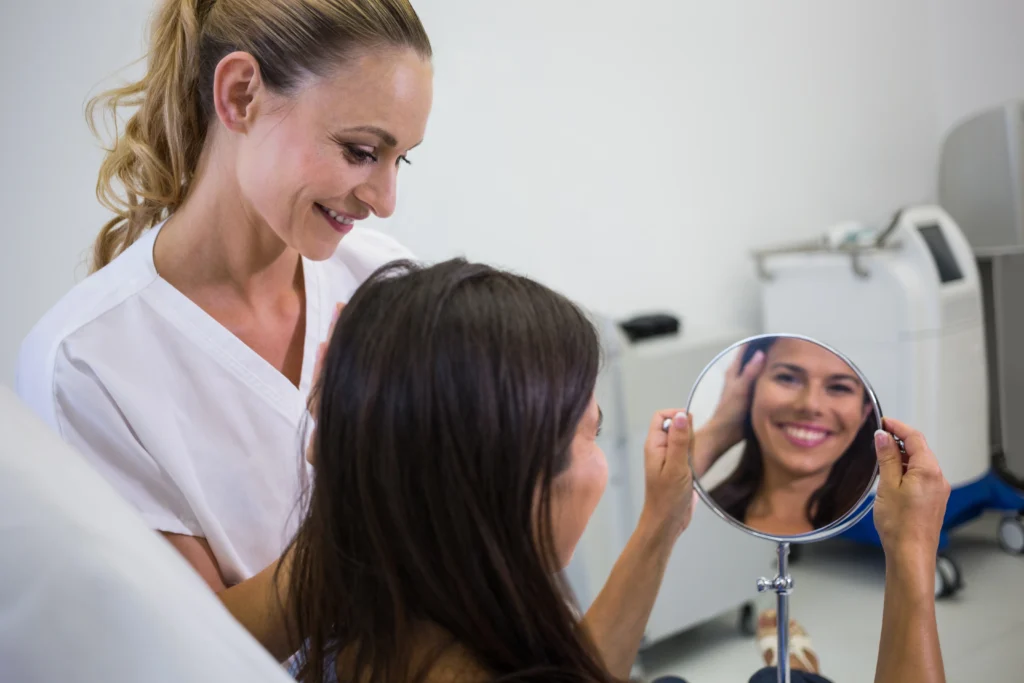
Making the decision to undergo facial plastic surgery represents a significant commitment to enhancing your appearance and confidence. Whether you’re considering a facelift, rhinoplasty, eyelid surgery, or another facial procedure, understanding your facial surgery recovery timeline helps you prepare mentally and physically for the journey ahead. This comprehensive guide walks you through the healing stages you’ll experience from the first day post-surgery through complete recovery.
Understanding Your Facial Surgery Recovery Timeline
Every patient’s recovery expectations differ based on the specific procedure performed, individual healing capacity, age, and overall health. However, facial plastic surgery recovery generally follows predictable recovery phases that allow you to plan your time off work, social commitments, and return to normal activities. The plastic surgery healing time varies considerably—while some patients feel presentable within two weeks, complete healing and final results may take several months to a full year.
The post-op milestones outlined below provide realistic expectations for what most patients experience during their recovery journey. Remember that your surgeon’s specific post-operative instructions should always take precedence over general guidelines.
Week 1: The Immediate Post-Operative Period
Days 1-3: Initial Recovery
The first 72 hours after facial surgery represent the most intensive phase of your recovery. During this critical period, you’ll experience the peak of swelling and bruising. Most patients describe feeling groggy from anesthesia, and discomfort is typically managed with prescribed pain medication.
What to expect:
- Significant swelling and bruising around the surgical sites
- Tightness or numbness in treated areas
- Drainage from incision sites (normal and expected)
- Need for head elevation, even while sleeping
- Limited facial movement and expressions
- Difficulty eating solid foods
Your surgeon will likely schedule a follow-up appointment within the first few days to check incisions, remove any drains if applicable, and ensure you’re healing properly. This is one of the most important healing stages as your body initiates its natural repair processes.
Days 4-7: Turning the Corner
By the end of the first week, most patients notice the swelling beginning to subside. While you won’t look “normal” yet, you’ll likely feel more comfortable and alert. Some sutures may be removed during this time, depending on your procedure.
Progress markers:
- Reduction in pain levels (often transitioning to over-the-counter pain relievers)
- Improved mobility and ability to perform basic self-care tasks
- Decreased drainage from incisions
- Ability to introduce soft foods into your diet
- First hair washing (if permitted by your surgeon)
This week establishes the foundation for successful healing, making adherence to post-operative instructions absolutely critical.
Week 2: Visible Improvement Begins
The second week brings noticeable changes in your appearance and comfort level. Many patients underestimate how much better they’ll feel compared to week one. This is when your facelift recovery stages (or other procedure-specific recovery) truly become apparent.
Significant improvements:
- Bruising transitions from deep purple to yellow-green (a positive sign of healing)
- Swelling reduces by approximately 50-60%
- Most remaining sutures are removed
- Return of facial sensations in some areas
- Ability to camouflage residual bruising with makeup (if surgeon approves)
- Clearance for light activities and short walks
While you’ll look considerably better than week one, you’re not quite ready for public events or professional settings. Most patients feel comfortable with close friends and family visits but still prefer privacy for social media and photographs.
Weeks 3-4: Re-entering Your Routine
The third and fourth weeks mark significant post-op milestones as you transition back toward normalcy. Many patients receive clearance to return to work (especially for desk jobs) and resume more social activities.
Recovery progress:
- Residual bruising usually resolved or easily concealed with makeup
- Swelling reduced to approximately 20-30% of initial levels
- Incision lines beginning to fade (though still pink or red)
- Increased energy levels and stamina
- Ability to sleep in your preferred position (with surgeon approval)
- Clearance for light cardiovascular exercise in many cases
You’ll start seeing glimpses of your final results during this period, though continued swelling may still obscure the full outcome. Patience during this phase proves essential—your face continues healing internally even when external signs diminish.
Weeks 5-8: The Two-Month Mark
By the second month, most patients feel they’ve fully returned to their regular lives. Your plastic surgery healing time has progressed substantially, and you’ll likely receive clearance for more vigorous activities.
Notable developments:
- Minimal residual swelling, primarily noticeable to you rather than others
- Incision lines continuing to fade and mature
- Numbness or altered sensations gradually improving
- Clearance for full exercise routines, including resistance training
- Permission to resume all normal skincare products and treatments
- Greater comfort with photographing and social media
This phase represents an exciting time as you begin truly enjoying your enhanced appearance. However, subtle changes continue occurring over the subsequent months as tissues settle and mature.
Months 3-6: Intermediate Healing Stages
During months three through six, the internal healing processes continue even though external changes become less obvious. Scar tissue softens, numbness resolves, and subtle improvements in contour emerge.
Ongoing refinement:
- Incision lines continue fading to fine white lines
- Complete resolution of swelling
- Full return of facial sensation (in most cases)
- Final contours becoming apparent
- Scar massage and treatments (as recommended by your surgeon)
This extended recovery phase reminds patients that facial plastic surgery results develop over time. The improvements you notice at three months will continue enhancing through the six-month mark and beyond.
Month 12: Final Results
Most facial plastic surgeons agree that final results become fully apparent around the one-year anniversary of surgery. By this point, all swelling has resolved, scars have matured, and tissues have completely settled into their permanent positions.
One-year achievements:
- Incision scars barely visible or completely concealed in natural creases
- Optimal facial contours and symmetry
- Complete sensory recovery
- Full appreciation of surgical improvements
- Ideal time for before-and-after photography comparisons
Understanding that your facial surgery recovery timeline extends a full year helps set realistic expectations and prevents discouragement during earlier phases when results still evolve.
Factors Affecting Your Recovery Timeline
Several variables influence how quickly you progress through these healing stages:
Individual factors:
- Age (younger patients typically heal faster)
- Overall health and nutrition status
- Smoking status (smokers experience significantly delayed healing)
- Genetic healing capacity
- Skin quality and elasticity
Procedure-specific factors:
- Extent and complexity of surgery
- Combination procedures versus single operations
- Revision versus primary surgery
- Surgical technique employed
Compliance factors:
- Adherence to post-operative instructions
- Adequate rest and recovery time
- Proper wound care and hygiene
- Attendance at follow-up appointments
- Avoidance of activities that increase swelling
Optimizing Your Recovery Success
Accelerating your healing and achieving optimal results requires active participation in your recovery:
Essential recovery practices:
- Keep your head elevated for the recommended duration
- Apply cold compresses as directed during the first week
- Take all prescribed medications on schedule
- Maintain gentle movement to prevent blood clots
- Stay hydrated and maintain proper nutrition
- Avoid alcohol, smoking, and blood-thinning supplements
- Protect incisions from sun exposure
- Attend all scheduled follow-up appointments
- Report any concerning symptoms immediately
Following your surgeon’s customized post-operative protocol significantly impacts your recovery expectations and final aesthetic outcome.
How DrFace Can Help
At DrFace, we understand that your facial surgery recovery timeline extends far beyond the operating room. Our comprehensive approach to facial plastic surgery includes detailed pre-operative education, personalized post-operative care protocols, and ongoing support throughout every phase of your healing journey.
Our experienced team provides:
- Customized recovery timelines specific to your procedure and individual factors
- 24/7 post-operative support for questions and concerns
- Detailed written and visual post-operative instructions
- Complimentary follow-up appointments throughout your first year
- Advanced recovery therapies to optimize healing and minimize downtime
- Expert scar management protocols for optimal aesthetic outcomes
We recognize that understanding your healing stages and post-op milestones empowers you to approach surgery with confidence. Our patient education process ensures you know exactly what to expect week by week, month by month, through complete recovery.
Frequently Asked Questions
When can I return to work after facial surgery?
Most patients return to desk jobs within 10-14 days after facial surgery, though this varies considerably based on the specific procedure performed and your healing progress. Physically demanding occupations may require three to four weeks off work. Your surgeon will provide personalized guidance based on your procedure and job requirements.
How long will I look bruised and swollen?
Significant bruising typically resolves within 10-14 days, though residual discoloration may persist for three weeks. Major swelling subsides within the first two weeks, but subtle swelling continues improving over six months. Most patients feel comfortable in public and professional settings by weeks 2-3 with makeup coverage.
What are signs of complications I should watch for?
Contact your surgeon immediately if you experience excessive bleeding, severe pain not controlled by prescribed medication, fever above 101°F, increasing redness or warmth around incisions, foul-smelling drainage, or significant asymmetry. While complications remain rare, early intervention prevents serious issues.
Can I speed up my recovery timeline?
While you cannot dramatically accelerate natural healing processes, optimizing your health before surgery, following all post-operative instructions precisely, avoiding smoking and alcohol, maintaining proper nutrition, getting adequate rest, and attending all follow-up appointments support the fastest possible recovery within your biological healing capacity.
When will I see my final results?
Initial results become apparent once major swelling subsides around weeks 3-4, but final results develop over 12 months as tissues settle, scars mature, and residual swelling completely resolves. Patience during the complete plastic surgery healing time ensures you appreciate the full extent of your surgical improvements.
Is numbness normal after facial surgery?
Temporary numbness around surgical sites is completely normal and expected as nerves require time to regenerate after surgery. Most sensation returns gradually over three to six months, with complete recovery typically achieved by the one-year mark. Persistent numbness beyond this timeframe should be discussed with your surgeon.
Schedule Your Consultation Today
Understanding your facial surgery recovery timeline represents an essential step in your aesthetic journey. At DrFace, we believe informed patients experience better outcomes and greater satisfaction with their results. Our comprehensive consultation process addresses your unique concerns, explains realistic recovery expectations, and develops a customized surgical plan aligned with your goals and lifestyle.
Don’t let uncertainty about the recovery process prevent you from pursuing the enhanced appearance you desire. Contact DrFace today to schedule your private consultation and discover how facial plastic surgery can help you look as vibrant and youthful as you feel. Our compassionate team looks forward to guiding you through every phase of your transformation, from initial consultation through complete recovery and beyond.