Facial Plastic Surgery FAQs Answered

Considering facial plastic surgery is a significant decision that naturally comes with many questions. Whether you’re exploring rhinoplasty, facelift options, or eyelid surgery, having clear, accurate answers to your patient questions helps you make informed choices about your aesthetic goals. This comprehensive guide addresses the most common cosmetic surgery questions we receive from prospective patients, providing expert insights to help you navigate your facial enhancement journey with confidence.
Understanding Facial Plastic Surgery: The Basics
What Exactly Is Facial Plastic Surgery?
Facial plastic surgery encompasses a range of specialized procedures designed to enhance, restore, or rejuvenate facial features. Unlike general cosmetic surgery, facial plastic surgery specifically focuses on the delicate structures of the face, head, and neck. These procedures can address aesthetic concerns, functional issues, or both, requiring the expertise of surgeons specially trained in facial anatomy and aesthetics.
Common facial plastic surgery procedures include rhinoplasty (nose reshaping), facelift (rhytidectomy), blepharoplasty (eyelid surgery), brow lift, chin augmentation, cheek enhancement, and otoplasty (ear surgery). Each procedure is customized to your unique facial structure and personal aesthetic goals.
How Do I Know If I’m a Good Candidate for Facial Plastic Surgery?
Good candidates for facial plastic surgery typically share several characteristics. First, you should be in good overall health without medical conditions that could impair healing or increase surgical risks. Realistic expectations about outcomes are essential—facial plastic surgery enhances your natural features rather than creating an entirely different appearance.
Non-smokers or those willing to quit smoking before and after surgery generally achieve better results and faster healing. Mental and emotional readiness is equally important; you should be pursuing surgery for yourself, not to meet someone else’s expectations. A comprehensive consultation with a qualified facial plastic surgeon will help determine your specific candidacy based on your goals, medical history, and facial anatomy.
What Age Is Best for Facial Plastic Surgery?
Age-related patient questions vary depending on the specific procedure. There’s no universal “perfect age” for facial plastic surgery. Rhinoplasty candidates should wait until facial growth completes, typically around age 15-17 for girls and 17-18 for boys. Facelift patients usually range from their 40s to 70s, though some seek mini-lifts in their 30s while others wait until their 60s or beyond.
The best time for facial plastic surgery is when you notice specific concerns bothering you and you’re physically and emotionally ready to address them. During your consultation, your surgeon evaluates your individual situation rather than relying solely on chronological age to determine optimal timing.
Common Patient Questions About Procedures
What’s the Difference Between a Facelift and Non-Surgical Treatments?
This is one of the most frequent cosmetic surgery questions we encounter. A facelift surgically addresses moderate to significant signs of aging by tightening underlying tissues, repositioning facial structures, and removing excess skin. Results typically last 10-15 years, providing dramatic, long-lasting improvement.
Non-surgical treatments like dermal fillers, Botox, and laser therapies offer temporary solutions for mild to moderate concerns. While these options require no downtime and cost less initially, results last only months to a few years, requiring ongoing maintenance. Many patients benefit from combining both approaches—surgical foundation with non-surgical maintenance for optimal, sustained results.
Which Facial Plastic Surgery Procedure Is Right for Me?
Selecting the appropriate procedure depends on your specific concerns and aesthetic goals. Rhinoplasty addresses nose size, shape, or breathing issues. Facelifts target sagging skin, jowls, and neck laxity. Blepharoplasty corrects drooping eyelids or under-eye bags. Brow lifts elevate forehead position and reduce frown lines.
Your facial plastic surgeon evaluates your facial anatomy, listens to your concerns, and recommends procedures most likely to achieve your desired outcomes. Sometimes combining multiple procedures during one surgical session provides the most harmonious, comprehensive results.
Can I Combine Multiple Facial Procedures?
Yes, combining procedures is common and often advantageous. Many patients undergo facelift with neck lift, brow lift with eyelid surgery, or rhinoplasty with chin augmentation simultaneously. Combining procedures offers several benefits including single recovery period, reduced overall costs compared to separate surgeries, and harmonious results addressing multiple concerns together.
Your surgeon considers your overall health, procedure complexity, and expected surgery duration when determining safe combinations. This comprehensive approach often delivers more balanced, natural-looking facial rejuvenation than addressing concerns individually over time.
Recovery and Healing Process
How Long Does Recovery Take After Facial Plastic Surgery?
Recovery timelines vary depending on the specific procedure performed. For rhinoplasty, expect initial swelling and bruising to subside within two weeks, though subtle swelling may persist for months. Most patients return to work within 7-10 days.
Facelift recovery typically involves 10-14 days before resuming most normal activities, with residual swelling diminishing over several weeks. Eyelid surgery patients often return to work within a week, as this procedure generally involves minimal downtime.
Chin or cheek augmentation recovery usually spans 5-7 days for initial healing. Regardless of the procedure, complete healing and final results become apparent over several months as tissues fully settle and swelling completely resolves.
What Can I Do to Speed Up Recovery?
Following your surgeon’s post-operative instructions precisely is crucial for optimal healing. Keep your head elevated, especially while sleeping, to minimize swelling. Apply cold compresses as directed during the first 48-72 hours. Avoid strenuous activities, heavy lifting, and bending over during initial recovery weeks.
Stay hydrated, eat nutritious foods rich in protein and vitamins, and avoid alcohol and smoking, which impair healing. Attend all follow-up appointments so your surgeon can monitor progress and address any concerns promptly. Patience is essential—allowing your body adequate time to heal produces the best long-term results.
Will I Experience Pain After Surgery?
Pain levels and discomfort are common concerns in facial plastic surgery FAQs. Most patients experience manageable discomfort rather than severe pain. Your surgeon prescribes appropriate pain medication for the initial recovery days. Many patients transition to over-the-counter pain relievers within a few days.
You’ll likely experience tightness, numbness, or unusual sensations as nerves heal. Swelling and bruising cause more aesthetic concern than actual pain for most patients. Communicating with your surgical team about discomfort levels ensures you receive appropriate support throughout recovery.
Will I Have Visible Scarring?
Scarring concerns top the list of facial plastic surgery FAQs. Expert facial plastic surgeons strategically place incisions in natural creases, hairlines, or inside the nose or mouth to minimize visible scarring. For example, facelift incisions are hidden within the hairline and around the ears, while rhinoplasty can often be performed with internal incisions only (closed rhinoplasty).
Your body’s natural healing ability, proper wound care, and following post-operative instructions significantly influence scarring. Most patients find that any residual scars fade substantially over time and remain virtually undetectable when healed. Advanced techniques and your surgeon’s skill level play crucial roles in minimizing visible scarring.
Safety and Risk Considerations
What Are the Risks Associated with Facial Plastic Surgery?
Addressing patient questions about risks demonstrates our commitment to transparency. Like all surgical procedures, facial plastic surgery carries inherent risks including infection, bleeding, adverse reactions to anesthesia, and scarring. Procedure-specific risks vary—for instance, rhinoplasty may involve breathing difficulties or asymmetry, while facelift risks include nerve injury or skin irregularities.
Selecting a board-certified facial plastic surgeon with extensive experience significantly reduces these risks. Your surgeon will discuss specific risks relevant to your chosen procedure during consultation, along with steps taken to minimize complications. Modern surgical techniques, sterile environments, and comprehensive pre-operative screening further enhance safety.
How Safe Is Facial Plastic Surgery?
Facial plastic surgery performed by board-certified surgeons in accredited facilities is generally very safe. Complication rates remain low, especially when patients follow pre-operative and post-operative instructions carefully. Advances in surgical techniques, anesthesia safety, and infection prevention have made facial procedures safer than ever.
Your comprehensive medical evaluation before surgery identifies any risk factors requiring special attention. Open communication with your surgeon about your complete medical history, current medications, and lifestyle factors helps ensure the safest possible surgical experience.
How Do I Choose the Right Facial Plastic Surgeon?
This critical question deserves careful consideration. Start by verifying board certification in facial plastic surgery or otolaryngology (ear, nose, and throat) with additional facial plastic surgery fellowship training. Review before-and-after photos of actual patients with similar concerns to assess consistent, natural-looking results.
Read patient reviews and testimonials to understand others’ experiences with the surgeon’s skill, bedside manner, and staff professionalism. Schedule consultations with multiple surgeons to compare approaches, communication styles, and comfort levels. Trust your instincts—you should feel heard, respected, and confident in your surgeon’s expertise.
What Questions Should I Ask During My Consultation?
Prepare for your consultation by listing specific cosmetic surgery questions. Ask about your surgeon’s credentials, training, and experience with your desired procedure. Inquire about how many similar procedures they’ve performed and request to see before-and-after photos of their actual patients.
Discuss realistic outcomes for your specific situation, detailed recovery expectations, and potential risks or complications. Ask about surgical facility accreditation, anesthesia type, and what happens if you’re unhappy with results. A quality surgeon welcomes your questions and provides thorough, honest answers.
Financial and Practical Considerations
How Much Does Facial Plastic Surgery Cost?
Cost is among the most common cosmetic surgery questions patients ask. Facial plastic surgery pricing varies widely based on procedure complexity, surgeon expertise, geographic location, and facility fees. Rhinoplasty typically ranges from $5,000-$15,000, while comprehensive facelifts may cost $10,000-$25,000 or more.
Remember that pricing should never be your sole decision factor. Extremely low prices may indicate inexperience or compromised safety standards. Most practices offer financing options through specialized medical credit companies, making procedures more accessible through manageable monthly payments. Your consultation will provide detailed pricing specific to your customized treatment plan.
What’s Included in the Surgical Cost?
Understanding what your quoted price includes helps avoid surprise expenses. Comprehensive pricing typically covers surgeon’s fees, anesthesia, facility or operating room fees, medical tests, post-surgery garments if needed, and follow-up appointments during initial recovery.
Some practices quote “all-inclusive” pricing while others itemize costs separately. Ask specifically about what’s included and any potential additional expenses. Revision surgery costs, if needed, should also be discussed upfront. Transparent pricing practices reflect a reputable, patient-focused practice.
Is Facial Plastic Surgery Covered by Insurance?
Generally, cosmetic facial plastic surgery performed solely for aesthetic enhancement isn’t covered by insurance. However, procedures addressing functional issues may qualify for partial or full coverage. For example, rhinoplasty correcting breathing problems caused by a deviated septum or reconstructive surgery following trauma or cancer removal may be covered.
Your facial plastic surgeon’s office can help determine potential insurance coverage and provide necessary documentation for claims. Even when insurance doesn’t cover the procedure itself, related medical appointments or complications may be covered under your policy.
Are Financing Options Available?
Most facial plastic surgery practices offer financing through specialized medical credit companies like CareCredit, Alphaeon Credit, or United Medical Credit. These programs provide flexible payment plans with various interest rates and term lengths, making procedures affordable through manageable monthly payments.
Some practices also accept major credit cards or offer in-house payment plans. Discuss financing options during your consultation to find solutions fitting your budget. Investing in your appearance and confidence becomes more accessible when quality care is financially manageable.
Results and Expectations
How Long Do Facial Plastic Surgery Results Last?
Longevity of results depends on the specific procedure and your individual factors. Structural changes from rhinoplasty, chin augmentation, or otoplasty are generally permanent, though natural aging continues. Facelift results typically last 10-15 years, with many patients maintaining significantly improved appearance even as some aging naturally occurs.
Blepharoplasty results often last 7-10 years for lower eyelids and longer for upper eyelids. Protecting your investment through proper skincare, sun protection, healthy lifestyle choices, and potentially non-surgical maintenance treatments helps extend your results maximally.
When Will I See My Final Results?
Understanding realistic timelines addresses important patient questions about outcomes. Initial swelling subsides within weeks, revealing significant improvement. However, subtle swelling can persist for months, especially in rhinoplasty where final results may take a full year to completely emerge.
Most patients see substantial improvement within 3-6 months post-surgery, with continued refinement over the following months. Your surgeon will schedule follow-up appointments to monitor healing and ensure results develop as expected. Patience during the healing process is crucial for appreciating your final, beautiful results.
Will My Results Look Natural?
Achieving natural-looking results is a primary goal of modern facial plastic surgery. Skilled surgeons enhance your existing features rather than creating an artificial or “operated” appearance. The goal is for people to notice you look refreshed and rejuvenated without being able to pinpoint you’ve had surgery.
Discuss your aesthetic preferences openly during consultation. Bring photos of results you admire and explain what appeals to you. Your surgeon’s artistic eye, combined with your input, creates a customized surgical plan delivering harmonious, natural-looking enhancement that preserves your unique identity.
What Happens If I’m Not Satisfied with My Results?
Reputable surgeons stand behind their work and want you completely satisfied. Minor revisions or touch-ups are sometimes necessary to achieve optimal results. Discuss revision policies during your initial consultation so you understand the surgeon’s approach to refinements if needed.
Most surgeons don’t charge additional surgical fees for minor revisions within a specified timeframe, though facility and anesthesia fees may apply. Clear communication about expectations before surgery and during healing significantly reduces dissatisfaction and ensures you achieve your desired outcomes.
Preparing for Surgery
How Should I Prepare for Facial Plastic Surgery?
Proper preparation optimizes surgical outcomes and recovery. Your surgeon provides specific pre-operative instructions including medication adjustments, stopping blood-thinning supplements, and arranging post-surgery care. Quit smoking at least 4-6 weeks before surgery to promote optimal healing.
Arrange transportation home after surgery and help during initial recovery days. Prepare your recovery space with extra pillows for elevation, easy-to-prepare meals, and entertainment for downtime. Fill prescriptions beforehand so medications are ready when needed. Mental preparation through realistic expectations and positive mindset supports successful outcomes.
What Should I Expect on Surgery Day?
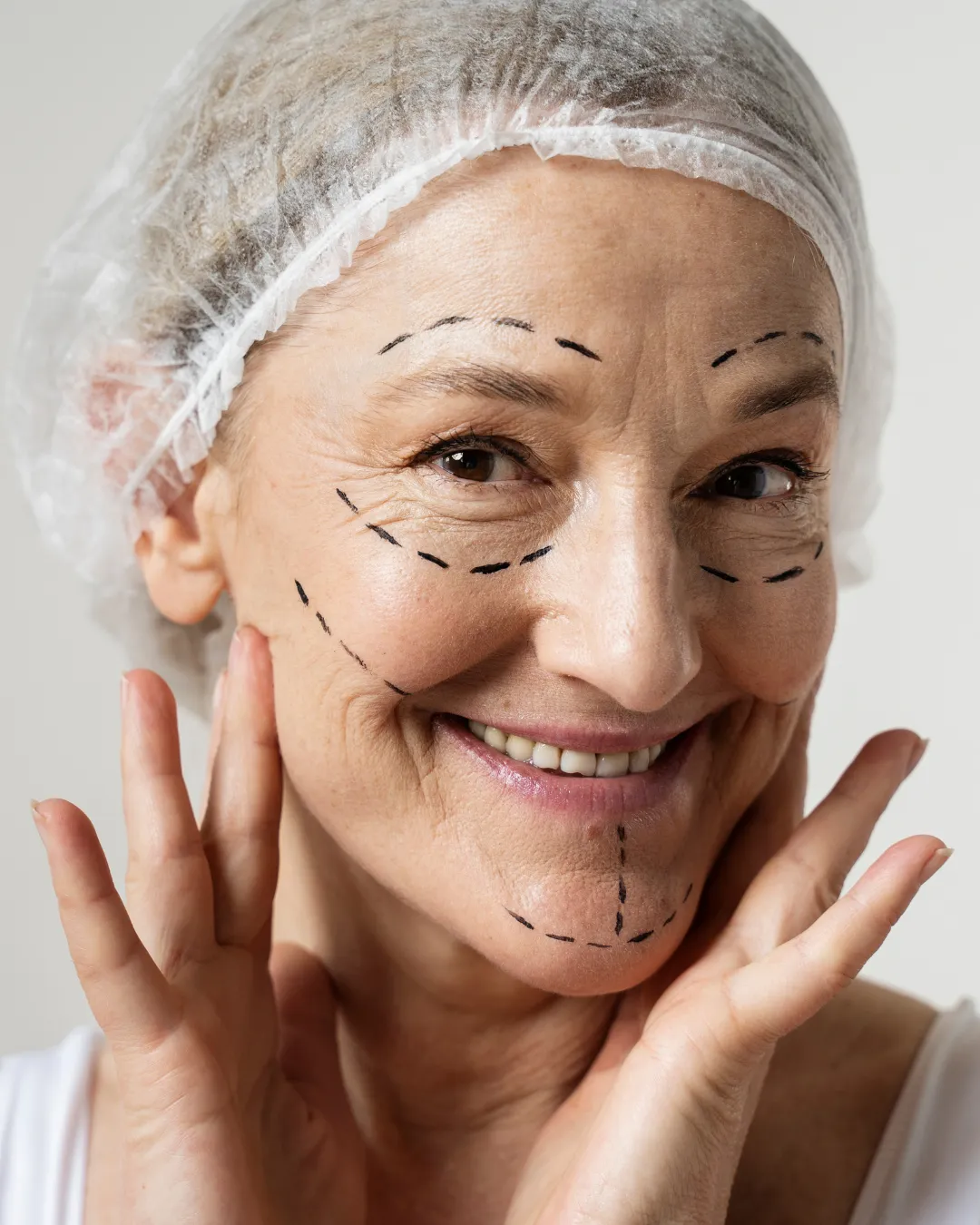
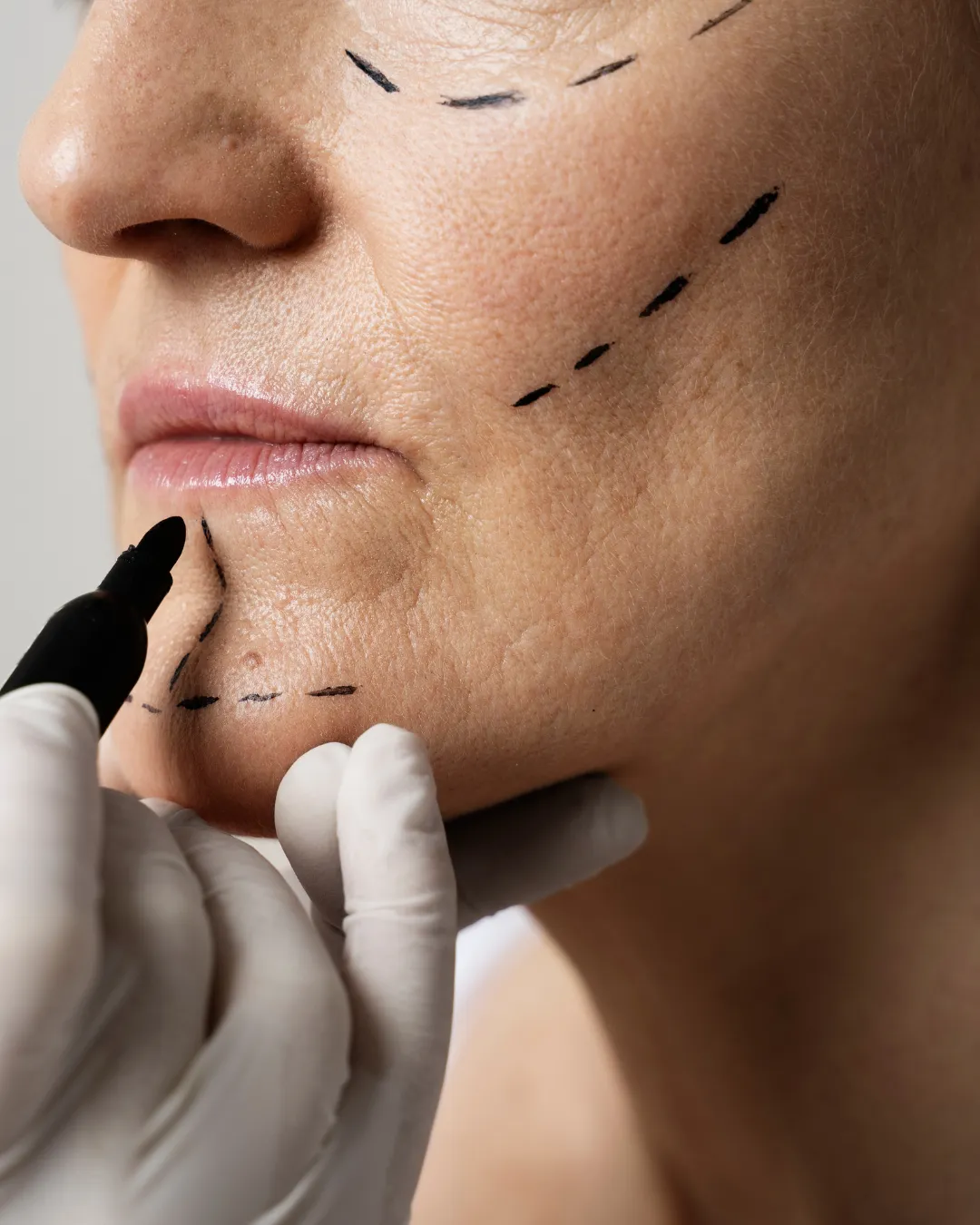
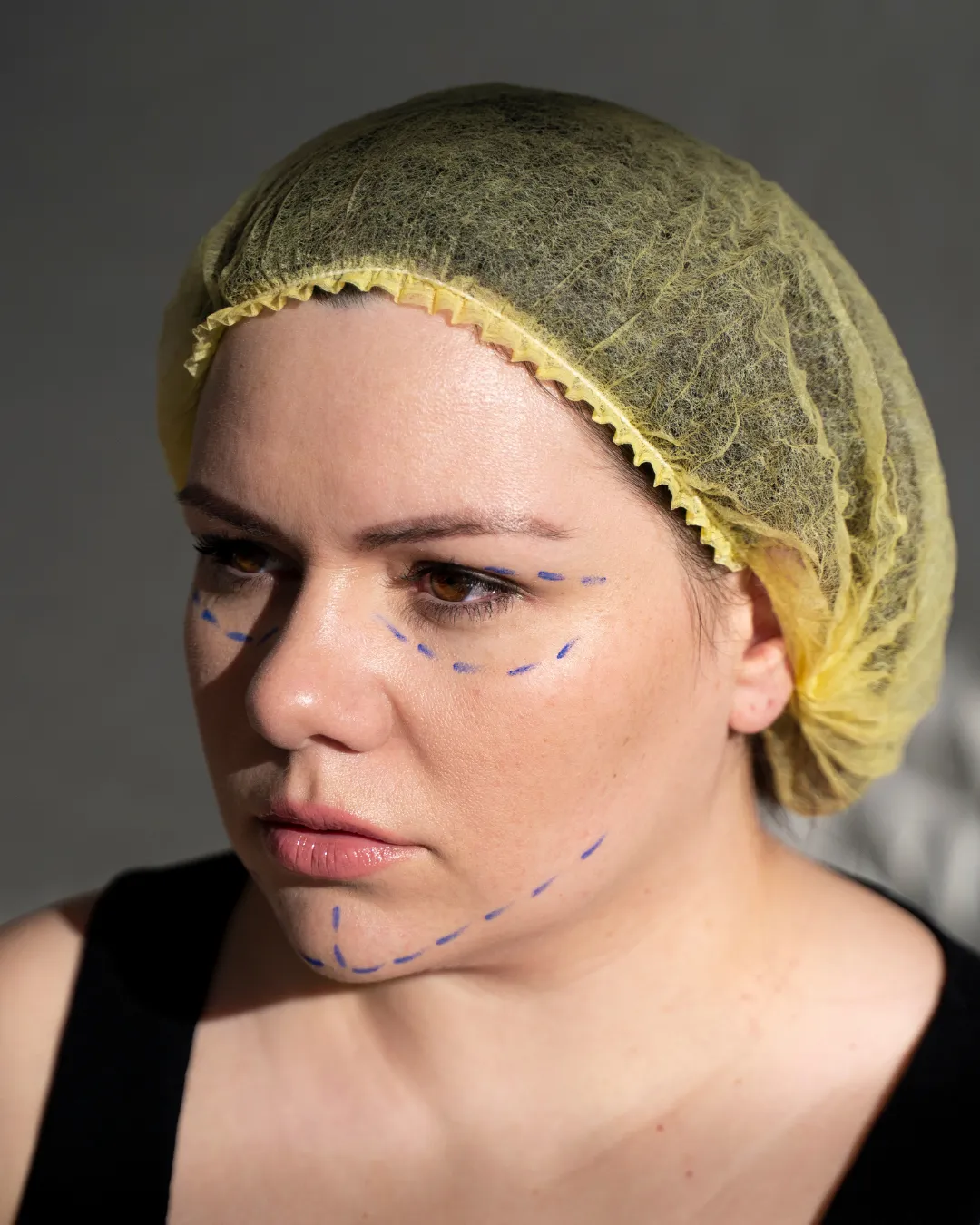
Understanding the surgical day process eases anxiety. You’ll arrive at the surgical facility, complete any final paperwork, and meet with your surgical team. Your surgeon may mark your face to guide incision placement and procedural landmarks.
The anesthesiologist administers anesthesia appropriate for your procedure—general anesthesia for extensive surgeries or local anesthesia with sedation for less invasive procedures. Surgery duration varies from one to several hours depending on procedure complexity. Afterward, you’ll spend time in recovery before being released to your designated caregiver.
How DrFace Can Help
At DrFace, we understand that navigating facial plastic surgery FAQs and making informed decisions requires expert guidance and personalized attention. Our approach combines surgical excellence with compassionate patient care, ensuring you feel confident and supported throughout your aesthetic journey.
Our board-certified facial plastic surgeons bring years of specialized training and extensive experience performing thousands of successful facial procedures. We utilize the latest surgical techniques and technologies to deliver natural-looking, harmonious results that enhance your unique beauty rather than creating an artificial appearance.
During your comprehensive consultation, we take time to understand your specific concerns, aesthetic goals, and expectations. We provide honest assessments, discuss realistic outcomes, and create customized treatment plans tailored to your individual needs. Our team addresses all your cosmetic surgery questions thoroughly, ensuring you have complete information to make confident decisions.
We maintain state-of-the-art surgical facilities meeting the highest safety standards, and our dedicated staff provides exceptional care before, during, and after your procedure. From your initial consultation through complete recovery, we’re committed to your satisfaction, safety, and stunning results that enhance your confidence and quality of life.
Why Choose DrFace for Your Facial Plastic Surgery?
DrFace stands out through our commitment to excellence, patient-centered care, and proven track record of beautiful, natural results. Our surgeons stay current with the latest advances through continuing education and regularly attend national conferences to bring cutting-edge techniques to our patients.
We believe in complete transparency about procedures, costs, and expected outcomes. Our patient coordinators guide you through every step, from initial consultation through final follow-up, ensuring a smooth, stress-free experience. Our beautiful before-and-after gallery showcases real patient transformations, demonstrating the artistic skill and surgical precision you can expect.
Schedule Your Consultation Today
Ready to move beyond facial plastic surgery FAQs and take the next step toward achieving your aesthetic goals? Your transformation begins with a personalized consultation where we answer your specific patient questions and develop a customized treatment plan designed exclusively for you.
During your consultation, you’ll discuss your concerns in detail, review your medical history, and receive professional recommendations based on your unique facial anatomy and desired outcomes. We’ll explain each procedure option, show you before-and-after photos of similar cases, and provide detailed information about what to expect throughout your journey.
Don’t let unanswered questions hold you back from feeling your most confident. Contact DrFace today to schedule your private consultation and discover how facial plastic surgery can help you achieve the natural, beautiful results you’ve been envisioning. Our experienced team is ready to guide you toward enhanced appearance and renewed self-confidence.
Call us now or visit our website to book your appointment. Your journey to facial rejuvenation and enhancement starts with a single step we’re here to walk with you every step of the way.