Correcting Facial Asymmetry: Surgical & Non-Surgical Options

Everyone’s face has some degree of asymmetry it’s a natural part of human anatomy. However, when facial asymmetry becomes noticeable, it can affect your confidence and how you perceive yourself. Whether you were born with facial imbalance or developed it due to injury, aging, or medical conditions, modern facial plastic surgery offers multiple pathways to achieve better facial balance.
Understanding your options for facial asymmetry correction is the first step toward achieving the harmonious appearance you desire. From minimally invasive asymmetry fillers to comprehensive facial asymmetry surgery, today’s treatments can address everything from subtle unevenness to significant structural differences.
Understanding Facial Asymmetry
Facial asymmetry refers to the lack of symmetry between the two sides of your face. While perfect symmetry doesn’t exist in nature, noticeable differences in facial features can create an imbalanced appearance that affects your overall aesthetic.
Common Causes of Facial Imbalance
Several factors contribute to an uneven face:
Congenital conditions form the foundation of many asymmetry cases. Some people are simply born with naturally uneven features, including differences in bone structure, muscle development, or soft tissue distribution. These inherited characteristics often run in families.
Developmental factors play a significant role as well. Conditions like hemifacial microsomia or cleft lip and palate can create significant facial imbalance. Even sleeping positions during childhood can influence facial development over time.
Trauma and injury represent another major cause. Broken bones that heal improperly, especially in the jaw or cheekbones, can create permanent asymmetry. Sports injuries, accidents, or physical trauma can alter facial structure in ways that persist without intervention.
Aging processes naturally contribute to facial asymmetry. As we age, volume loss occurs unevenly across the face. One side may lose fat or experience bone resorption faster than the other, creating gradual but noticeable differences. Sun damage, which rarely affects both sides equally, accelerates this process.
Medical conditions including Bell’s palsy, stroke, or tumors can cause muscle weakness or paralysis on one side of the face, resulting in drooping or functional asymmetry that impacts appearance.
Non-Surgical Asymmetry Solutions
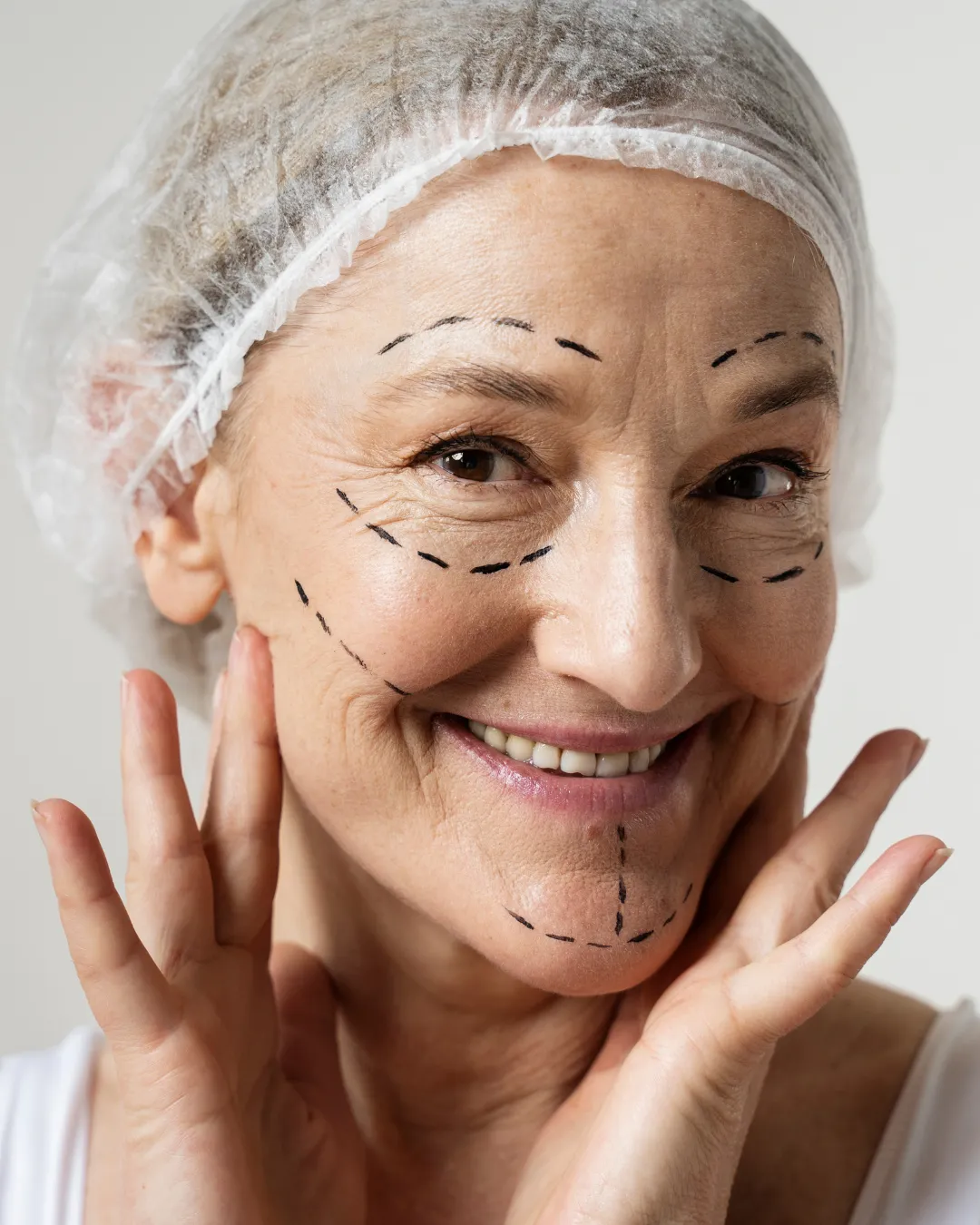
For many patients seeking to fix an uneven face, non-surgical treatments offer effective results without the downtime or commitment of surgery. These minimally invasive approaches can address mild to moderate asymmetry.
Dermal Fillers for Facial Balance
Asymmetry fillers have revolutionized how we approach facial imbalance. These injectable treatments use hyaluronic acid-based products to add volume precisely where needed, creating better proportion between facial sides.
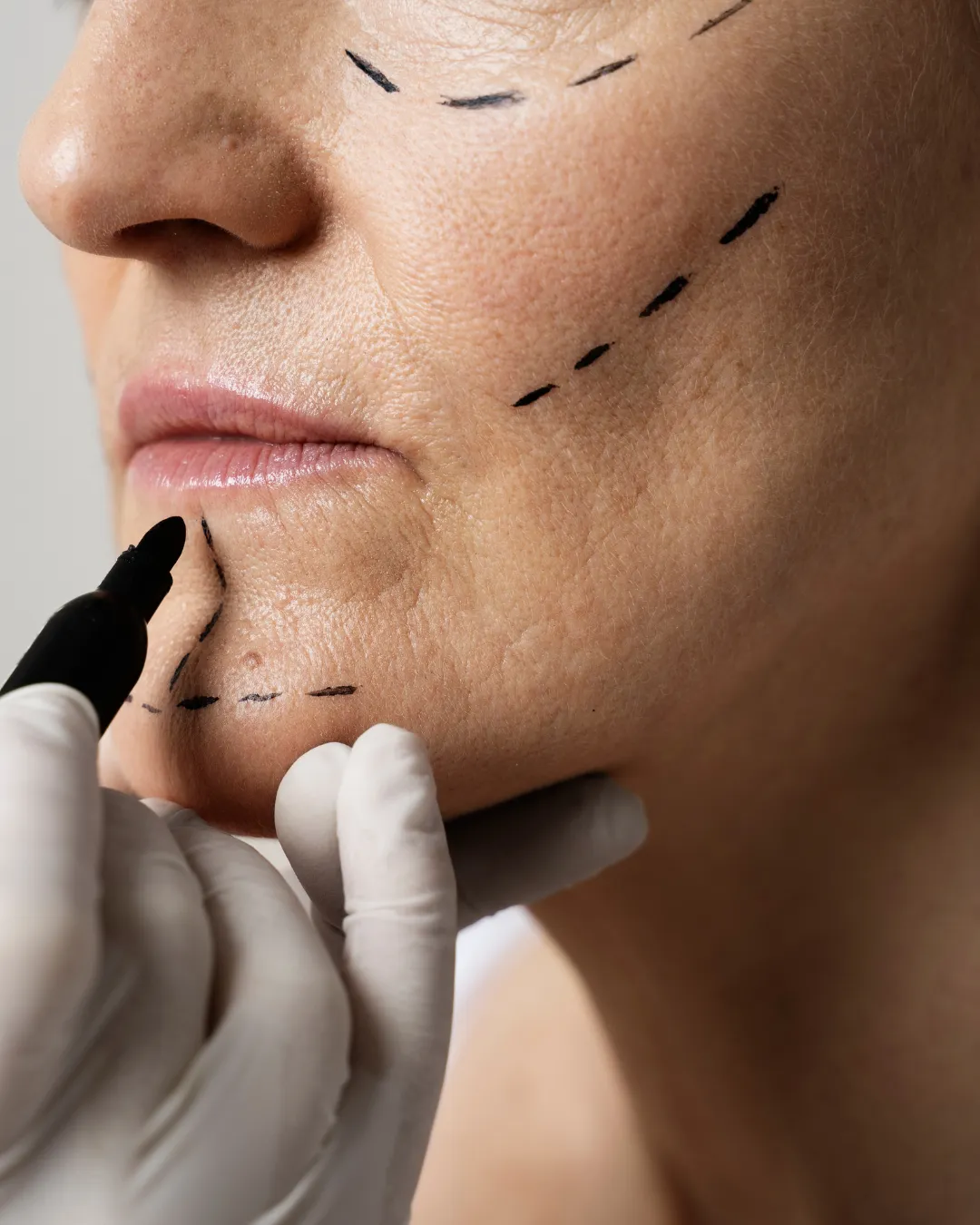
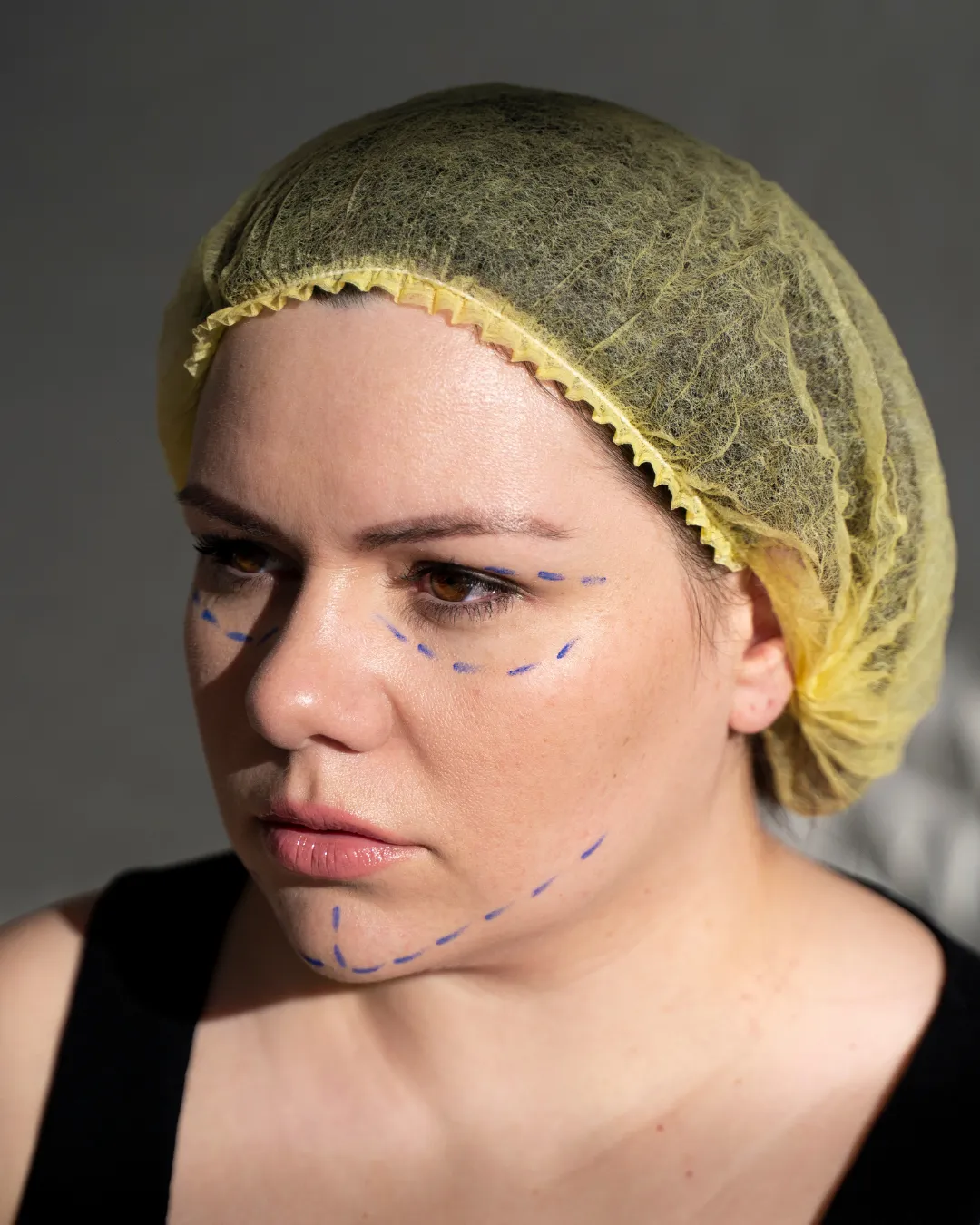
Strategic placement is key to successful filler treatment. A skilled injector evaluates your face from multiple angles, identifying areas that need enhancement to match the opposite side. Common treatment zones include the cheeks, under-eye area, jawline, chin, and temples.
Gradual approach works best for natural results. Rather than over-correcting in one session, experienced practitioners build volume over multiple appointments, allowing you to adjust to changes and ensuring optimal outcomes.
Results timeline varies by product, but most dermal fillers last between 6-18 months. Thicker, more robust fillers used for structural augmentation typically last longer than those addressing fine lines or superficial volume loss.
Botulinum Toxin Injections
Botox and similar neuromodulators can address functional asymmetry caused by overactive muscles. If one eyebrow sits higher than the other or one side of your smile pulls differently, strategic injections can relax hyperactive muscles and create better balance.
This uneven face treatment works particularly well for asymmetry in the upper face, including the forehead, eyebrows, and around the eyes. Results appear within days and last approximately 3-4 months.
Fat Grafting
Fat transfer offers a natural alternative to synthetic fillers. During this procedure, fat harvested from one area of your body is purified and carefully injected into areas requiring volume enhancement. Since you’re using your own tissue, results look exceptionally natural and can last several years as transferred fat cells establish blood supply.
Surgical Options for Facial Asymmetry Correction
When structural issues cause significant facial imbalance, facial asymmetry surgery provides permanent, transformative results. These procedures address the underlying bone and soft tissue structures creating unevenness.
Orthognathic Surgery
Jaw surgery corrects skeletal asymmetry affecting the upper jaw (maxilla), lower jaw (mandible), or both. This procedure is often necessary when asymmetry impacts bite function, breathing, or creates significant aesthetic concerns.
During orthognathic surgery, bones are carefully repositioned to create proper alignment. Computer-guided planning ensures precise movements that restore facial balance while maintaining or improving function. Recovery typically requires 6-12 weeks, with final results becoming apparent after swelling completely resolves.
Facial Implants
Custom facial implants can augment specific areas to match the opposite side. Chin, cheek, and jaw implants are carefully sized and shaped to create symmetry. Modern implant materials integrate naturally with your tissues, providing permanent structural enhancement.
The procedure involves making small, discreet incisions through which implants are precisely positioned. Most patients return to normal activities within 1-2 weeks, though complete healing takes several months.
Rhinoplasty for Nasal Asymmetry
A crooked or asymmetric nose significantly impacts overall facial balance. Rhinoplasty can straighten the nasal bridge, adjust tip positioning, and refine nostril shape to create better harmony with your facial features.
This delicate procedure requires exceptional skill to maintain breathing function while achieving aesthetic improvements. Results are permanent, though final refinement can take up to a year as tissues settle.
Facial Bone Contouring
For patients with asymmetric bone structure in the cheeks, forehead, or jaw, bone contouring surgically reshapes skeletal features. This advanced procedure removes or reshapes bone to create better proportion between sides.
Computer imaging and 3D planning ensure precise execution, allowing surgeons to visualize outcomes before making the first incision. Recovery varies based on the extent of contouring but generally requires 2-4 weeks for initial healing.
Choosing the Right Treatment Approach
Selecting appropriate asymmetry solutions depends on multiple factors specific to your situation.
Assessment Considerations
A comprehensive evaluation examines the type and severity of asymmetry, its underlying cause, your aesthetic goals, budget, and tolerance for downtime. Minor imbalances often respond beautifully to non-surgical treatments, while significant structural issues require surgical intervention.
Combination Approaches
Many patients achieve optimal results through combined treatments. For example, orthognathic surgery might address skeletal asymmetry while dermal fillers refine soft tissue contours. Or facial implants could provide structural foundation while fat grafting adds natural-looking volume.
Realistic Expectations
Understanding that perfect symmetry isn’t the goal helps set appropriate expectations. The objective is creating better balance and proportion that looks natural while enhancing your unique features. Overcorrection or pursuing absolute symmetry can create an unnatural, operated appearance.
Recovery and Results
Recovery timelines vary dramatically between non-surgical and surgical options.
Non-surgical treatments involve minimal downtime. Filler injections may cause temporary swelling or bruising for 3-7 days, but most patients return to normal activities immediately. Results appear instantly, though final outcomes emerge once swelling subsides.
Surgical procedures require more substantial recovery. Expect significant swelling and bruising for 2-3 weeks, with residual swelling persisting for months. Most patients feel comfortable in public after 2-4 weeks, though complete healing and final results take 6-12 months.
Following post-operative instructions carefully ensures optimal healing. This includes keeping your head elevated, avoiding strenuous activity, protecting incision sites, and attending all follow-up appointments.
How Dr. Robinson Can Help
Dr. Ernest Robinson brings extensive expertise in facial plastic surgery to every asymmetry case. With specialized training in facial aesthetics and reconstructive surgery, Dr. Robinson understands the complex interplay between facial structures that create balance and harmony.
His comprehensive approach begins with detailed analysis of your facial proportions from multiple angles. Using advanced imaging technology, Dr. Robinson shows you exactly how different treatment options would affect your appearance, helping you make informed decisions about your care.
Whether you’re considering non-surgical asymmetry fillers or complex facial asymmetry surgery, Dr. Robinson develops personalized treatment plans that address your specific concerns while honoring your natural features. His meticulous surgical technique and artistic eye consistently deliver results that look natural, balanced, and beautifully refined.
Patients appreciate Dr. Robinson’s honest, straightforward communication style. He explains exactly what each procedure can realistically achieve, ensuring you have clear expectations before moving forward with treatment.
Schedule Your Consultation Today
Taking the first step toward correcting facial asymmetry starts with understanding your unique situation. During your consultation with Dr. Robinson, you’ll receive a thorough evaluation of your facial structure, discussion of all available options, clear explanation of recommended treatments, realistic timeline for results, and transparent information about costs and recovery.
Don’t let facial imbalance continue affecting your confidence. Contact Robinson Facial Plastic Surgery today to schedule your comprehensive consultation. Dr. Robinson and his experienced team are ready to help you achieve the balanced, harmonious appearance you deserve.
Call our office or visit our website to book your appointment. We look forward to being your partner in achieving facial symmetry and renewed confidence.
Frequently Asked Questions
Is facial asymmetry normal?
Yes, some degree of facial asymmetry is completely normal and exists in everyone. Perfect symmetry is rare in nature. However, when asymmetry becomes noticeable or bothers you aesthetically, treatment options can create better balance and proportion.
Can facial asymmetry be fixed without surgery?
Many cases of mild to moderate facial asymmetry respond well to non-surgical treatments like dermal fillers, Botox, or fat grafting. These options work best for soft tissue asymmetry rather than significant skeletal differences. During your consultation, your surgeon will recommend the most appropriate approach for your specific situation.
How long do non-surgical results last?
Dermal fillers typically last 6-18 months depending on the product used and treatment area. Botox results last approximately 3-4 months. Fat grafting can provide longer-lasting results, often several years, as transferred fat cells establish permanent residence in treated areas.
Is facial asymmetry surgery painful?
Modern pain management techniques keep discomfort well-controlled during recovery. Most patients describe post-surgical sensations as pressure and tightness rather than sharp pain. Prescribed medications manage any discomfort effectively during the initial healing phase.
When will I see final results from facial asymmetry correction?
Non-surgical treatments show immediate improvement, with final results appearing once swelling resolves (typically 1-2 weeks). Surgical results take longer to fully emerge—initial changes are visible after swelling decreases (2-4 weeks), but final refinement continues for 6-12 months as tissues completely heal and settle.
Will my insurance cover facial asymmetry treatment?
Insurance may cover asymmetry correction when it’s medically necessary, such as jaw surgery to correct bite problems or breathing issues. Purely cosmetic treatments typically aren’t covered. Dr. Robinson’s team can help determine if your specific situation qualifies for insurance benefits.
Can facial asymmetry return after treatment?
Surgical corrections are permanent, as bone and structural changes don’t reverse. However, normal aging processes continue, which may create new asymmetries over time. Non-surgical treatments require maintenance sessions to preserve results as products naturally metabolize.
What age is appropriate for facial asymmetry correction?
Treatment timing depends on the type of asymmetry and chosen procedure. Skeletal corrections often wait until facial growth is complete (late teens for females, early twenties for males). Non-surgical treatments can be performed once facial maturity is reached. Congenital conditions may require earlier intervention planned in stages as the child grows.