Chin & Neck Contouring: Sculpting a Defined Profile

Your profile tells a story before you speak a single word. The contour from your chin through your neck creates a silhouette that conveys youth, vitality, and confidence—or reveals the accumulated effects of aging, genetics, and gravity. When sagging skin beneath your chin obscures your jawline or excess fullness blurs the distinction between face and neck, the impact extends beyond mere aesthetics into the realm of self-perception and how the world perceives you.
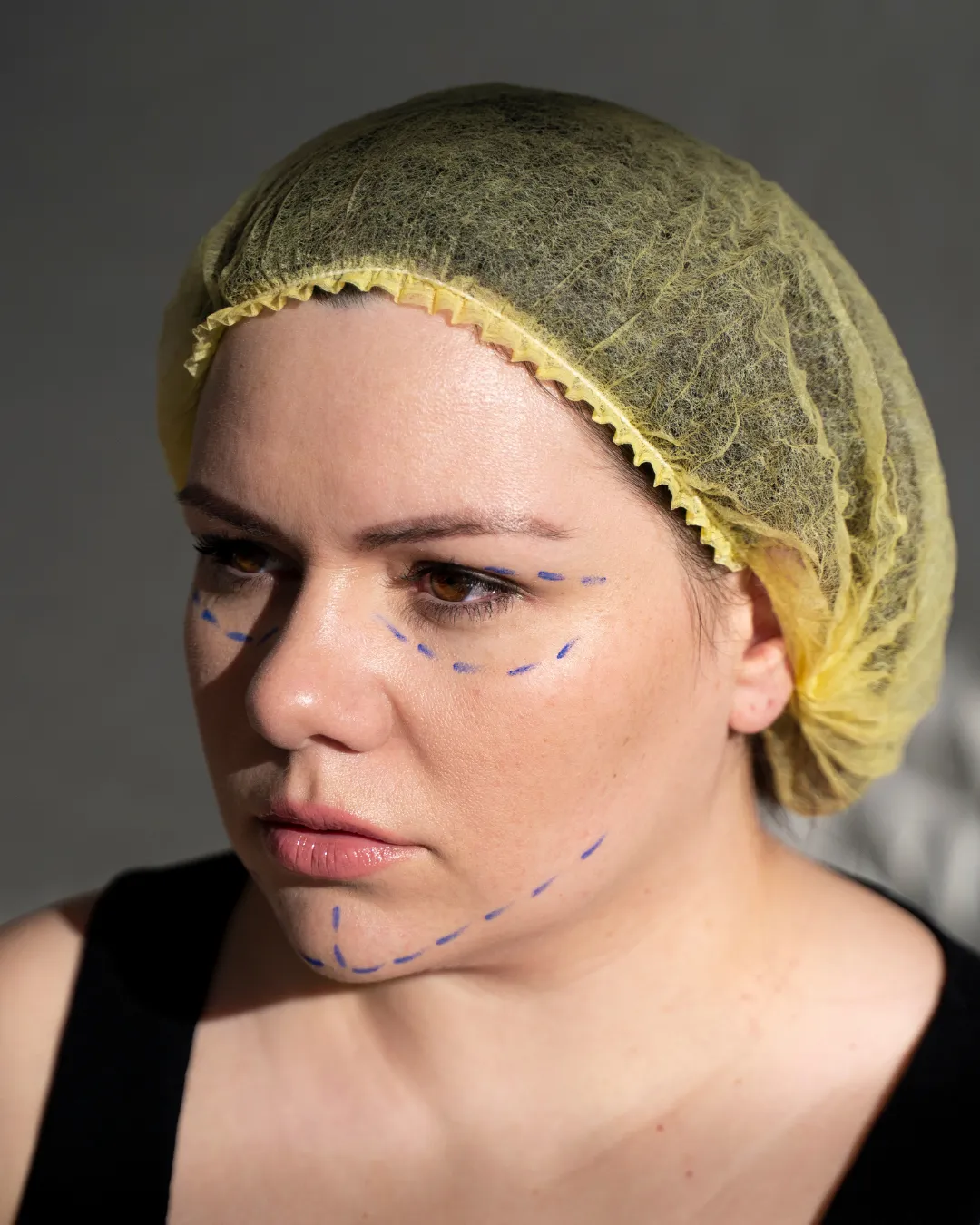
Chin and neck contouring procedures offer sophisticated solutions that restore definition to your lower face, creating the sharp, youthful profile you desire. This comprehensive exploration examines the diverse approaches to facial contour surgery, helping you understand which interventions might align with your aesthetic goals.
Understanding Chin and Neck Anatomy
The lower face and neck comprise a complex architectural system where bone structure, muscle tone, fat distribution, and skin quality collectively determine your profile’s appearance. Understanding these components illuminates why certain concerns develop and which treatments address them most effectively.
Your mandible—the jawbone—establishes the foundational framework supporting your lower facial soft tissues. A strong, well-projected chin creates natural definition, while a recessed or weak chin allows soft tissues to pool forward, diminishing profile clarity. The platysma muscles extending from your jawline down your neck can separate or band with age, creating visible vertical cords that disrupt smooth contours.
Submental fat—the adipose tissue beneath your chin—accumulates due to genetics, weight fluctuations, or aging. Even individuals maintaining healthy body weight can develop persistent submental fullness resistant to diet and exercise. This localized fat deposit creates the appearance commonly termed a “double chin,” obscuring the jaw-to-neck transition that defines an attractive profile.
Skin elasticity represents another critical factor. Youthful skin possesses resilience that allows it to conform smoothly to underlying structures. Skin loses this adaptable quality as collagen and elastin fibers weaken with age, resulting in laxity that shows up as sagging jowls, a turkey neck appearance, or general lower face drooping.
Common Concerns Addressed by Chin & Neck Contouring
Individuals pursue lower facial contouring for various concerns, each reflecting unique anatomical considerations requiring tailored treatment approaches.
Submental fullness or double chin represents perhaps the most prevalent complaint. This excess fat beneath the chin disrupts the clean transition from jaw to neck, creating a rounded, heavy appearance regardless of overall body composition. Many patients express frustration that no amount of targeted exercise eliminates this stubborn deposit.
Weak chin projection creates an imbalanced profile where the lower face appears to recede relative to other facial features. This skeletal deficiency not only affects aesthetic harmony but can accentuate submental fullness by failing to provide adequate support for overlying soft tissues. The nose may appear larger in proportion when chin projection proves insufficient.
Neck laxity manifests as loose, crepey skin hanging beneath the jawline. This sagging creates an aged appearance that betrays your actual vitality. Severe cases develop a “turkey wattle” where excess skin hangs conspicuously, resistant to camouflage through clothing or positioning. Platysmal banding occurs when the neck muscles separate centrally, creating visible vertical cords running from chin to collarbone. These bands become particularly noticeable during speaking or certain facial expressions, drawing unwanted attention to the neck region. Jowling develops when facial fat pads descend and skin laxity allows soft tissue to accumulate along the jawline. This creates a squared, heavy lower face appearance that obscures the once-defined jaw angle and creates an aged countenance.
Poorly defined jawline affects individuals across age groups, sometimes representing genetic inheritance rather than aging. The absence of clear demarcation between face and neck creates a soft, undefined profile lacking the angular definition associated with youth and attractiveness.
Chin Liposuction: Removing Excess Fat
Chin liposuction provides a minimally invasive solution for patients whose primary concern involves localized fat accumulation beneath the chin. Without treating skeletal deficits or skin laxity, this technique focuses on submental adipose deposits.
During the procedure, surgeons create tiny incisions beneath the chin or behind the ears, through which they insert thin cannulas. These specialized instruments break up and suction out excess fat, sculpting improved contours along the jawline and upper neck. The procedure typically requires only local anesthesia with sedation and generates minimal downtime compared to more extensive surgical interventions.
Chin liposuction works exceptionally well for younger patients with good skin elasticity who have isolated fat deposits. The remaining skin naturally contracts around the newly sculpted contours, creating a defined jaw-to-neck transition. However, patients with significant skin laxity may experience disappointing results, as removing fat without addressing excess skin can worsen sagging appearance.
Recovery proves relatively straightforward, with most patients experiencing swelling and bruising that resolves within two weeks. Wearing a compression garment supports healing tissues and encourages optimal skin contraction. Results become apparent as swelling subsides over several weeks, with final outcomes visible around three months post-procedure.
The procedure’s limitations center on its inability to address skin excess, muscle banding, or skeletal deficiencies. Patients requiring comprehensive rejuvenation often need combination approaches incorporating additional techniques.
Neck Contouring Through Surgical Lifting
Neck contouring encompasses various surgical techniques designed to eliminate excess skin, tighten underlying muscles, and restore youthful definition to the neck region. These procedures prove essential when skin laxity represents the predominant concern rather than isolated fat deposits. A neck lift, formally termed cervicoplasty, addresses redundant skin through strategic excision and repositioning. Surgeons create incisions typically hidden behind the ears and possibly under the chin, through which they access and remove excess skin. The remaining tissue receives careful re-draping to create smooth, tight contours without appearing overly pulled or artificial.
Platysmaplasty specifically targets the platysma muscles, tightening separated bands that create visible neck cords. Surgeons access these muscles through the neck lift incisions, either suturing them together centrally to eliminate banding or partially dividing and repositioning them for improved contours. This muscular correction proves essential for patients whose neck concerns extend beyond superficial skin issues. Neck contouring procedures frequently combine with other interventions, including facelift surgery for comprehensive lower facial rejuvenation. This integrated approach ensures harmonious results without creating obvious transitions between treated and untreated areas.
Recovery from neck contouring surgery demands approximately two weeks before resuming normal activities, with several additional weeks before engaging in strenuous exercise. Swelling, bruising, and temporary numbness represent expected postoperative experiences that gradually resolve. Most patients see significant improvement within one month, with continued refinement over six months as tissues settle and heal completely.
The longevity of neck lift results typically spans ten to fifteen years, though individual experiences vary based on genetics, lifestyle factors, and aging progression. Maintaining stable weight and practicing excellent skincare extends result durability.
Jawline Enhancement for Structural Definition
Jawline enhancement addresses skeletal deficiencies that prevent optimal lower facial contours. When inadequate bone structure represents the primary concern, augmenting the underlying framework creates the foundation necessary for attractive soft tissue positioning. A chin implant represents the most common jawline enhancement approach, adding projection and width to deficient chin structures. These biocompatible silicone devices come in various sizes and shapes, allowing customization to each patient’s specific anatomical needs and aesthetic goals. Surgeons position implants through incisions either inside the mouth or beneath the chin, securing them to create permanent augmentation.
Jawline enhancement extends beyond the chin to include jaw angle implants that increase width and definition along the posterior mandible. These devices create a stronger, more masculine appearance for men or subtle definition for women seeking improved facial balance. Custom implants fabricated from 3D facial imaging offer precise correction of complex skeletal deficiencies. Injectable fillers provide non-surgical jawline enhancement for patients seeking temporary or trial results before committing to permanent implants. Hyaluronic acid-based products strategically placed along the jawline create immediate definition lasting twelve to eighteen months. This approach suits individuals with mild deficiencies or those uncertain about pursuing surgical intervention.
Chin implant procedures typically require approximately one hour under local anesthesia with sedation or general anesthesia depending on surgical complexity. Recovery involves moderate swelling and discomfort for approximately two weeks, with restrictions on mouth opening and diet modifications when intraoral incisions are used. Results appear immediately though swelling temporarily obscures final contours. As inflammation resolves over several weeks, the enhanced projection and definition become increasingly apparent. Implant-based augmentation provides permanent correction, with devices designed to remain in place indefinitely though they can be removed or exchanged if desired.
Double Chin Removal: Comprehensive Approaches
Double chin removal encompasses multiple treatment modalities ranging from non-invasive technologies to surgical interventions, each suited to specific patient profiles and concern severity.
Non-surgical double chin removal has advanced significantly with FDA-approved injectable treatments. Deoxycholic acid injections target and destroy fat cells beneath the chin through a series of treatment sessions spaced several weeks apart. This approach suits patients with moderate submental fullness and good skin quality who prefer avoiding surgery. Results develop gradually over two to three months as destroyed fat cells are metabolized and eliminated.
Radiofrequency and ultrasound-based devices offer another non-invasive option, heating deeper tissue layers to stimulate collagen production and tighten skin. These treatments work best for mild concerns and require multiple sessions to achieve noticeable improvement. Results prove more subtle than surgical alternatives but involve zero downtime and minimal discomfort. Surgical double chin removal through liposuction or neck lift procedures delivers more dramatic, predictable outcomes for patients with significant concerns. Liposuction addresses primarily fat accumulation, while neck lifting corrects skin laxity and muscle banding. Many patients benefit from combined approaches that simultaneously remove excess fat and tighten overlying tissues. The optimal treatment selection depends on your specific anatomy, concern severity, and desired outcome magnitude. During consultation, surgeons assess your tissue quality, fat volume, muscle tone, and skeletal structure to recommend the approach most likely to achieve your goals effectively.
Facial Contour Surgery: Comprehensive Transformation
Facial contour surgery represents an integrated approach addressing multiple concerns simultaneously for harmonious lower facial rejuvenation. Rather than treating isolated issues independently, comprehensive contouring considers how various anatomical elements interact to create your overall profile appearance.
A typical facial contour surgery might combine chin augmentation with liposuction and neck lifting, addressing skeletal deficiency, excess fat, and skin laxity in a single operation. This coordinated strategy ensures proportional results where the strengthened chin framework supports beautifully contoured overlying tissues, and the tightened neck creates seamless transition to the lower face.
Some patients require even more extensive intervention incorporating lower facelift techniques to address jowling and restore youthful jaw definition. The decision to pursue comprehensive versus targeted treatment depends on your concerns’ complexity and your aesthetic goals’ scope.
Comprehensive facial contouring demands longer operative time and more extensive recovery compared to isolated procedures. However, addressing multiple concerns simultaneously eliminates staged surgeries and multiple recovery periods while ensuring aesthetic harmony that piecemeal approaches may not achieve.
Surgeons performing facial contour surgery must possess sophisticated understanding of facial aesthetics, recognizing how chin projection, jaw width, neck length, and facial balance interact. The most successful practitioners combine technical skill with artistic vision, sculpting results that appear completely natural while dramatically enhancing your profile.
Selecting Your Facial Plastic Surgeon
Choosing the right surgeon represents your most critical decision throughout your contouring journey. The complexity of lower facial anatomy and the aesthetic judgment required for harmonious results demand exceptional expertise and experience. Board certification by the American Board of Facial Plastic and Reconstructive Surgery or American Board of Plastic Surgery confirms rigorous training completion and ongoing competence maintenance. These credentials verify your surgeon has met stringent educational requirements, passed comprehensive examinations, and commits to continuing education.
Specialized focus on facial procedures distinguishes surgeons who regularly perform chin and neck contouring from those who occasionally include it among diverse surgical offerings. Practitioners dedicating substantial practice volume to facial surgery develop refined techniques and nuanced aesthetic sensibilities translating to consistently superior outcomes. Comprehensive before and after portfolios showcase a surgeon’s capabilities and aesthetic approach. Examine results for patients with similar concerns and facial structures to yours. Quality galleries demonstrate diverse cases with uniformly natural-appearing outcomes that enhance rather than distort facial character.
During consultation, assess communication quality and rapport. Your surgeon should listen attentively to your concerns, explain options clearly, provide honest assessments about realistic outcomes, and answer questions thoroughly without rushing. Feeling comfortable with your surgeon’s approach and confident in their expertise proves essential for satisfaction with the entire experience.
Recovery and Results Timeline
Understanding the healing process following chin and neck contouring helps set realistic expectations and ensures you’re prepared for each recovery phase. Immediate postoperative period involves moderate swelling, bruising, and discomfort managed with prescribed medications. Compression garments support healing tissues and minimize swelling. Most patients describe discomfort as manageable rather than severely painful.
The first week demands rest and activity limitation to prevent complications. Swelling and bruising peak around day three before gradually improving. Many patients feel presentable enough to resume work and light social activities within ten to fourteen days, particularly with strategic makeup application.
Weeks two through four bring continued improvement as inflammation resolves and tissues adapt to their new contours. Residual swelling becomes less noticeable to others though still apparent to you. Numbness or altered sensation typically begins resolving during this period.
Months two through six deliver progressive refinement as subtle swelling completely dissipates and final contours emerge. Scars fade considerably, becoming barely perceptible when properly positioned and cared for. Most patients see their ultimate results by the six-month mark.
Long-term maintenance involves sun protection, healthy lifestyle choices, and quality skincare to preserve your results. While aging continues, your improved contours persist, with you always appearing younger than you would have without intervention.
Why Choose Robinson Facial Plastic Surgery
Selecting a practice exclusively focused on facial plastic surgery ensures specialized expertise that general practices cannot replicate. Robinson Facial Plastic Surgery dedicates itself entirely to facial procedures, bringing concentrated knowledge and refined techniques to every patient interaction.
This singular specialization means comprehensive understanding of facial anatomy, aesthetic principles, and nuanced surgical approaches that create harmonious, natural-appearing results. The practice’s exclusive focus permits continuous skill advancement and innovative technique adoption that enhances patient outcomes.
Patients receive individualized treatment planning honoring unique facial architecture and aesthetic aspirations. The practice recognizes successful contouring demands more than technical proficiency—it requires artistic vision perceiving how structural changes affect complete facial harmony and balance. Beyond surgical excellence, Robinson Facial Plastic Surgery prioritizes thorough patient education and emotional support throughout your transformation. From initial consultation through final follow-up, you receive transparent communication, honest expectations, and compassionate care addressing both physical results and psychological well-being.
Frequently Asked Questions
How long do chin and neck contouring results last?
Surgical results typically endure ten to fifteen years, with you always appearing more defined than without intervention. Non-surgical treatments like injectables provide temporary improvement lasting months to two years depending on the specific modality. Maintaining stable weight and practicing healthy lifestyle habits extends result longevity.
Will I have visible scarring?
Surgeons position incisions strategically in concealed locations including beneath the chin, behind the ears, or inside the mouth. With proper healing and scar care, resulting lines fade to barely perceptible marks within several months. Most patients find scarring an acceptable trade-off for dramatic improvement achieved.
Can I combine chin and neck contouring with other procedures?
Absolutely. Many patients achieve optimal results combining lower facial contouring with complementary procedures including rhinoplasty, eyelid surgery, or full facelift. Addressing multiple concerns simultaneously creates comprehensive rejuvenation while reducing total recovery time compared to staged operations.
Am I too young or too old for these procedures?
Appropriate candidacy depends more on your specific concerns and overall health than chronological age. Younger patients frequently pursue chin augmentation for skeletal deficiencies, while older individuals typically seek neck lifting for age-related changes. Consultation with a qualified surgeon determines whether you’re a suitable candidate regardless of age.
What’s recovery like after neck contouring surgery?
Most patients experience moderate swelling and discomfort for approximately two weeks, managing symptoms effectively with prescribed medications. Compression garments worn continuously initially provide support and minimize swelling. Most people resume work within ten to fourteen days and normal exercise within four to six weeks.
Conclusion
Chin and neck contouring procedures offer transformative solutions for individuals seeking improved lower facial definition and a more youthful, attractive profile. Whether your concerns involve excess fat, skin laxity, muscle banding, or skeletal deficiency, modern techniques provide effective correction tailored to your unique anatomy.
Understanding available treatment options, maintaining realistic expectations, and selecting a qualified facial plastic surgeon like those at Robinson Facial Plastic Surgery maximizes your probability of achieving beautiful, natural-appearing results that enhance your confidence and transform how you present yourself to the world. Your sculpted, defined profile awaits—the journey toward the reflection you’ve envisioned begins with a single consultation step.
Retry
This website does not contain medical advice and the use of this website does not create a physician/patient relationship between you and Robinson Facial Plastic Surgery. The photographs of models displayed on this web site are for decorative purposes only. See before & after photos for possible results.
Quick Links
About Us
Surgical Procedures
Non-Surgical Procedures
Privacy Policy
Sitemap
Terms of Use
HIPAA Privacy Notice
Contact Us
Robinson Facial Plastic Surgery
- Phone : (949) 831- 5900
- Email : info@drface.com
- Address : 24541 Pacific Park Drive | Suite 103 Aliso Viejo, CA 92656
- Country : United States
Pacific Hills Surgery Center
- Phone : 949.458.3551
- Email : info@drface.com
- Address : 24022 Calle De La Plata Laguna Hills, CA 92653-3626
- Country : United States
Our Gallery
- Copyright 2025 Drface
- Power by Technijian