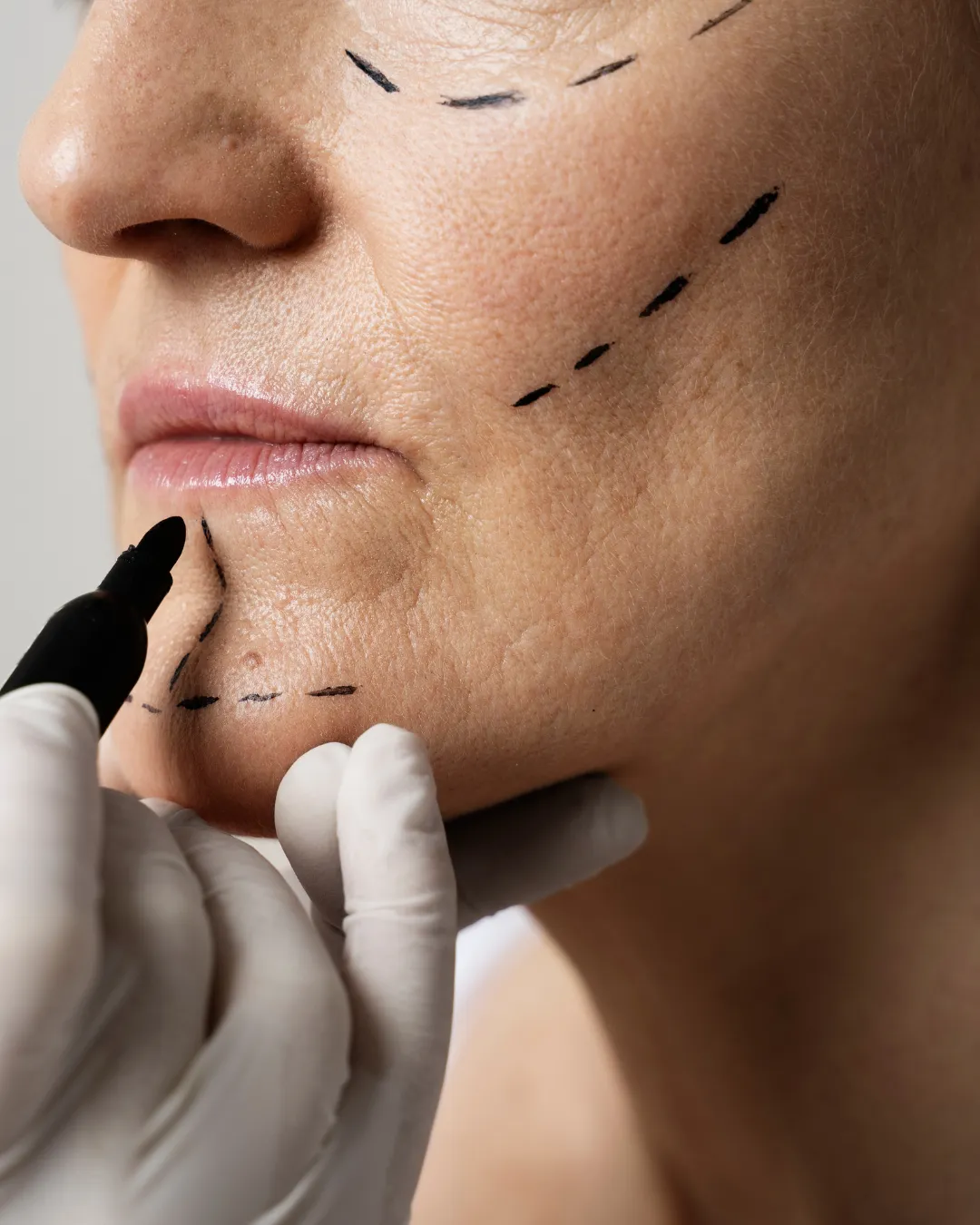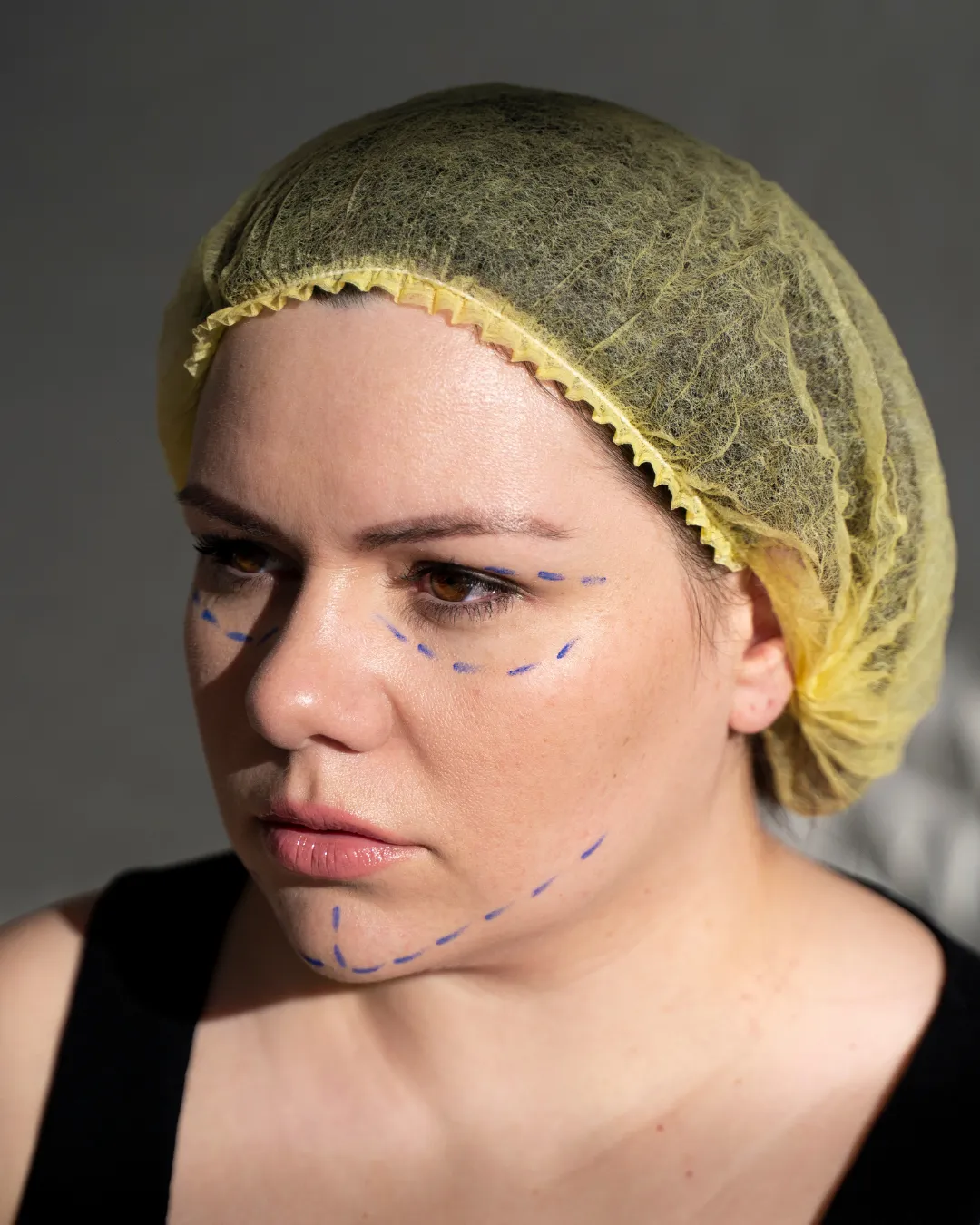
The Role of Support Systems During Facial Surgery Recovery: Essential Guide
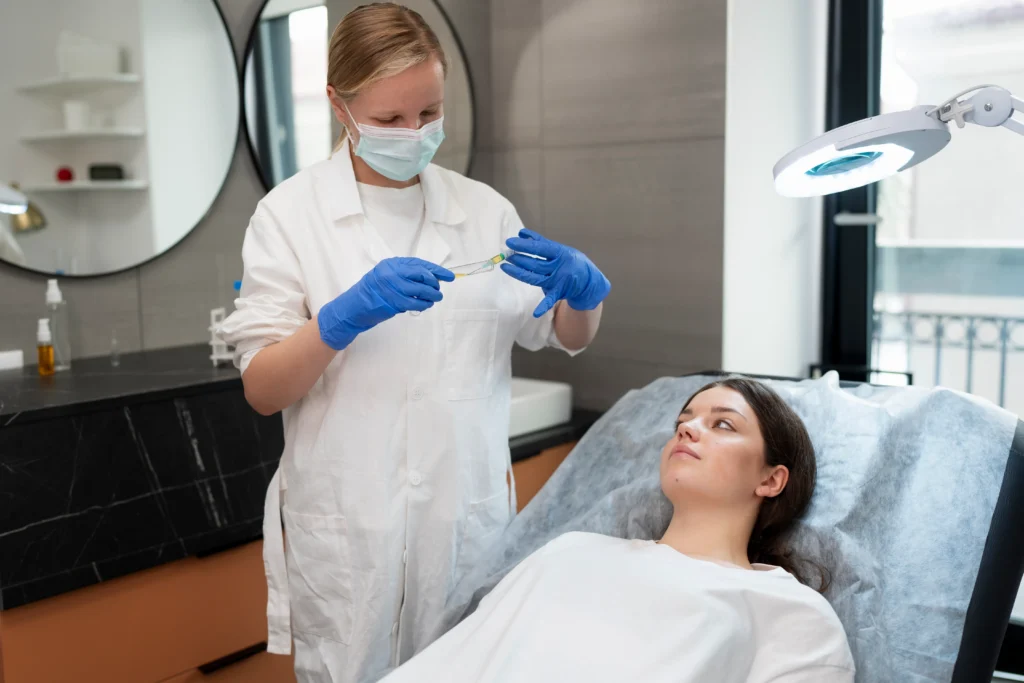
Introduction: Why Support Systems Matter
Undergoing facial surgery represents a significant personal journey that extends far beyond the operating room. While surgical skill and proper medical care form the foundation of successful outcomes, the presence of strong support systems often determines whether recovery feels overwhelming or manageable. Research consistently shows that patients with robust emotional and practical support experience faster healing, better pain management, and higher overall satisfaction with their surgical experience.
Support systems provide much more than just physical assistance during recovery. They offer emotional reassurance during moments of doubt, practical help when simple tasks feel challenging, and psychological comfort when the healing process tests your patience. Moreover, having people you trust by your side creates a safety net that allows you to focus entirely on healing rather than managing daily logistics alone.
This comprehensive guide explores the multifaceted role that support systems play throughout facial surgery recovery. Furthermore, you’ll discover how to identify the right support people, communicate your needs effectively, and build a network that enhances both your physical healing and emotional well-being. Whether you’re preparing for surgery or supporting someone through their recovery, understanding these dynamics proves invaluable for achieving the best possible outcomes.
Understanding Different Types of Support
Emotional Support: The Foundation of Recovery
Emotional support represents perhaps the most crucial element during facial surgery recovery. This type of support involves having people who listen without judgment, validate your feelings, and provide reassurance during challenging moments. Emotional supporters don’t necessarily need medical knowledge or caregiving skills; rather, they offer empathy, understanding, and consistent presence.
During recovery, you may experience unexpected emotional fluctuations. Swelling and bruising might temporarily shake your confidence, discomfort could test your patience, or simply feeling vulnerable might trigger anxiety. Having someone who understands these feelings as normal rather than dismissing them makes an enormous difference in your emotional resilience.
Additionally, emotional support helps counter the isolation that recovery sometimes brings. When you can’t participate in usual social activities or feel self-conscious about your temporary appearance, maintaining connection with supportive people prevents feelings of loneliness. These connections remind you that your value extends far beyond physical appearance and that this recovery period represents just a temporary phase.
Practical Support: Managing Daily Tasks
Practical support involves assistance with concrete tasks that become challenging during recovery. Depending on your procedure and individual circumstances, you might need help with transportation, meal preparation, medication management, household chores, childcare, or pet care. This hands-on assistance proves essential, especially during the first few days post-surgery.
Many patients underestimate how much energy simple tasks require when you’re healing. Activities that normally feel effortless—grocery shopping, cooking, cleaning, or even getting dressed—can feel exhausting when you’re managing discomfort and fatigue. Having someone handle these responsibilities allows you to conserve energy for healing.
Furthermore, practical supporters ensure you follow post-operative instructions correctly. They can help you remember medication schedules, assist with wound care, and ensure you’re maintaining proper head elevation or activity restrictions. This oversight becomes particularly valuable when pain medications affect memory or concentration.
Informational Support: Knowledge and Guidance
Informational support comes from people who help you understand your recovery process, answer questions, and connect you with appropriate resources. Your surgical team provides the primary source of medical information, but other supporters might share personal experiences, research helpful products, or simply help you formulate questions for your medical appointments.
This type of support proves especially valuable before surgery when gathering information and making decisions. Trusted friends or family members can accompany you to consultations, take notes, ask questions you might forget, and help you process information afterward. Having another set of ears during medical discussions often ensures you capture important details.
However, it’s crucial that informational supporters direct you toward reliable sources rather than amplifying anxiety through worst-case scenarios or unverified online forums. The best informational supporters help you distinguish between credible medical advice and misleading anecdotes.
Building Your Recovery Support Team
Identifying the Right Support People
Not everyone in your life makes an appropriate recovery support person. Choosing wisely prevents disappointment and ensures you receive the help you actually need. Consider several factors when identifying potential supporters.
First, assess reliability. Recovery support requires consistent follow-through, not just good intentions. Choose people who’ve demonstrated dependability in the past and who can commit to specific timeframes. A well-meaning friend who frequently cancels plans may not provide the stability you need during recovery.
Second, evaluate their attitude toward your surgery decision. Ideal supporters respect your choice and want the best outcome for you. People who question your decision, express skepticism about cosmetic procedures, or make you feel defensive about your choice will likely increase stress rather than providing comfort.
Additionally, consider personality compatibility during vulnerable times. Some people offer cheerful encouragement, while others provide quiet, calming presence. Neither approach is inherently better; what matters is matching support styles to your preferences. Reflect on who makes you feel most comfortable when you’re not at your best.
Assigning Specific Roles
Rather than asking for general help, assign specific roles to different supporters based on their strengths and availability. This clarity prevents confusion, ensures all needs are met, and allows people to contribute in ways that feel manageable.
For instance, designate a primary caregiver for the first 24-48 hours post-surgery. This person should have flexibility to stay with you, help with immediate physical needs, and monitor your condition. They should feel comfortable contacting your surgical team if concerns arise.
Another person might serve as your meal coordinator, either preparing food themselves or organizing a meal delivery schedule among multiple friends. Similarly, someone else could handle household tasks like laundry, cleaning, or pet care.
Additionally, identify an emotional support person—perhaps a close friend or family member with whom you can share feelings honestly. This person should be a good listener who offers comfort without trying to “fix” everything or minimize your concerns.
Communicating Your Needs Clearly
Many people struggle with asking for help, fearing they’ll burden others or appear needy. However, clear communication about your needs actually makes supporting you easier and more effective. People generally want to help but often don’t know how unless you specify.
Before surgery, have explicit conversations with your support team about what you’ll need. Provide detailed information about your procedure, expected recovery timeline, and specific limitations you’ll face. Share your surgeon’s post-operative instructions so supporters understand why certain tasks or restrictions matter.
Furthermore, don’t assume people know what you need. Be direct: “I’ll need someone to drive me to my follow-up appointment on Tuesday” or “Could you help me wash my hair for the first week?” Specific requests are much easier to fulfill than vague hints.
Also, communicate your emotional needs and preferences. Some people want lots of check-ins and conversation; others prefer quiet support with minimal fussing. Let your team know what helps you feel cared for without feeling smothered.
Support During Different Recovery Phases
Immediate Post-Operative Period (Days 1-3)
The first few days after surgery require the most intensive support. During this time, you’re managing the effects of anesthesia, experiencing peak swelling and discomfort, and navigating activity restrictions. Having someone with you continuously during this period isn’t just helpful—it’s often medically recommended.
Your primary supporter during these days should assist with basic needs like getting to the bathroom safely, preparing simple meals or helping you eat if necessary, managing medications on schedule, and applying ice packs or other comfort measures. They should also monitor you for any concerning symptoms that require medical attention.
Additionally, this person provides crucial emotional reassurance. Seeing significant swelling and bruising can feel shocking even when you’re intellectually prepared. Having someone remind you that this is temporary and normal helps maintain perspective during vulnerable moments.
Early Recovery (Weeks 1-2)
As acute symptoms subside, support needs evolve. You’ll likely manage personal care independently but still benefit from help with household tasks, meal preparation, and transportation if you can’t drive yet. During this phase, supporters might accompany you to follow-up appointments, especially if you’re still experiencing medication effects that impair concentration.
Emotional support remains equally important during this period. The initial post-surgery excitement has worn off, but you’re not yet seeing final results. This “waiting phase” can feel frustrating, and having people who encourage patience without dismissing your feelings proves invaluable.
Moreover, supporters can help you resist the temptation to resume activities too quickly. When you start feeling better, it’s natural to want to return to normal routines. However, premature activity can compromise healing. Having accountability partners who gently remind you to follow restrictions helps protect your results.
Later Recovery (Weeks 3+)
As you transition toward normal activities, support needs become less intensive but remain meaningful. During this phase, emotional support often matters most. You might experience impatience with residual swelling, uncertainty about results, or anxiety about returning to social situations.
Supporters during this stage help you maintain realistic expectations and celebrate healing milestones. They can provide objective observations about improvement you might not notice yourself, since you see your reflection daily. Additionally, they can accompany you to social events if you feel nervous about others’ reactions to your changed appearance.
Virtual Support and Online Communities
When In-Person Support Is Limited
Not everyone has access to robust in-person support systems, particularly people who’ve relocated for work, live far from family, or have busy social circles. However, distance doesn’t preclude meaningful support. Virtual support can effectively supplement or sometimes substitute for in-person assistance.
Video calls allow loved ones to check in visually, providing reassurance that you’re healing well. They can review your incision care virtually if you have questions, or simply keep you company during lonely moments. Schedule regular video check-ins to maintain connection and accountability for self-care.
Additionally, meal delivery services, grocery delivery, and task management apps can help manage practical needs without requiring in-person support. While not emotionally equivalent to having someone physically present, these resources ensure your basic needs are met.
Online Patient Communities
Many patients find valuable support through online communities of people who’ve undergone similar procedures. These groups offer unique understanding since members have firsthand experience with recovery challenges. They can validate your feelings, share practical tips, and provide hope through their own successful outcomes.
However, approach online communities with discernment. While many offer genuine support, some can amplify anxiety through excessive focus on complications or unrealistic comparison. Choose communities that are moderated, focus on constructive discussion, and emphasize evidence-based information rather than fear-mongering.
Furthermore, remember that online communities supplement rather than replace professional medical guidance. If you have concerns about your recovery, always contact your surgical team rather than relying solely on peer advice.
How DrFace Can Help
At DrFace, we recognize that exceptional surgical outcomes depend not only on technical excellence but also on comprehensive support throughout your entire journey. Our team helps you build effective support systems even before surgery begins.
During pre-operative consultations, we discuss support system planning as an integral part of surgical preparation. We help you identify what types of support you’ll need, how long intensive assistance will be necessary, and how to communicate requirements clearly to your support network. Additionally, we provide detailed written instructions and educational materials you can share with supporters so they understand their roles.
Our patient care coordinators serve as an additional layer of support throughout recovery. They check in regularly, answer questions, assess healing progress, and provide reassurance about normal recovery experiences. This professional support supplements your personal network, ensuring you never feel alone in navigating recovery challenges.
Furthermore, we offer resources for supporters themselves, including guidance on recognizing warning signs, managing caregiver stress, and supporting patients emotionally without overwhelming them. We understand that helping someone recover requires energy and knowledge, and we want caregivers to feel equipped and appreciated.
We also facilitate connections between prospective patients and those who’ve successfully completed recovery. These mentorship relationships provide invaluable perspective and encouragement from people who truly understand your experience. Many patients find that hearing firsthand accounts from satisfied patients offers unique reassurance that professional advice alone cannot provide.
Frequently Asked Questions
What if I don’t have family or close friends who can help?
Lack of traditional support systems doesn’t preclude having successful surgery. Consider hiring a post-operative care nurse for the first 24-48 hours when support is most crucial. Many surgical practices can recommend professional caregivers experienced with post-operative needs. Additionally, explore local services for meal delivery, house cleaning, and transportation. While these paid services differ from personal relationships, they effectively address practical needs.
How do I support someone without making them feel helpless or pitied?
The key is offering assistance while respecting autonomy. Ask “How can I best help you?” rather than assuming or taking over. Respect their preferences even if you’d handle things differently. Additionally, maintain normal conversation beyond surgery topics—discuss shared interests, current events, or light entertainment. This normalcy reminds them they’re still themselves beyond being a surgical patient.
Should I tell people about my surgery, or can I recover privately?
This decision is entirely personal. Some people find that sharing their plans generates helpful support, while others prefer privacy during vulnerable recovery periods. Both choices are valid. If you choose privacy, arrange for discreet support from one or two trusted people. If you share widely, set clear boundaries about what types of comments or advice are welcome.
How can I reciprocate when people help during recovery?
Simple acknowledgment and sincere gratitude matter most. During recovery, focus on expressing appreciation verbally or through notes. Later, when you’ve healed, consider reciprocating with thoughtful gestures—perhaps treating supporters to dinner, giving personalized gifts, or offering your own help when they need it. However, most genuine supporters don’t keep score; your wellbeing is its own reward.
What if my support person becomes overwhelmed or tired?
This situation is common, especially during extended recovery periods. Address it proactively by building a support team rather than relying on one person. Rotate responsibilities so no single person carries the entire burden. Additionally, encourage supporters to practice self-care and take breaks. If someone needs to step back temporarily, thank them for what they’ve provided and activate backup support without guilt or pressure.
How do I handle well-meaning people who give unsolicited advice or criticism?
Set polite but firm boundaries. Phrases like “I appreciate your concern, but I’m following my surgeon’s guidance” or “I’ve made this decision thoughtfully and need support rather than second-guessing” can redirect conversations. If certain people consistently undermine your confidence, limit contact during recovery when you’re feeling vulnerable. Prioritize relationships that build you up rather than create additional stress.
Schedule Your Consultation Today
Building an effective support system begins with choosing the right surgical partner. At DrFace, we don’t just perform procedures we guide you through every aspect of your surgical journey, including support system development.
During your consultation, we’ll discuss not only your aesthetic goals but also your personal circumstances, available support, and any concerns about managing recovery. This comprehensive approach ensures you’re fully prepared both medically and practically before proceeding with surgery.
Our experienced team has supported countless patients through recovery, and we understand the diverse circumstances people navigate. Whether you have extensive support networks or limited assistance, we’ll help you develop strategies for successful recovery that fit your unique situation.
We believe that feeling supported, informed, and confident throughout your journey contributes significantly to both your experience quality and ultimate satisfaction with results. Therefore, we invest time in thorough preparation and maintain accessible communication throughout recovery.
Don’t navigate this important decision alone. Schedule your consultation today to experience the comprehensive, compassionate care that defines DrFace. Our commitment extends far beyond the operating room, encompassing every element that contributes to your success and satisfaction.
Conclusion: Healing Together
Facial surgery recovery represents a journey best traveled with trusted companions by your side. Whether your support system consists of family members, close friends, professional caregivers, or a combination thereof, having people who care about your wellbeing transforms recovery from a solitary challenge into a shared experience.
The right support system provides more than just practical assistance with daily tasks. It offers emotional comfort during vulnerable moments, accountability for following medical guidance, and encouragement when patience wears thin. Moreover, allowing others to support you strengthens relationships and creates opportunities for meaningful connection.
Remember that accepting help demonstrates wisdom and self-awareness rather than weakness. By acknowledging your needs and building appropriate support structures, you create optimal conditions for smooth healing and beautiful results. Your supporters want to help; giving them specific ways to contribute allows them to participate meaningfully in your transformation journey.
Ultimately, successful facial surgery outcomes depend on many factors—surgical skill, your body’s healing capacity, post-operative care, and crucially, the support systems that surround you. By investing time in building strong support networks and communicating needs clearly, you set yourself up for a recovery experience characterized by confidence, comfort, and connection rather than isolation and overwhelm.
Your journey toward enhanced confidence and appearance deserves comprehensive support every step of the way. With the right people by your side and expert medical guidance, you can navigate recovery smoothly and emerge not only with your desired aesthetic results but also with deeper appreciation for the power of human connection and care.