Post-Procedure Skin Care: Maintaining Healthy, Glowing Skin
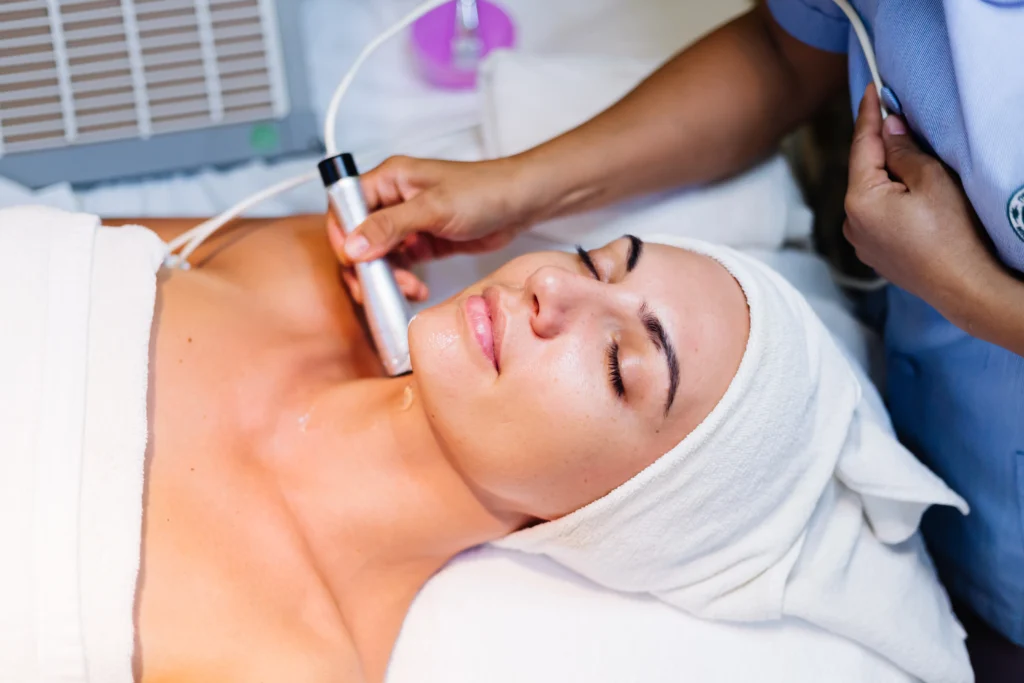
When you invest time and money into cosmetic procedures or professional facial treatments, the journey to radiant skin doesn’t end when you leave the clinic. The weeks following any skin treatment represent a critical window where proper post procedure skin care can make the difference between mediocre results and truly transformative outcomes. Whether you’ve undergone laser resurfacing, chemical peels, microneedling, injectables, or a luxurious facial, understanding how to nurture your skin during recovery is essential for achieving that coveted healthy glow.
Understanding the Importance of After Treatment Skincare
Your skin is remarkably resilient, yet it’s also vulnerable immediately following cosmetic procedures. During this recovery period, your skin barrier may be compromised, sensitivity levels increase, and the risk of complications like infection or hyperpigmentation rises significantly. This is precisely why after treatment skincare isn’t just recommended; it’s absolutely crucial for protecting your investment and ensuring optimal healing.
Think of post facial care as the foundation upon which your treatment results are built. Even the most advanced cosmetic procedures can fall short of expectations if the recovery phase is mismanaged. Conversely, diligent attention to skincare after cosmetic procedures can enhance results, minimize downtime, and help you maintain that fresh, rejuvenated appearance for months or even years to come.
The Golden Rules of Recovery Skincare Routine
Creating an effective recovery skincare routine begins with understanding several universal principles that apply across most treatments. First and foremost, simplicity becomes your greatest ally during the healing process. This isn’t the time to experiment with ten-step routines or introduce new active ingredients. Your compromised skin barrier needs gentle, supportive care rather than aggressive interventions.
Hydration emerges as the cornerstone of post procedure skin care. Treated skin often experiences transepidermal water loss at elevated rates, leading to dryness, flakiness, and discomfort. Incorporating fragrance-free, hypoallergenic moisturizers multiple times daily helps maintain optimal hydration levels and supports the skin’s natural repair mechanisms. Look for formulations containing ceramides, hyaluronic acid, and peptides, which work synergistically to rebuild the protective barrier while delivering deep moisture.
Sun protection transforms from important to absolutely non-negotiable during recovery. Post-treatment skin exhibits heightened photosensitivity, making it extraordinarily vulnerable to UV damage. Even brief sun exposure can trigger unwanted pigmentation changes, inflammation, or scarring that undermines your treatment results. Broad-spectrum SPF 30 or higher should be applied liberally every two hours when outdoors, supplemented with physical barriers like wide-brimmed hats and protective clothing.
Tailoring Your Approach to Different Procedures
While general principles provide a foundation, effective skincare after cosmetic procedures requires customization based on the specific treatment received. Ablative procedures like deep chemical peels or CO2 laser resurfacing create controlled wounds that demand intensive care. During the initial days, your focus shifts to preventing infection and managing oozing or crusting. Gentle cleansing with lukewarm water, application of prescribed ointments, and avoiding makeup become paramount.
Non-ablative treatments such as microneedling or light laser sessions typically involve less dramatic recovery but still require mindful after-care. These procedures create microscopic channels or controlled heating in the skin, triggering collagen production and cellular renewal. Supporting this natural healing cascade through adequate hydration, gentle cleansing, and strategic use of growth factors or peptide serums can significantly amplify results.
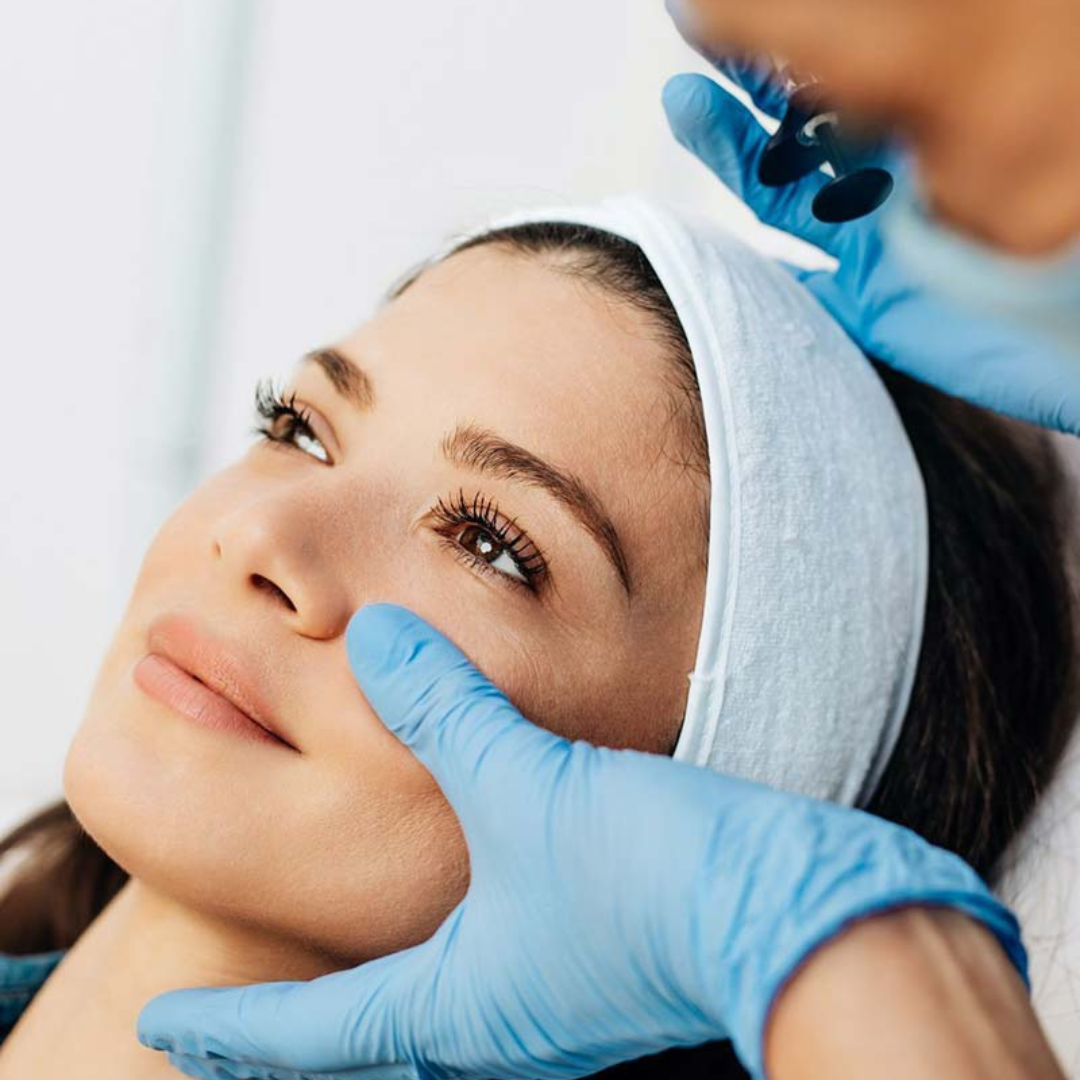
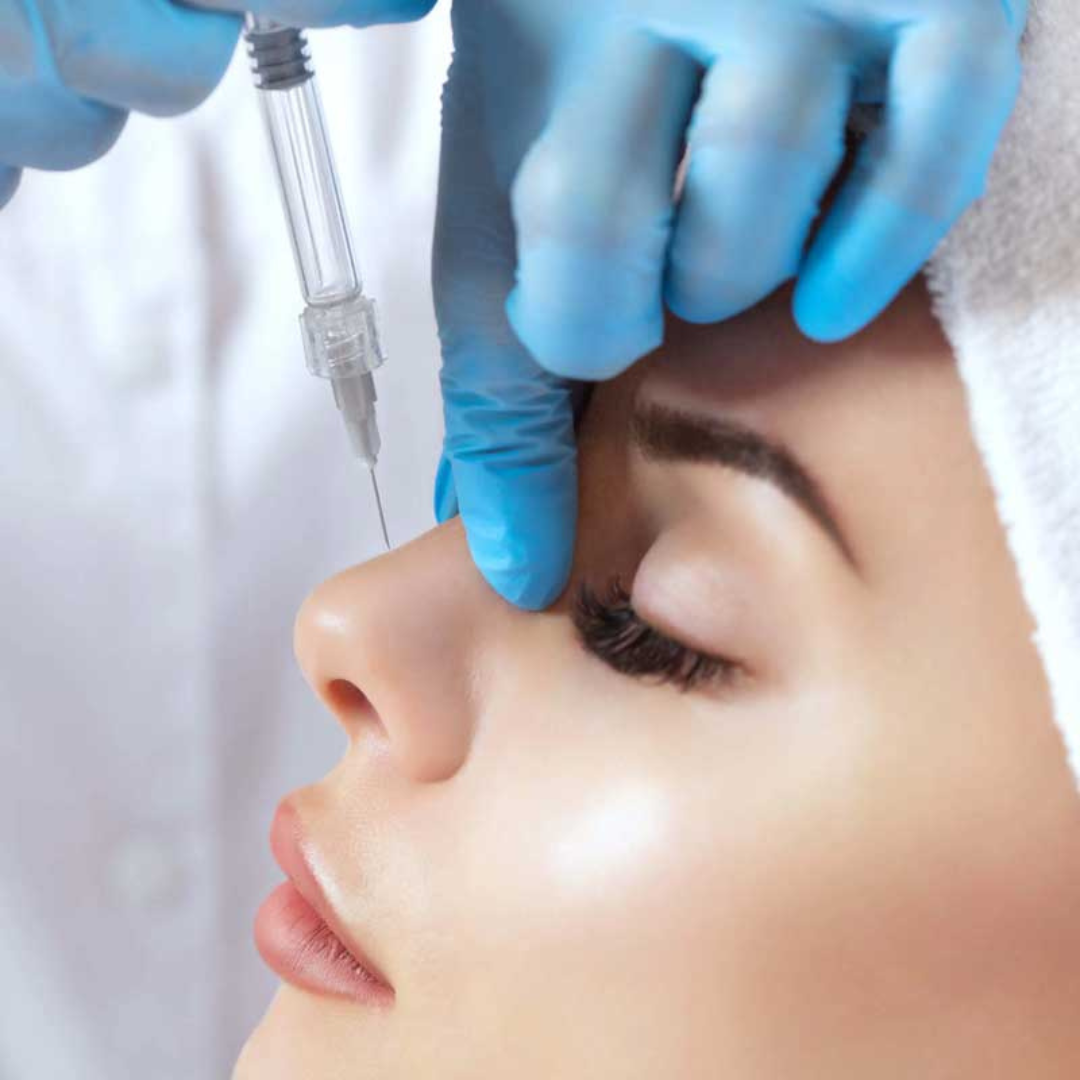
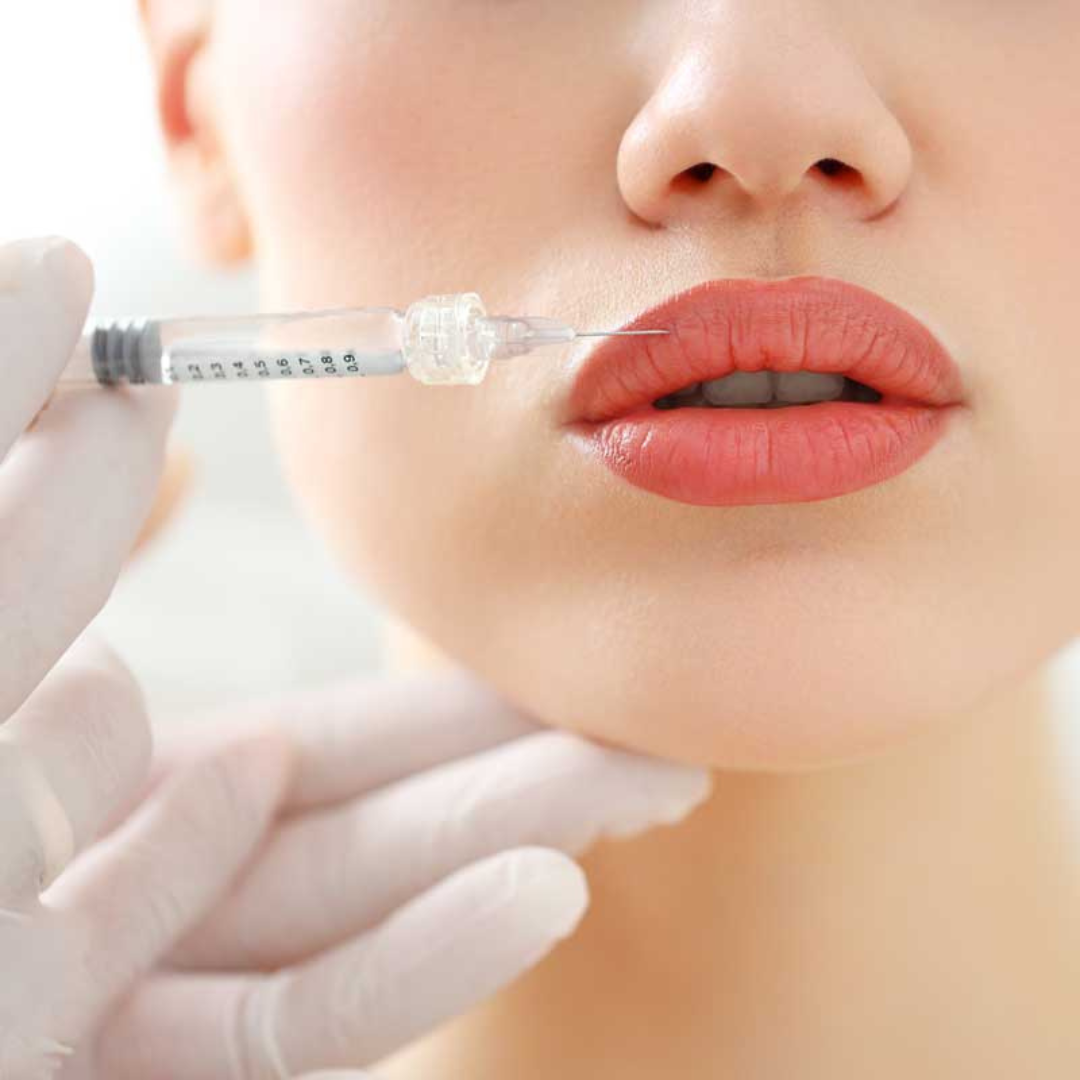
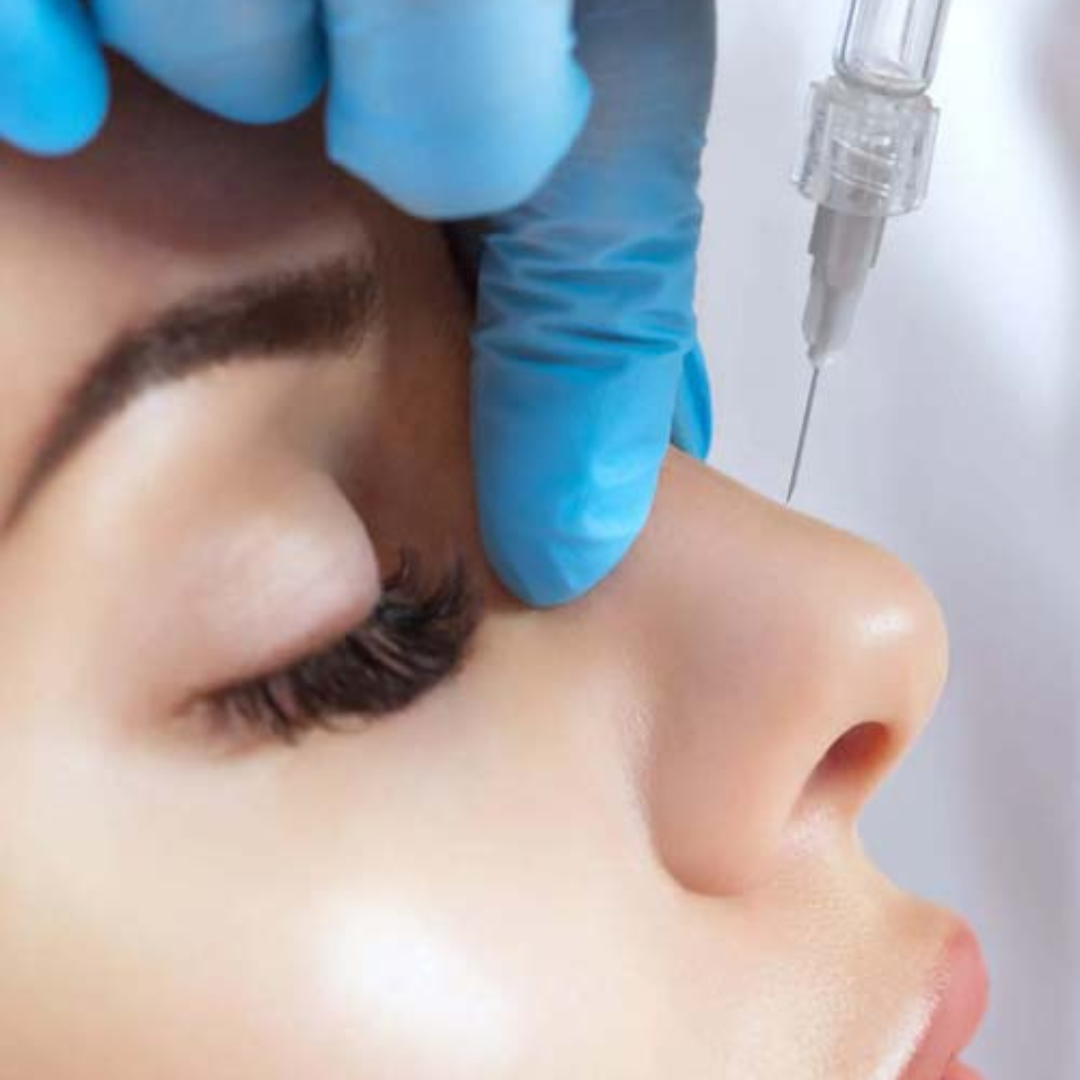
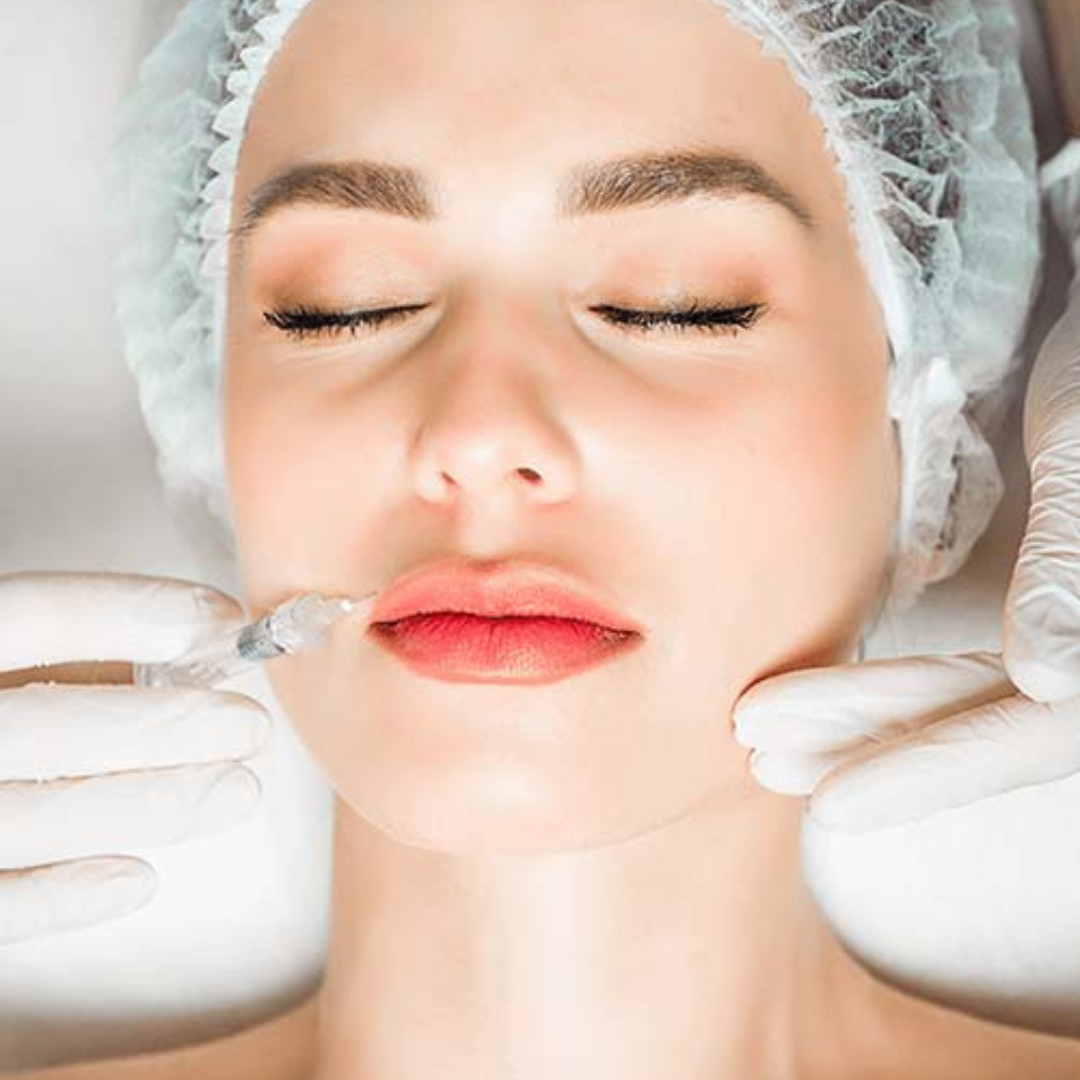
Injectable treatments like dermal fillers or neuromodulators demand their own unique post facial care protocols. While these procedures don’t typically compromise the skin barrier, they require careful handling to prevent product migration, bruising, or swelling. Avoiding strenuous exercise, excessive heat exposure, and facial massage for the first 24 to 48 hours helps ensure optimal product placement and reduces complication risks.
Building Your Post-Treatment Product Arsenal
Constructing an effective recovery skincare routine means selecting products that support healing without overwhelming sensitive skin. Gentle, pH-balanced cleansers form the foundation, removing impurities without stripping natural oils. Avoid formulations containing sulfates, fragrances, or harsh surfactants that could irritate compromised skin. Micellar water or creamy, non-foaming cleansers often work beautifully during early recovery stages.
Serums enriched with growth factors, antioxidants, and hydrating compounds can accelerate healing when introduced at appropriate times. Vitamin C serums, for instance, combat free radical damage and support collagen synthesis, but timing their reintroduction requires care. Generally, waiting until any active peeling or significant redness subsides ensures these potent ingredients help rather than harm.
Moisturizers should be rich yet non-comedogenic, providing sustained hydration without clogging recovering pores. Ingredients like squalane, niacinamide, and centella asiatica offer anti-inflammatory benefits while strengthening the skin barrier. Layering lighter serums under heavier creams creates a moisture sandwich that locks in hydration throughout the day and night.
Navigating Common Recovery Challenges
Even with meticulous after treatment skincare, challenges can arise during the healing process. Itching represents one of the most common complaints, signaling active tissue repair but testing patience considerably. Resist the urge to scratch, as this can introduce bacteria or damage newly formed tissue. Instead, apply cool compresses or soothing moisturizers containing colloidal oatmeal or aloe vera to calm irritation.
Unexpected breakouts sometimes occur following facial treatments, particularly those involving occlusive products or increased cellular turnover. This purging process, while frustrating, often indicates accelerated removal of underlying congestion. Maintain your gentle routine, avoid picking or aggressive spot treatments, and trust the process. Most purging resolves within a few weeks as skin completes its renewal cycle.
Hyperpigmentation concerns may emerge, especially in individuals with darker skin tones or those who received insufficient sun protection. If you notice darkening patches developing, immediately intensify photoprotection measures and consult your provider about incorporating gentle brightening ingredients like tranexamic acid or arbutin once the initial healing phase concludes.
The Long-Term Skin Wellness Perspective
Successful post procedure skin care extends far beyond the immediate recovery window. Maintaining your results requires ongoing commitment to skin wellness principles that support long-term health and vitality. This means continuing sun protection religiously, as UV exposure remains the primary driver of premature aging and can quickly undo the benefits of cosmetic procedures.
Establishing a sustainable daily routine that balances active ingredients with nourishing support keeps skin functioning optimally. As your skin fully recovers, gradually reintroducing proven anti-aging ingredients like retinoids, alpha hydroxy acids, or vitamin C helps maintain the improvements achieved through treatment while encouraging continued renewal.
Regular professional maintenance also plays a vital role in preserving results. Depending on your procedure, follow-up treatments at strategic intervals can extend benefits and address new concerns before they become pronounced. Many providers recommend quarterly or biannual sessions to maintain optimal skin quality and address the ongoing effects of aging and environmental exposure.
Creating Habits That Support Radiant Skin
Beyond topical interventions, lifestyle factors profoundly influence healing and long-term skin health. Adequate hydration from within supports cellular function and helps maintain skin plumpness and elasticity. Aim for at least eight glasses of water daily, increasing intake during recovery when skin may lose moisture more rapidly.
Nutrition provides the building blocks for tissue repair and collagen synthesis. Prioritize foods rich in antioxidants, omega-3 fatty acids, and vitamin C, which combat inflammation and support healing. Colorful fruits and vegetables, fatty fish, nuts, and seeds should feature prominently in your diet during recovery and beyond.
Sleep quality directly impacts skin regeneration, as cellular repair processes peak during deep sleep stages. Prioritizing seven to nine hours nightly gives your body adequate time to heal and regenerate, maximizing the benefits of your cosmetic procedures and supporting overall skin wellness.
Empowering Your Journey to Lasting Results
The path to maintaining healthy, glowing skin after cosmetic procedures is both an art and a science. It requires patience, consistency, and a willingness to listen to your skin’s unique needs throughout the recovery process. Remember that healing timelines vary considerably between individuals based on factors like age, skin type, procedure intensity, and overall health status.
Your partnership with skincare professionals doesn’t end when treatment concludes. Maintain open communication with your provider, reporting any concerns promptly and attending all recommended follow-up appointments. These check-ins allow for timely interventions if complications arise and provide opportunities to optimize your routine based on how your skin responds.
Ultimately, viewing post procedure skin care as an investment rather than an inconvenience shifts your perspective and commitment level. The dedication you bring to your recovery skincare routine directly correlates with the quality and longevity of your results. By embracing these principles and making skin wellness a priority, you position yourself to enjoy the full benefits of your treatments while maintaining that healthy, radiant glow for years to come.
Frequently Asked Questions
How long should I wait before resuming my normal skincare routine after a cosmetic procedure?
The timeline for reintroducing your regular products varies significantly based on the procedure type and intensity. For light treatments like hydrafacials or gentle peels, you might resume most products within three to five days. More aggressive procedures like deep chemical peels or ablative lasers may require two to four weeks before gradually reintroducing active ingredients. Always follow your provider’s specific instructions and reintroduce products one at a time to monitor for adverse reactions. When in doubt, err on the side of caution and maintain a simplified routine longer rather than rushing the process.
Can I wear makeup during the recovery period?
Makeup application during recovery depends on the procedure performed and how far along you are in the healing process. For most non-ablative treatments, mineral-based makeup can typically be worn after 24 hours, though many providers recommend waiting longer to minimize infection risk and allow optimal healing. Ablative procedures generally require complete makeup avoidance until all peeling concludes and the skin barrier fully restores, which may take one to three weeks. When you do resume makeup application, choose non-comedogenic, mineral-based formulations free from fragrances and potential irritants.
What should I do if I experience unexpected redness, swelling, or pain?
While some redness, swelling, and mild discomfort are expected after most procedures, certain signs warrant immediate professional attention. Contact your provider if you experience severe or worsening pain, significant swelling that persists beyond expected timeframes, fever, oozing with foul odor, increasing warmth around the treatment area, or rash development. These symptoms could indicate infection or adverse reaction requiring prompt intervention. Never hesitate to reach out with concerns; providers prefer addressing issues early before they escalate into more serious complications.
How can I prevent hyperpigmentation after treatment?
Preventing post-inflammatory hyperpigmentation requires diligent sun protection starting immediately after treatment and continuing indefinitely. Apply broad-spectrum SPF 30 or higher every two hours during sun exposure, wear protective clothing and hats, and avoid peak sun hours when possible. Individuals with darker skin tones face elevated hyperpigmentation risks and should discuss preventive strategies with their provider, potentially including prescription-strength brightening agents. Additionally, avoiding picking at peeling skin, maintaining gentle skincare practices, and managing inflammation through proper after-care all reduce pigmentation risks.
When will I see the final results from my procedure?
Result timelines vary dramatically depending on the treatment type and your individual healing capacity. Some benefits from procedures like hydrafacials or light chemical peels appear immediately, though optimal results emerge after a few days once any redness subsides. Treatments stimulating collagen production, such as microneedling or laser resurfacing, require patience as improvements develop gradually over three to six months as new collagen forms. Injectable treatments show immediate volume restoration, though final positioning and integration take about two weeks. Your provider can give you specific timelines based on your particular procedure and realistic expectations for your unique situation.
How DrFace Can Help
Navigating the complexities of post procedure skin care becomes significantly easier with expert guidance and personalized support. DrFace specializes in comprehensive after treatment skincare protocols tailored to your specific procedure and unique skin needs. Our team understands that every cosmetic treatment requires a customized recovery approach, and we’re committed to helping you achieve optimal results while minimizing complications.
Whether you’ve undergone laser treatments, chemical peels, injectables, or facial procedures, DrFace provides evidence-based recovery skincare routines designed to accelerate healing and enhance outcomes. Our skincare professionals work closely with you to develop a step-by-step plan that addresses your concerns, answers your questions, and adjusts as your skin progresses through different healing stages.
Beyond the immediate recovery period, DrFace supports your long-term skin wellness journey with maintenance programs that preserve and extend your treatment results. We offer professional-grade products specifically formulated for post-treatment skin, ongoing consultations to monitor your progress, and advanced treatments that complement your initial procedures. With DrFace as your partner in skincare after cosmetic procedures, you can feel confident that your skin is receiving the expert care it deserves, ensuring that healthy, glowing complexion you’ve invested in remains radiant for years to come.