Mental Health During Facial Surgery Recovery

Undergoing facial surgery is a significant decision that extends far beyond the physical transformation. While many patients focus primarily on the anticipated aesthetic outcomes, the emotional and psychological journey during recovery deserves equal attention. Understanding mental health post-surgery is crucial for achieving the best possible results and maintaining overall well-being throughout the healing process.
The connection between physical recovery and emotional wellness cannot be overstated. Moreover, recognizing the psychological effects of facial surgery helps patients prepare mentally and develop effective coping strategies. This comprehensive guide explores the emotional landscape of surgical recovery and provides practical tools for maintaining mental health during this transformative period.
Understanding the Psychological Effects of Facial Surgery
Facial surgery triggers a complex array of emotional responses that many patients find unexpected. Initially, the immediate post-operative period often brings feelings of vulnerability and dependency. Furthermore, patients may experience a temporary disconnect between their expectations and their current appearance during the healing phase.
The psychological effects manifest differently for each individual. Some patients report feelings of anxiety about the healing process, while others experience temporary depression or emotional sensitivity. Additionally, the physical discomfort and necessary lifestyle restrictions can intensify these emotional responses. Understanding that these feelings are normal and temporary helps patients navigate the recovery journey with greater confidence.
Research indicates that approximately 60-70% of cosmetic surgery patients experience some form of emotional fluctuation during recovery. Therefore, acknowledging these psychological aspects beforehand allows for better preparation and more realistic expectations. Mental health professionals emphasize that emotional recovery progresses alongside physical healing, requiring patience and self-compassion.
The Impact on Self-Esteem and Body Image
Self-esteem undergoes a unique transformation during facial surgery recovery. Paradoxically, many patients experience a temporary dip in confidence despite pursuing surgery to enhance their appearance. This occurs because the initial post-surgical appearance differs significantly from both the pre-surgery look and the anticipated final result.
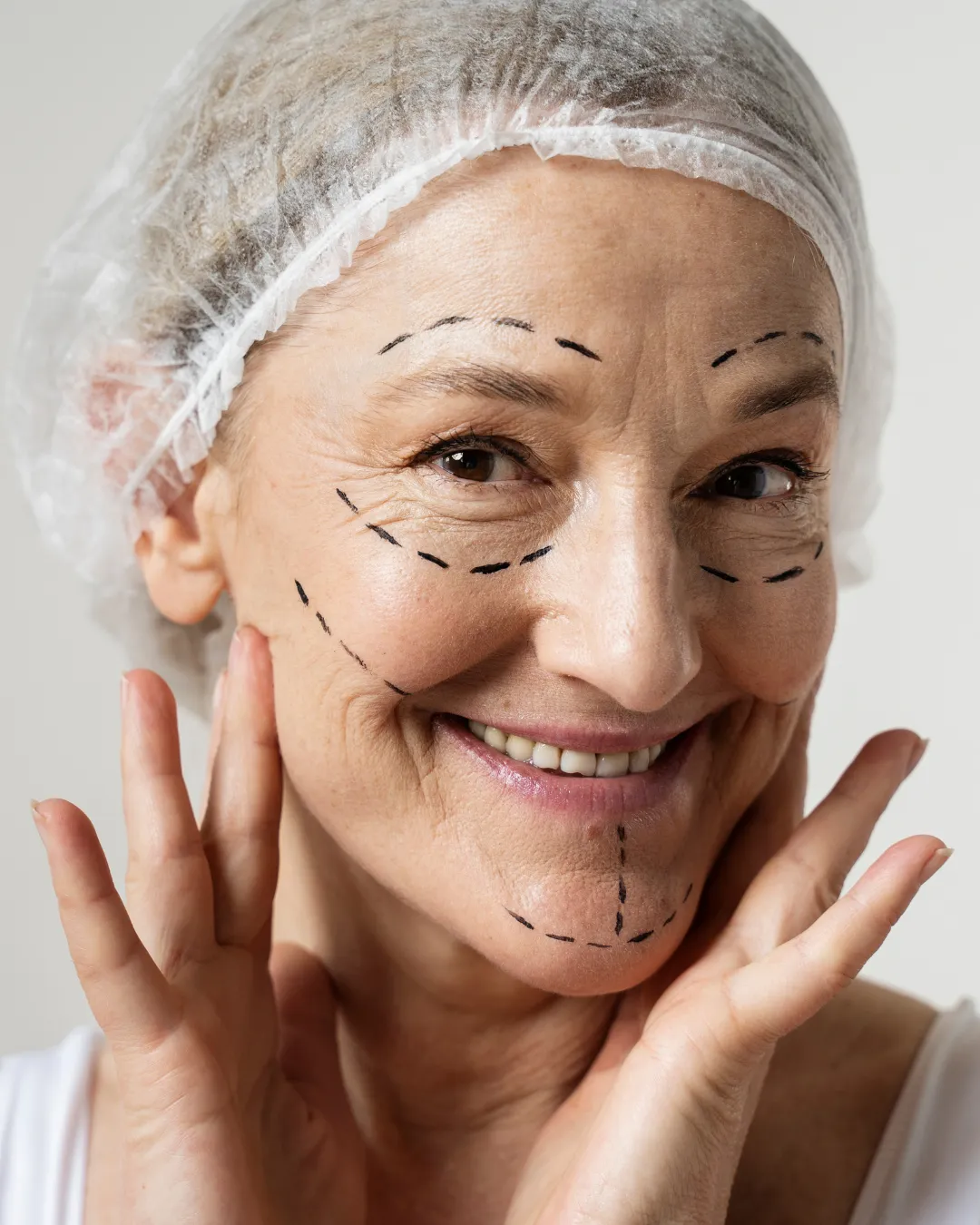
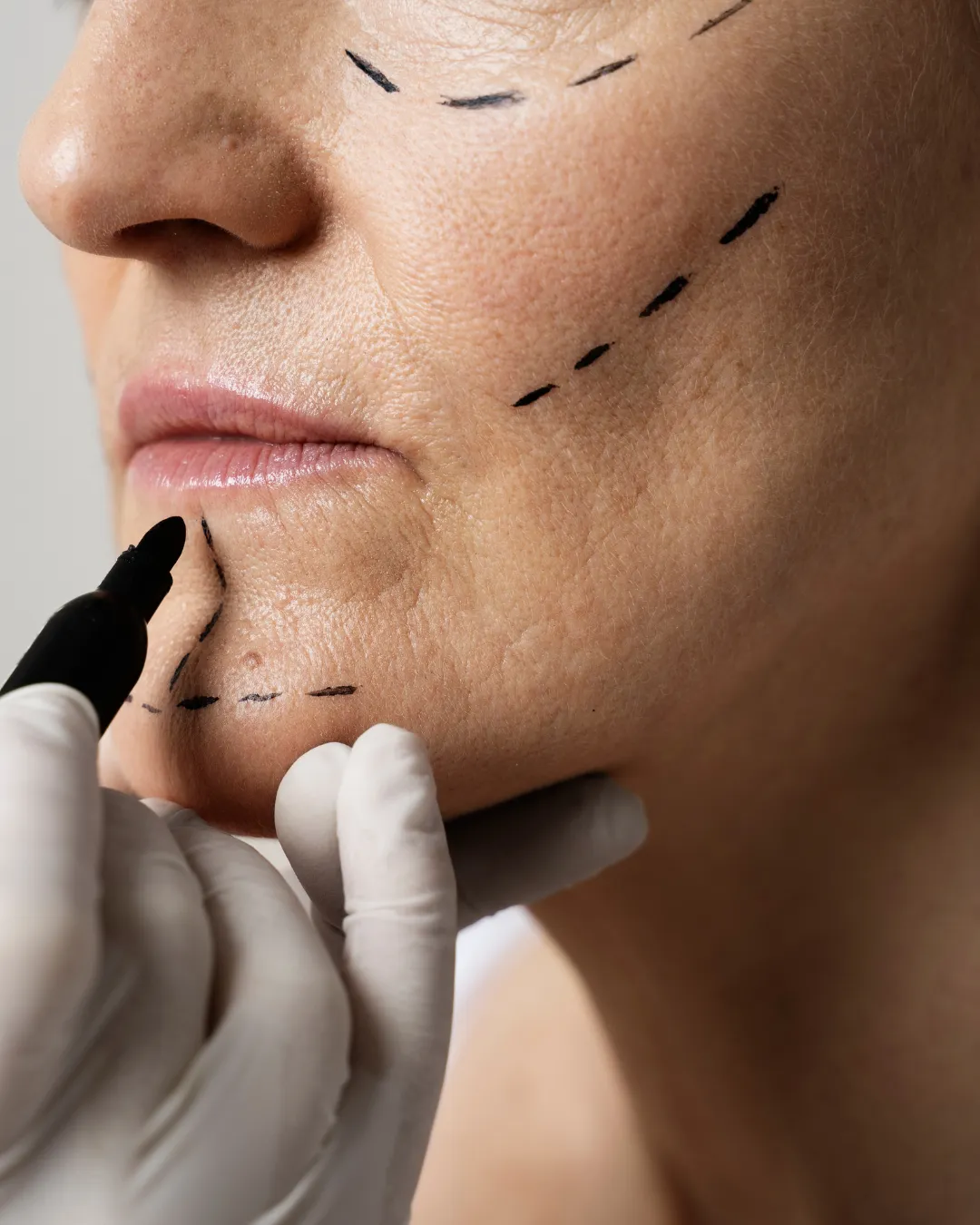
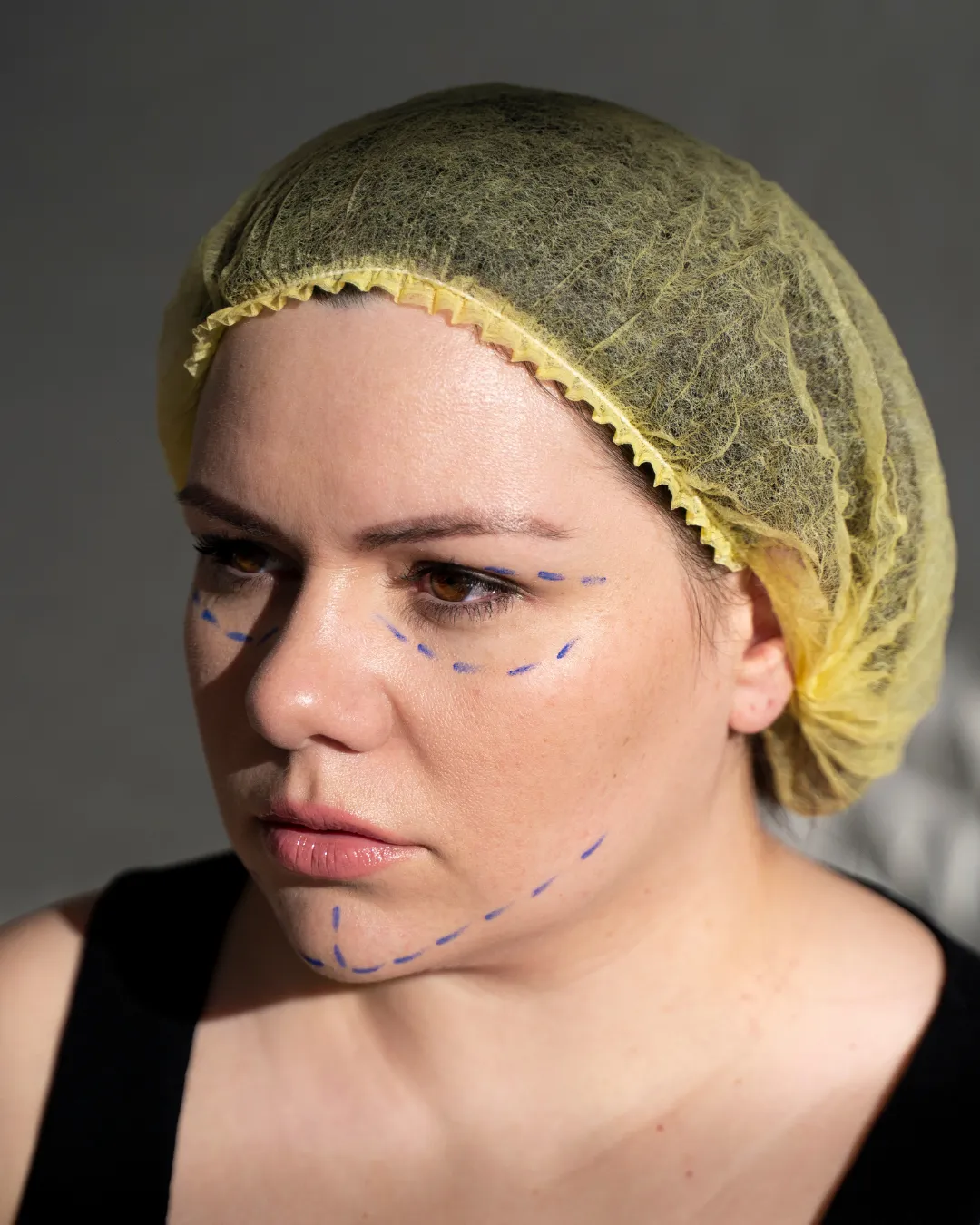
During the first few weeks, swelling, bruising, and surgical marks can challenge a patient’s body image. Consequently, some individuals avoid mirrors or social situations, fearing judgment or unwanted questions. These reactions are entirely natural and represent a normal part of the emotional recovery process.
However, as healing progresses and results become visible, self-esteem typically improves substantially. Most patients report increased confidence and satisfaction once the final outcomes emerge. Nevertheless, the interim period requires emotional resilience and realistic expectations. Setting appropriate timelines for recovery helps manage these fluctuations in self-perception.
Coping with Surgery Recovery: Practical Strategies
Developing effective coping mechanisms significantly improves the recovery experience. First and foremost, establishing a support system proves invaluable during this time. Whether through family, friends, or support groups, having trusted individuals to share concerns with reduces feelings of isolation.
Additionally, maintaining a structured daily routine provides stability and purpose during recovery. Simple activities like gentle walks, reading, or pursuing hobbies within physical limitations help maintain mental engagement. Furthermore, these activities distract from discomfort and accelerate the perception of time passing.
Mindfulness and relaxation techniques also play a crucial role in coping with surgery recovery. Practices such as deep breathing exercises, meditation, or guided imagery reduce anxiety and promote healing. Moreover, these techniques can be practiced anywhere and require no special equipment, making them accessible tools for managing stress.
Managing Expectations and Reality
One of the most critical aspects of post-surgery mental health involves aligning expectations with reality. Patients often envision immediate, dramatic transformations, yet healing occurs gradually over weeks and months. Therefore, understanding the realistic timeline prevents disappointment and reduces anxiety.
Swelling, for instance, can persist for several weeks or even months depending on the procedure. Similarly, final results may not be fully apparent for up to a year in some cases. Accepting this reality helps patients remain patient and positive throughout the recovery process.
Communication with the surgical team about expected milestones proves essential. Regular follow-up appointments provide reassurance and allow professionals to address concerns promptly. Furthermore, documenting progress through photographs can help patients recognize improvements that might otherwise seem subtle on a daily basis.
The Role of Social Support in Emotional Recovery
Social connections profoundly influence emotional recovery after facial surgery. However, managing social interactions requires thoughtful consideration during the healing period. Some patients prefer privacy initially, while others find comfort in sharing their journey with trusted friends and family.
Online support communities offer valuable resources for connecting with others undergoing similar experiences. These platforms allow patients to share concerns, exchange tips, and receive encouragement from individuals who truly understand the recovery process. Additionally, these communities provide 24/7 access to support, which can be particularly helpful during challenging moments.
Setting boundaries around social media and public appearances also protects mental health during recovery. Patients should feel empowered to take breaks from social platforms or limit their visibility until they feel comfortable. Remember, recovery is a personal journey that doesn’t require public documentation or explanation.
Recognizing Warning Signs of Post-Surgery Depression
While temporary emotional fluctuations are normal, recognizing signs of more serious mental health concerns is crucial. Post-surgery depression differs from typical recovery blues and requires professional attention. Warning signs include persistent sadness lasting more than two weeks, loss of interest in previously enjoyed activities, or significant changes in sleep and appetite.
Additionally, excessive worry about surgical outcomes, obsessive checking of appearance, or social withdrawal may indicate developing mental health challenges. These symptoms shouldn’t be dismissed as mere adjustment difficulties. Instead, they warrant discussion with healthcare providers who can offer appropriate support and interventions.
Early intervention significantly improves outcomes for patients experiencing post-surgery mental health challenges. Therefore, maintaining open communication with both surgical and mental health professionals ensures comprehensive care. Remember, seeking help demonstrates strength and commitment to overall wellness, not weakness.
Building Resilience Throughout Recovery
Psychological recovery strengthens through intentional resilience-building practices. Setting small, achievable goals throughout the recovery period provides a sense of accomplishment and progress. These goals might include gradual increases in activity, reaching specific healing milestones, or resuming favorite activities as cleared by medical professionals.
Practicing self-compassion represents another essential component of resilience. Recovery rarely follows a perfectly linear path, and setbacks or slower-than-expected progress can occur. Instead of self-criticism, patients benefit from treating themselves with the same kindness they would offer a friend facing similar challenges.
Moreover, maintaining perspective helps navigate difficult moments. Remembering the reasons for pursuing surgery and visualizing the desired outcome provides motivation during challenging phases. Many patients find journaling helpful for processing emotions and tracking both physical and emotional progress throughout recovery.
How DrFace Can Help
At DrFace, we recognize that successful facial surgery extends far beyond technical excellence. Our comprehensive approach integrates physical and emotional care throughout your surgical journey. From your initial consultation through complete recovery, our team provides personalized support addressing both aesthetic goals and mental well-being.
Our patient care coordinators offer pre-surgery counseling to help set realistic expectations and prepare mentally for the recovery process. Furthermore, we provide detailed recovery guides outlining what to expect emotionally and physically at each stage. This preparation significantly reduces anxiety and helps patients feel more in control of their experience.
Throughout recovery, our team remains accessible for questions and concerns. We schedule regular follow-up appointments to monitor physical healing while also checking in on emotional well-being. Additionally, we can connect patients with mental health professionals specializing in surgical recovery if additional support is needed.
Our approach emphasizes the connection between mental health post-surgery and optimal outcomes. When patients feel supported emotionally, they experience less stress, which promotes better healing. Moreover, confident, well-informed patients engage more actively in their recovery, following care instructions more consistently and achieving superior results.
We also facilitate connections between patients who’ve undergone similar procedures, creating a supportive community. These connections often provide invaluable reassurance and practical advice from individuals who’ve successfully navigated the recovery journey. This peer support complements our professional guidance, creating a comprehensive support network.
Schedule Your Consultation Today
Taking the first step toward your aesthetic goals begins with understanding all aspects of the surgical journey, including emotional considerations. Our consultations provide a judgment-free environment where you can discuss concerns, expectations, and questions about both physical and mental health during recovery.
During your consultation, we’ll conduct a thorough assessment of your goals and create a customized treatment plan. More importantly, we’ll discuss the emotional aspects of recovery, ensuring you feel fully prepared for the journey ahead. Our transparent approach means you’ll understand exactly what to expect at every stage.
We believe informed patients experience better outcomes and greater satisfaction. Therefore, we dedicate substantial time to education and preparation during consultations. You’ll leave with comprehensive knowledge about your procedure, recovery timeline, and strategies for maintaining mental wellness throughout the process.
Ready to begin your transformation with a team that prioritizes your complete well-being? Contact DrFace today to schedule your consultation. Our experienced professionals are committed to supporting both your aesthetic goals and emotional health throughout your surgical journey.
Call us at (949) 831- 5900 or visit our website to book your appointment. We look forward to partnering with you to achieve the results you desire while ensuring a positive, supported recovery experience.
Frequently Asked Questions
Q: How long do emotional side effects typically last after facial surgery?
A: Most emotional fluctuations resolve within 4-6 weeks as physical healing progresses and results become visible. However, complete emotional adjustment may take 3-6 months as patients fully adapt to their new appearance. Persistent symptoms beyond this timeframe should be discussed with healthcare providers.
Q: Is it normal to feel regret immediately after surgery?
A: Yes, temporary regret or “buyer’s remorse” is surprisingly common, affecting approximately 30-40% of patients in the first week post-surgery. This typically stems from discomfort, swelling, and the dramatic change. These feelings usually resolve as healing progresses and you begin recognizing the positive changes.
Q: Should I hide my surgery from friends and family?
A: This is a personal decision. However, having a support system generally improves emotional recovery. Consider sharing with trusted individuals who can provide practical and emotional support during recovery. You can always control the broader disclosure timeline based on your comfort level.
Q: When should I seek professional help for post-surgery mental health concerns?
A: Seek professional support if you experience depression lasting more than two weeks, persistent anxiety interfering with daily life, obsessive thoughts about your appearance, or any thoughts of self-harm. Additionally, if emotional symptoms worsen rather than improve over time, professional intervention is recommended.
Q: Can I take antidepressants or anti-anxiety medication during recovery?
A: Always consult both your surgeon and prescribing physician before starting, stopping, or continuing mental health medications around surgery. Many medications are safe during recovery, but timing and potential interactions must be carefully managed by qualified professionals.
Q: How can I maintain positivity when results aren’t immediately visible?
A: Focus on weekly rather than daily changes, keep a photo journal to track subtle improvements, connect with others who’ve undergone similar procedures, practice gratitude for aspects of recovery going well, and maintain perspective that healing is a process requiring patience.
Conclusion
Mental health during facial surgery recovery represents a crucial component of the overall surgical experience. By understanding the psychological effects, developing effective coping strategies, and accessing appropriate support, patients can navigate the emotional landscape of recovery successfully. Remember, emotional healing progresses alongside physical recovery, requiring patience, self-compassion, and realistic expectations.
The journey toward your aesthetic goals encompasses both physical transformation and emotional growth. With proper preparation, strong support systems, and professional guidance, you can maintain positive mental health throughout recovery and achieve the outcomes you desire. Your well-being matters at every stage of this journey, and prioritizing mental health ensures the best possible experience and results.