Is Non-Surgical Facelift Really Effective?
Introduction: The Non-Surgical Facelift Promise
The term “non-surgical facelift” has exploded in popularity, promising youthful results without incisions, anesthesia, or extended recovery. Thread lifts, injectable “liquid facelifts,” energy-based skin tightening, and various combination approaches all market themselves as surgical alternatives delivering comparable outcomes. But do these treatments really work? Can they truly replace traditional facelifts, or does the marketing exceed the reality?
The honest answer proves more nuanced than simple yes or no. Non-surgical facelift options can absolutely deliver meaningful improvements but for the right candidates, with realistic expectations, and when performed expertly. They don’t replace surgery for everyone, nor do they produce identical results to surgical facelifts. However, for appropriate patients seeking specific types of enhancement, non-surgical approaches offer impressive outcomes without surgical commitment.
This comprehensive guide examines the effectiveness of various non-surgical facelift options objectively. Moreover, you’ll discover what these treatments actually accomplish versus marketing claims, who benefits most from non-surgical approaches, when surgery remains the better choice, and how to evaluate whether non-surgical options suit your specific situation. Whether you’re avoiding surgery due to fear, budget, or preference for less invasive options, this honest analysis empowers informed decisions about pursuing non-surgical facial rejuvenation.
Understanding “Non-Surgical Facelift” Options
Thread Lifts: The Most Direct Alternative
Thread lifts represent the closest non-surgical alternative to traditional facelifts. These procedures involve inserting temporary sutures beneath skin to lift and support sagging tissues. The threads typically feature tiny barbs or cones that anchor into tissue, creating immediate lifting while stimulating collagen production over time.
What thread lifts actually do: They provide subtle to moderate lifting of sagging tissues, particularly in midface and jowl areas. The mechanical lift from thread placement offers immediate improvement, while the body’s healing response to threads creates additional tightening over subsequent months. Results typically last 12-18 months as threads gradually dissolve.
What they don’t do: Thread lifts cannot remove excess skin, create dramatic transformation comparable to surgery, or produce permanent results. They work best for mild to moderate laxity in patients with good skin quality. Attempting to address severe sagging with threads often produces disappointing outcomes.
Effectiveness verdict: For appropriate candidates typically patients in their 30s through early 50s with mild sagging and good skin elasticity thread lifts deliver noticeable, natural-looking improvements. However, they’re enhancers rather than replacements for surgery when significant lifting is needed.
Liquid Facelifts: Strategic Injectable Placement
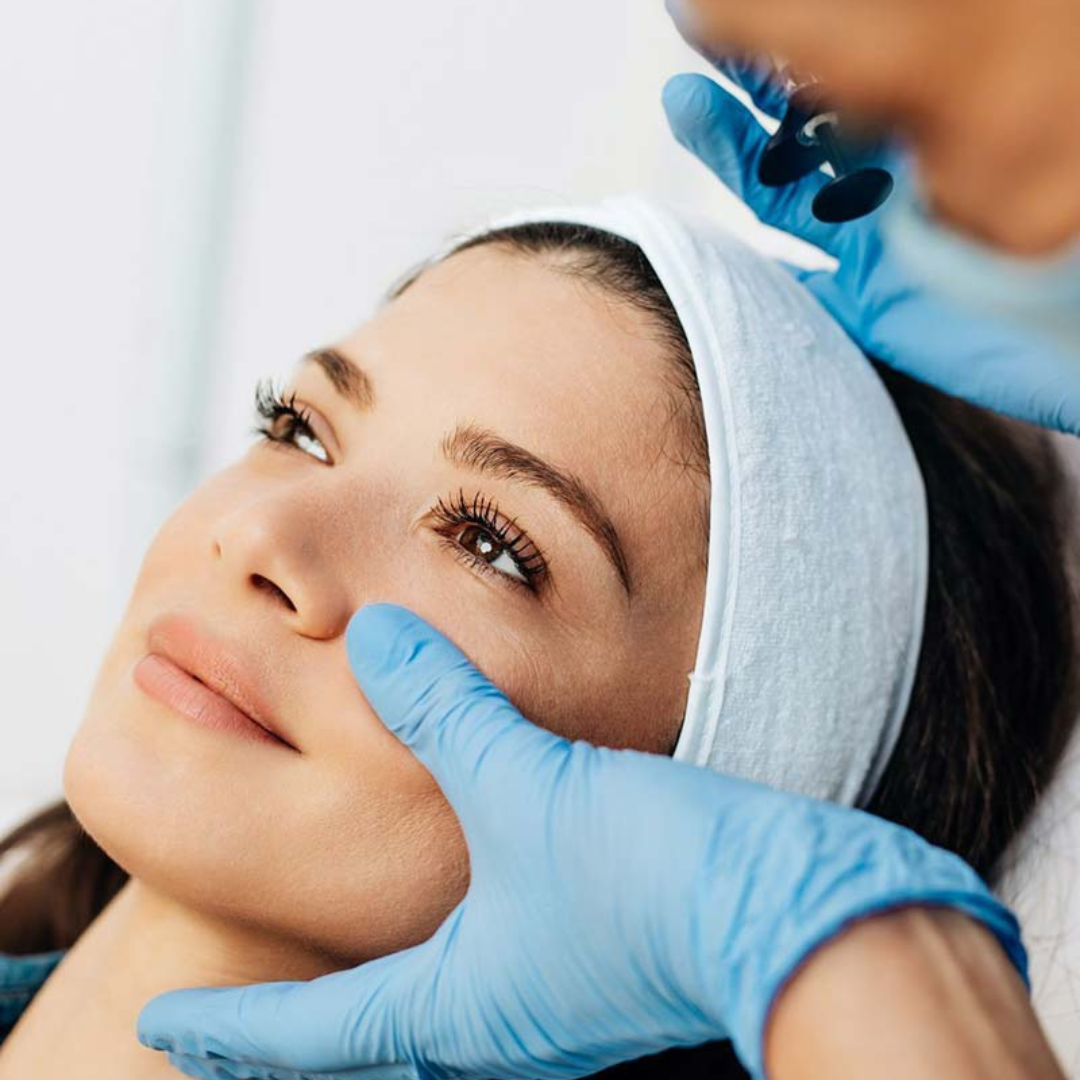
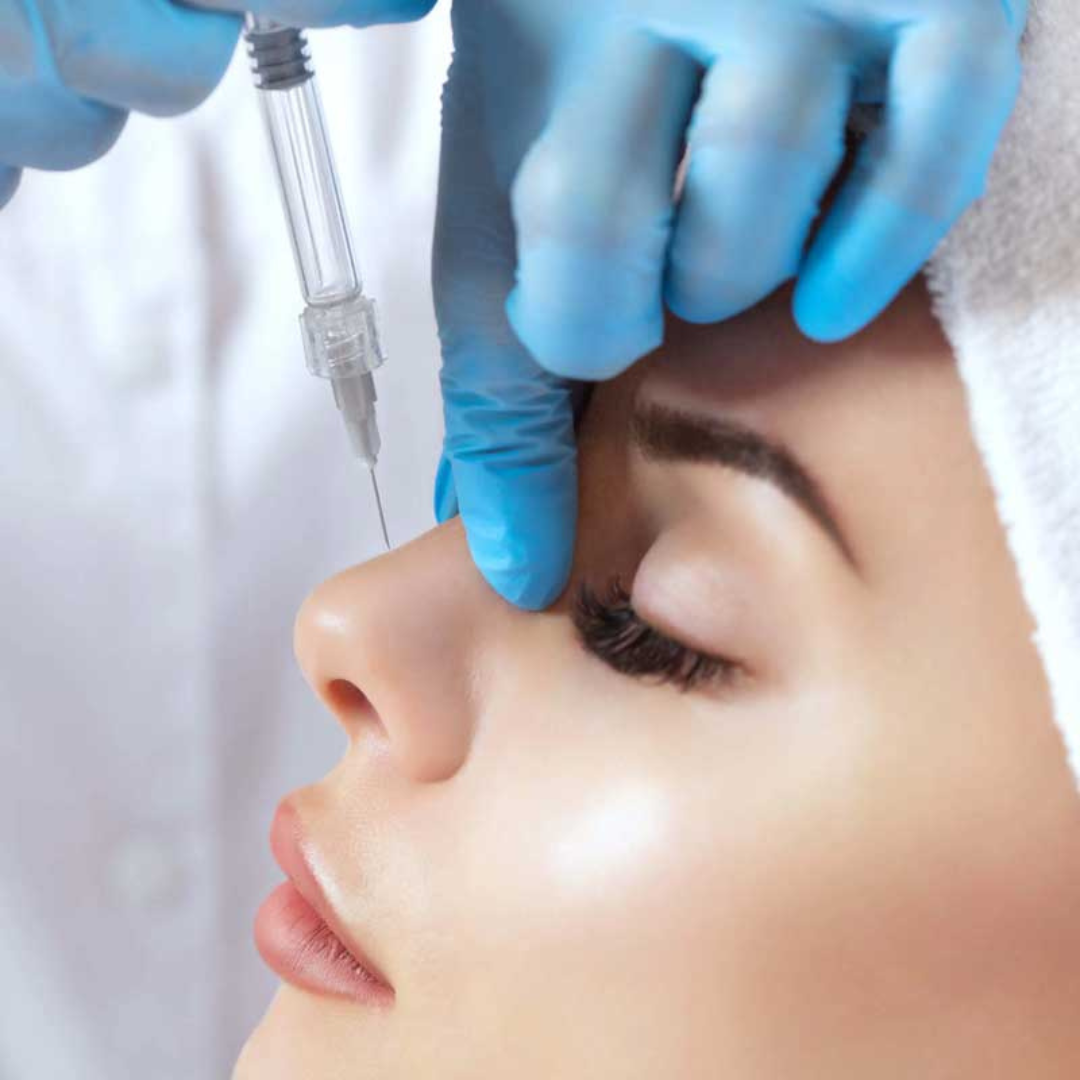
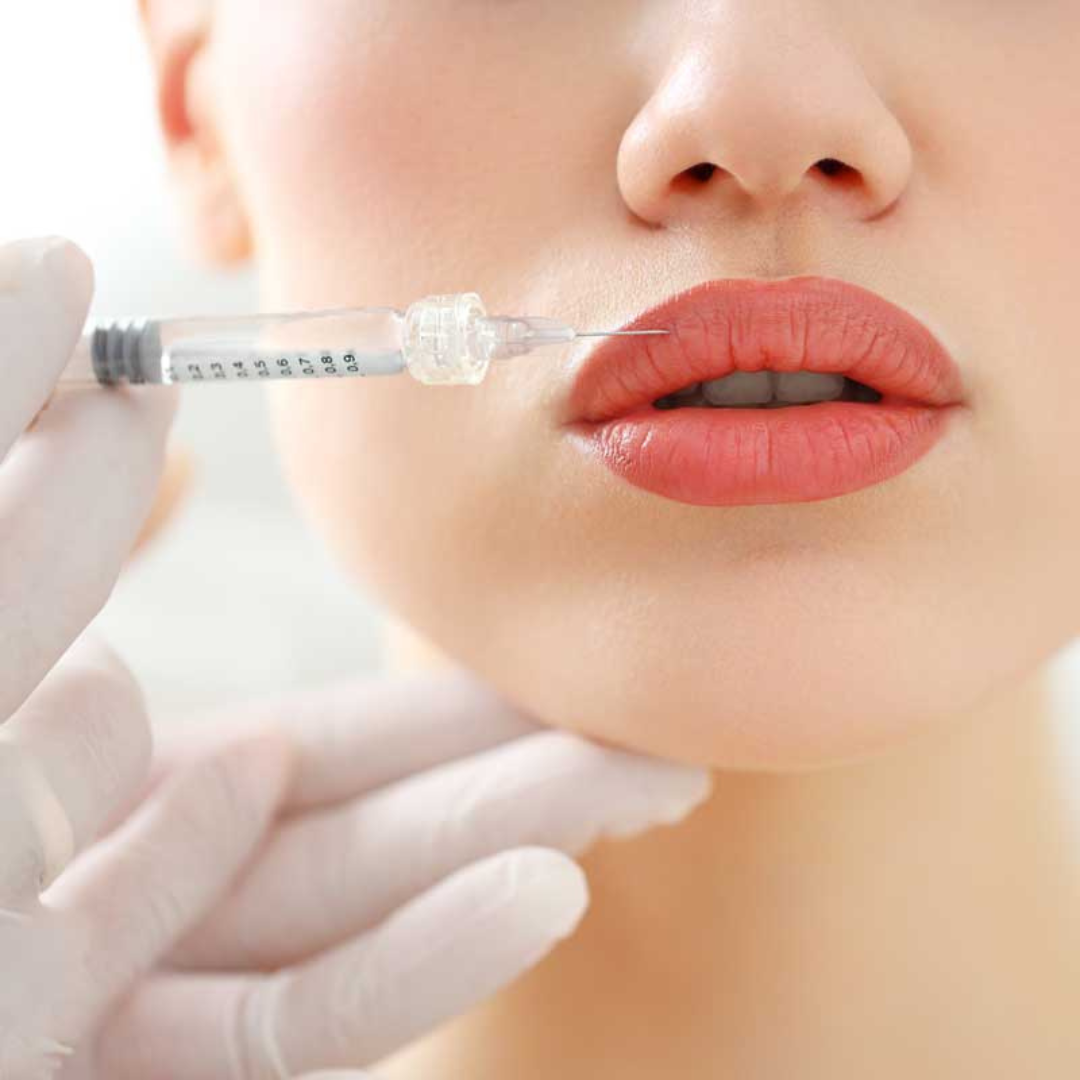
The term “liquid facelift” describes comprehensive facial rejuvenation using strategic combinations of dermal fillers and neuromodulators (Botox). Rather than lifting mechanically like thread lifts, this approach restores volume, relaxes wrinkle-causing muscles, and creates lifting effects through strategic filler placement.
What liquid facelifts actually do: They restore lost facial volume, smooth wrinkles and folds, provide subtle lifting through volumization, improve overall facial proportions and balance, and create refreshed, more youthful appearance. When performed expertly, results appear remarkably natural and comprehensive.
What they don’t do: Liquid facelifts cannot address significant skin laxity or excess, tighten loose neck skin, or create the dramatic structural changes surgery provides. They work through volume replacement and muscle relaxation rather than tissue repositioning.
Effectiveness verdict: For patients whose primary concerns involve volume loss rather than sagging, liquid facelifts prove highly effective. They excel at addressing hollow temples, deflated cheeks, thinning lips, and dynamic wrinkles. However, they’re not facelift replacements for patients with substantial tissue descent.
Energy-Based Skin Tightening
Ultrasound (like Ultherapy) and radiofrequency devices deliver controlled energy to skin’s deeper layers, stimulating collagen production and creating tightening effects without incisions or needles.
What energy-based treatments actually do: They improve mild skin laxity through collagen stimulation, create subtle lifting and tightening effects, enhance overall skin quality and firmness, and support maintenance of surgical results. Results develop gradually over 2-6 months.
What they don’t do: Energy devices cannot address moderate to severe sagging, remove excess skin, or produce dramatic lifting comparable to surgery. They work through tissue tightening rather than repositioning.
Effectiveness verdict: These treatments prove most effective for early intervention patients in their 30s and 40s addressing initial laxity or maintaining good skin quality. They also work well for post-surgical maintenance. However, they rarely satisfy patients seeking substantial improvement.
Realistic Effectiveness: What to Expect
The Honest Assessment
Non-surgical facelift options are effective but effectiveness depends entirely on matching treatment to concern severity and maintaining realistic expectations. Here’s the honest breakdown:
For mild aging (early 40s, minimal sagging, good skin quality): Non-surgical options can be remarkably effective, potentially delaying need for surgery by 5-10 years. Thread lifts, liquid facelifts, and energy-based treatments deliver meaningful improvements that satisfy many patients completely.
For moderate aging (late 40s through 50s, noticeable sagging, moderate skin laxity): Non-surgical approaches provide visible improvement but typically fall short of surgical transformation. They offer worthwhile enhancement for patients not ready for surgery but don’t replicate surgical outcomes.
For advanced aging (significant jowling, substantial neck laxity, excess skin): Non-surgical options rarely prove satisfactory as primary treatment. While they might provide subtle improvement, the gap between results and patient hopes often leads to disappointment. Surgery becomes the more cost-effective, satisfying choice.
Comparing to Surgical Facelifts
Understanding non-surgical effectiveness requires honest comparison to traditional surgery:
Advantages of non-surgical approaches:
- No incisions, scars, or general anesthesia
- Minimal to no downtime (days vs. weeks)
- Lower initial cost per treatment
- Reversible and adjustable
- Lower risk profile
Advantages of surgical facelifts:
- Dramatically more comprehensive results
- Address severe sagging and excess skin
- Longer-lasting outcomes (7-15 years vs. 1-2 years)
- Often more cost-effective long-term
- Can achieve transformation impossible non-surgically
Neither approach is universally “better” the right choice depends on your specific aging concerns, goals, lifestyle, and preferences.
Who Benefits Most from Non-Surgical Options?
Ideal Candidates
Non-surgical facelift approaches work best for specific patient profiles:
Age and aging severity: Patients in their 30s through early 50s with mild to moderate concerns. Earlier intervention with non-surgical methods can maintain appearance and delay surgery need.
Skin quality: Good skin elasticity proves crucial. If your skin “bounces back” when pinched, you’ll likely respond well to non-surgical tightening. If it remains loose, surgery addresses this more effectively.
Primary concerns: Patients whose aging primarily involves volume loss rather than sagging benefit tremendously from liquid facelifts. Those with early tissue descent respond well to thread lifts. People mainly concerned about skin quality benefit from energy-based treatments.
Lifestyle factors: Individuals who cannot accommodate surgical recovery due to work demands, family obligations, or simply preference for minimal disruption find non-surgical options appealing.
Financial considerations: Patients wanting to spread costs over time rather than large upfront surgical investment might prefer periodic non-surgical treatments.
When Surgery Remains the Better Choice
Honest assessment sometimes reveals surgery as the more appropriate option:
Significant excess skin: No non-surgical treatment can remove skin. If you have substantial skin redundancy, surgery provides the only effective solution.
Advanced sagging: Severe jowling, dramatic neck laxity, or major tissue descent typically require surgical repositioning for satisfying correction.
Desire for permanent results: If you want transformation without ongoing maintenance, surgery’s longevity (7-15 years) proves more appealing than non-surgical treatments requiring regular refreshment.
One-time investment preference: Some patients prefer single surgical recovery and cost versus indefinite non-surgical maintenance expenses and appointments.
Maximizing Non-Surgical Effectiveness
Strategic Treatment Combinations
Single non-surgical modalities have limitations, but strategic combinations often enhance effectiveness dramatically:
Thread lifts + fillers: Threads provide lifting while fillers restore volume. Together, they address both sagging and hollowing comprehensively.
Liquid facelift + skin tightening: Injectable volume restoration combined with energy-based tightening addresses multiple aging dimensions—volume, muscle activity, and skin quality.
Neuromodulators + everything: Botox relaxes muscles creating dynamic wrinkles while complementing all other treatments by preventing continued wrinkle formation.
These combinations create synergistic effects exceeding individual treatment capabilities.
Proper Timing and Maintenance
Non-surgical effectiveness depends heavily on appropriate timing and consistent maintenance:
Early intervention: Starting treatments when aging signs first emerge proves more effective than waiting until changes become advanced. Preventive approaches maintain appearance more easily than corrective ones.
Regular maintenance: Most non-surgical results require periodic refreshment. Thread lifts last 12-18 months. Fillers need refreshing every 9-18 months. Skin tightening benefits from annual treatments. Consistent maintenance preserves results, while sporadic treatment produces inconsistent outcomes.
Staged approach: Rather than attempting comprehensive correction immediately, gradual enhancement through multiple sessions often produces superior, more natural results.
Cost-Effectiveness Analysis
Short-Term vs. Long-Term Value
Evaluating non-surgical effectiveness requires considering financial implications:
Initial costs: Non-surgical treatments cost less upfront—perhaps $2,000-$5,000 for comprehensive liquid facelift or thread lift versus $10,000-$20,000 for surgical facelift.
Long-term costs: Over 10 years, ongoing non-surgical maintenance might total $20,000-$40,000 versus single surgical investment. Therefore, non-surgical approaches aren’t necessarily more economical long-term.
Value calculation: For patients requiring only mild enhancement, non-surgical options offer excellent value. For those needing significant correction, surgery often proves more cost-effective despite higher upfront expense.
Return on Investment
Beyond pure cost, effectiveness includes satisfaction and quality-of-life improvements:
Non-surgical ROI: Patients achieving desired improvements with minimal disruption often value non-surgical approaches highly regardless of long-term costs. The flexibility, reversibility, and lifestyle compatibility provide worth beyond dollars.
Surgical ROI: Patients wanting dramatic transformation and extended result duration often find surgical value superior despite higher costs and recovery commitment.
The Importance of Provider Expertise
Why Skill Matters Tremendously
Non-surgical facelift effectiveness depends heavily on injector expertise. The same products administered by different practitioners produce vastly different outcomes.
Expert providers possess deep anatomical knowledge ensuring safe, effective treatment, extensive experience with diverse patient types and aging patterns, artistic sensibility creating balanced, natural results, conservative philosophy preventing overcorrection, and honest communication about realistic expectations and appropriate candidacy.
Conversely, inexperienced providers often overpromise and underdeliver, create unnatural results through poor technique, or cause complications through anatomical ignorance.
Therefore, provider selection proves as crucial as treatment choice for non-surgical effectiveness.
How DrFace Can Help
At DrFace, we offer comprehensive non-surgical facelift options performed by expert practitioners committed to honest communication and realistic expectations. Our approach includes thorough assessment determining your candidacy for non-surgical vs. surgical approaches, honest discussion about what non-surgical treatments can and cannot achieve, customized combination strategies maximizing effectiveness for your specific concerns, expert technique ensuring optimal results and safety, and transparent guidance even when it means recommending surgery over non-surgical options.
We never push non-surgical treatments on patients who would benefit more from surgery simply because you’re hesitant about surgical commitment. Our priority involves your genuine satisfaction, which sometimes means encouraging you to wait until you’re ready for surgery rather than pursuing inadequate non-surgical alternatives.
Furthermore, we maintain extensive expertise in both surgical and non-surgical approaches. This dual capability ensures objective recommendations based on what truly serves you best rather than limiting suggestions to available services.
Our experienced team brings thousands of successful non-surgical treatments performed across diverse patient populations. We understand exactly what these procedures can accomplish, who makes ideal candidates, and how to customize approaches for maximum effectiveness. This expertise proves invaluable for achieving results that genuinely satisfy rather than disappoint.
Frequently Asked Questions
How long do non-surgical facelift results last?
Duration varies by treatment type. Thread lifts typically last 12-18 months. Dermal fillers last 9-18 months depending on product and placement. Neuromodulators require refreshing every 3-4 months. Energy-based skin tightening results develop over months and may last 1-2 years. Most non-surgical approaches require ongoing maintenance to preserve results, unlike surgery’s 7-15 year duration.
Can non-surgical treatments ever match surgical results?
For mild aging concerns in appropriate candidates, non-surgical approaches can achieve satisfaction comparable to surgery. However, for moderate to advanced sagging, excess skin, or dramatic transformation desires, surgery produces superior results. Non-surgical treatments excel at enhancement and maintenance but cannot replicate surgical restructuring capabilities.
Are non-surgical facelifts safer than surgery?
Non-surgical procedures generally carry lower risk than surgery due to no incisions, no anesthesia, and minimal invasiveness. However, “low risk” doesn’t mean “no risk”—complications can occur with any procedure. Choosing qualified, experienced providers minimizes risks regardless of treatment type. Overall, non-surgical options prove safer statistically, though surgery remains very safe when performed properly.
How do I know if I’m a good candidate for non-surgical options?
Good candidates typically have mild to moderate aging concerns, good skin quality with reasonable elasticity, realistic expectations about non-surgical capabilities, and preference for gradual enhancement over dramatic transformation. Consultation with experienced providers helps determine your candidacy objectively based on your specific anatomy and goals.
Can I try non-surgical first and get surgery later if needed?
Absolutely. Many patients pursue this staged approach—starting with non-surgical treatments and progressing to surgery when/if needed. Non-surgical procedures don’t preclude future surgery. In fact, they can delay surgery need by years while you determine your comfort level with more invasive interventions. This flexibility represents a significant non-surgical advantage.
What’s the best non-surgical facelift option?
No single “best” option exists optimal choice depends on your specific concerns. Thread lifts work best for mild sagging. Liquid facelifts excel for volume loss. Energy devices suit early laxity or maintenance. Often, combination approaches prove most effective. Comprehensive consultation determines which treatments or combinations suit your unique situation.
Schedule Your Consultation Today
Determining whether non-surgical facelifts will effectively address your concerns requires professional assessment and honest guidance. At DrFace, we’re committed to helping you understand all options—surgical and non-surgical and making informed decisions aligned with your goals and circumstances.
Our consultations include thorough facial analysis assessing aging severity and patterns, honest discussion of non-surgical effectiveness for your specific concerns, comparison of surgical vs. non-surgical approaches for your situation, customized treatment recommendations if non-surgical proves appropriate, and transparent guidance even when it means suggesting alternatives to what you initially considered.
We recognize that many patients prefer avoiding surgery if possible. We respect this preference and explore every viable non-surgical option thoroughly. However, we also provide honest feedback when non-surgical approaches won’t deliver satisfaction you deserve, even if it means disappointing you initially.
Don’t pursue non-surgical treatments based on marketing promises without understanding realistic effectiveness for your individual case. Schedule your consultation today and discover honest, expert guidance about whether non-surgical facelifts can truly deliver the results you envision.
Conclusion: Effective for the Right Patients
The question “Is non-surgical facelift really effective?” demands an honest, nuanced answer: Yes, when matched appropriately to patient concerns and performed expertly but no, they don’t replace surgery for everyone or produce identical outcomes.
Non-surgical facelift options work beautifully for patients with mild to moderate aging seeking enhancement without surgical commitment. They provide meaningful improvements in volume, skin quality, and subtle lifting that satisfy many people completely. Moreover, they offer flexibility, reversibility, and minimal disruption that surgical approaches cannot match.
However, they have clear limitations. Significant sagging, substantial excess skin, and desires for dramatic transformation typically require surgical intervention for satisfying results. Pursuing non-surgical treatments when surgery is truly needed often wastes time and money while delaying inevitable surgical correction.
The key lies in honest assessment and realistic expectations. When your concerns align with non-surgical capabilities, when you understand both benefits and limitations, and when you’re treated by skilled practitioners using appropriate techniques non-surgical facelifts prove remarkably effective. They deliver natural-looking improvements that enhance confidence without the commitment surgery requires.
At DrFace, we believe in matching treatments to patients rather than forcing patients into predetermined protocols. Sometimes that means enthusiastically recommending non-surgical approaches. Other times it means honestly suggesting surgery despite patient preferences. Our commitment involves your genuine satisfaction and best interests above all.
Your aesthetic journey deserves honest guidance about what will truly work for your unique situation. Non-surgical facelifts can be wonderfully effective—when they’re the right solution for your specific needs. Discover whether they suit your circumstances through expert consultation and comprehensive assessment. Schedule your appointment at DrFace today and receive the transparent, knowledgeable guidance you deserve.