The Truth About Recovery Time After Facial Surgery

Introduction: Beyond the Marketing Timeline
When researching facial surgery, you’ve likely encountered recovery timelines that seem almost too good to be true—”back to work in a week,” “minimal downtime,” or “quick recovery.” While these statements aren’t necessarily false, they often don’t tell the complete story. The truth about recovery time after facial surgery proves more nuanced, individual, and variable than simplified marketing messages suggest. Understanding realistic recovery expectations helps you plan appropriately, avoid disappointment, and achieve the best possible outcomes.
Recovery timelines exist on a spectrum rather than following rigid schedules. When your surgeon says “two weeks recovery,” they’re providing general guidelines based on average experiences, but your individual journey may differ significantly. Moreover, “recovery” means different things in different contexts—returning to desk work differs dramatically from resuming strenuous exercise, attending casual gatherings differs from appearing in professional photos, and feeling “normal” differs from achieving final results.
This comprehensive guide reveals the truth about facial surgery recovery time, exploring factors that influence healing speed, realistic timelines for common procedures, what “stages” of recovery actually feel like, and strategies for optimizing your healing journey. Furthermore, you’ll discover why some people heal faster than others, how to plan realistically for your circumstances, and what truly affects recovery beyond surgeon skill and technique. Whether you’re planning surgery or currently recovering, this honest, detailed information empowers realistic expectations and confident planning.
The Myth of “One-Size-Fits-All” Recovery
Why Recovery Times Vary So Dramatically
Perhaps the most important truth about surgical recovery involves individual variability. Two patients undergoing identical procedures with the same surgeon can experience markedly different recovery timelines. This variation stems from multiple factors largely beyond anyone’s control.
Age significantly influences healing speed. Younger patients with robust cellular regeneration and excellent circulation typically heal faster than older individuals whose natural repair processes have slowed. However, this represents a general trend, not an absolute rule—some 60-year-olds heal faster than some 40-year-olds based on other factors.
Additionally, overall health status profoundly impacts recovery. Patients with excellent cardiovascular health, optimal nutrition, and absence of chronic conditions heal more efficiently than those with diabetes, autoimmune disorders, or circulation problems. Smoking represents perhaps the single most detrimental factor—it dramatically impairs blood flow and oxygen delivery to healing tissues, often doubling or tripling recovery times.
Genetic factors also play roles. Some people naturally produce more robust healing responses with minimal swelling and bruising, while others bruise easily and swell extensively despite identical procedures and care. Your individual healing capacity, largely determined by genetics, significantly influences your timeline.
Furthermore, procedure extent matters enormously. A “facelift” can range from mini-lift addressing early aging to comprehensive procedures involving extensive tissue manipulation. Obviously, more extensive surgery requires longer recovery. However, marketing materials rarely specify procedure extent, making timeline comparisons misleading.
The Different Meanings of “Recovery”
Understanding what people mean by “recovered” proves crucial for realistic planning. Recovery exists in multiple stages, each with different implications.
Social recovery means you feel comfortable being seen by others without obvious surgery signs. Depending on procedure and individual healing, this might occur anywhere from one to six weeks post-surgery. For some, this means minor swelling remains but makeup covers bruising. For others, it means complete resolution of all visible signs.
Functional recovery involves returning to normal daily activities including work, light exercise, and regular routines. This typically occurs before social recovery you might feel fine performing tasks while still appearing somewhat swollen or bruised.
Complete healing represents full tissue maturation with final results visible. This takes much longer typically 6-12 months for most facial procedures. During this extended period, subtle changes continue as swelling completely resolves, scars mature, and tissues settle into final positions.
Therefore, when surgeons quote recovery times, clarify which recovery stage they’re describing. “Back to work in two weeks” might be accurate for desk jobs but wildly optimistic for public-facing roles or physically demanding positions.
Realistic Recovery Timelines by Procedure
Facelift: The Complete Picture
Marketing often suggests 2-3 weeks facelift recovery, and while this timeline applies to some aspects, it doesn’t represent the whole story.
Week 1: Expect significant swelling and bruising, particularly around incision sites and lower face. Most patients describe moderate discomfort managed with prescribed pain medication. You’ll wear compression garments continuously and keep your head elevated constantly. Social activities are completely off-limits—you won’t want anyone seeing you, and you need rest more than socialization. Most patients feel surprisingly good functionally but look quite swollen.
Weeks 2-3: Swelling and bruising decrease substantially. Sutures come out, providing psychological relief. Many patients return to desk jobs during this period, though visible signs remain. Strategic makeup conceals most bruising, but you’ll still appear “different”—swollen enough that colleagues will likely notice something even if they can’t identify what. Strenuous activity remains prohibited.
Weeks 4-6: You’ll feel increasingly normal functionally and appear much improved. Most residual swelling concentrates in mornings, diminishing throughout the day. You can attend most social events comfortably, though close friends may notice subtle differences. Exercise restrictions begin lifting gradually.
Months 3-6: Subtle swelling continues resolving. Incision lines fade progressively. You’ll notice ongoing improvements as tissues settle and results refine. By six months, most visible recovery completes, though subtle changes continue through one year.
The truth: While you might “get away with” returning to work after two weeks, you won’t feel or look completely normal. Plan for 4-6 weeks before feeling truly comfortable in all social situations and 6-12 months until final results emerge.
Rhinoplasty: Longer Than You Think
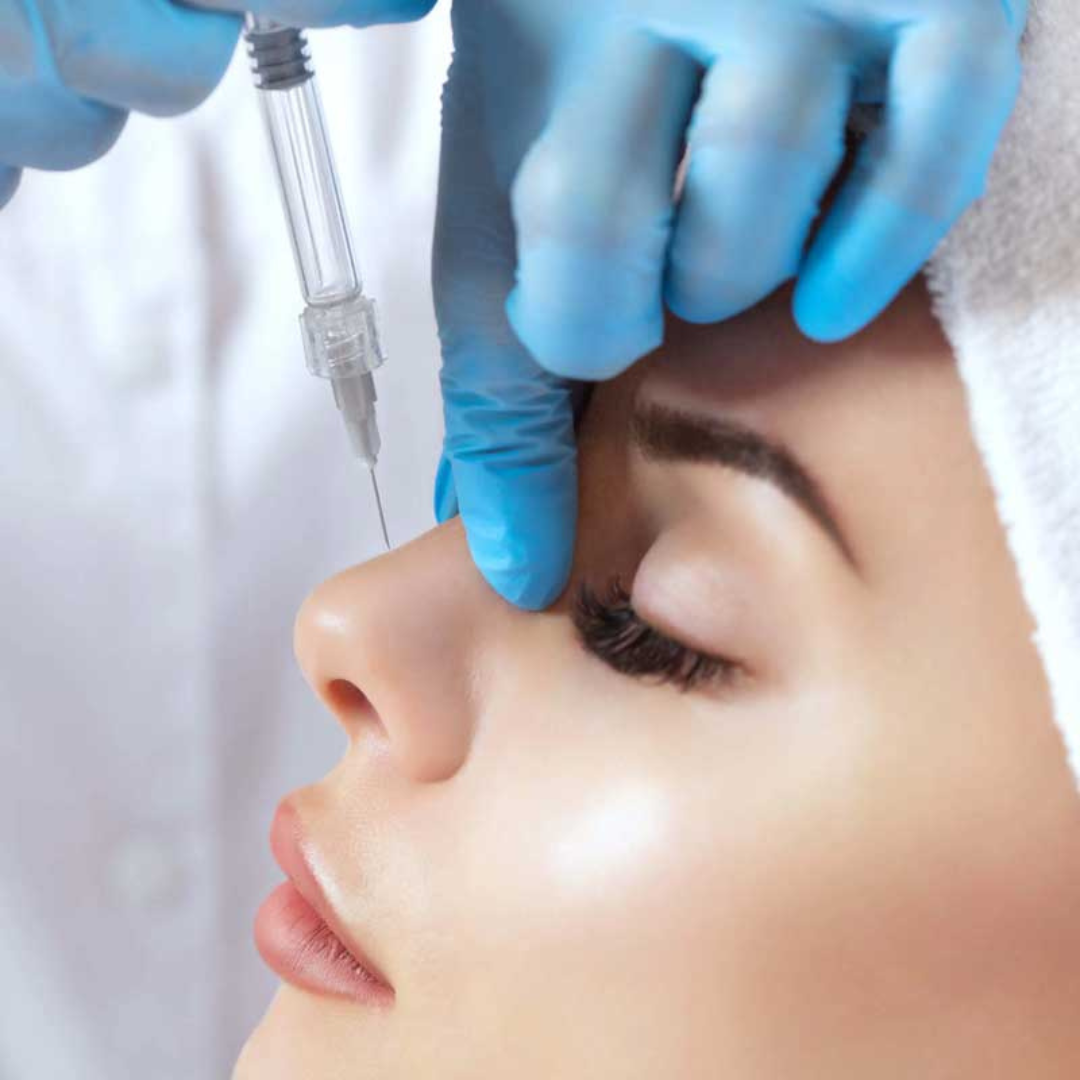
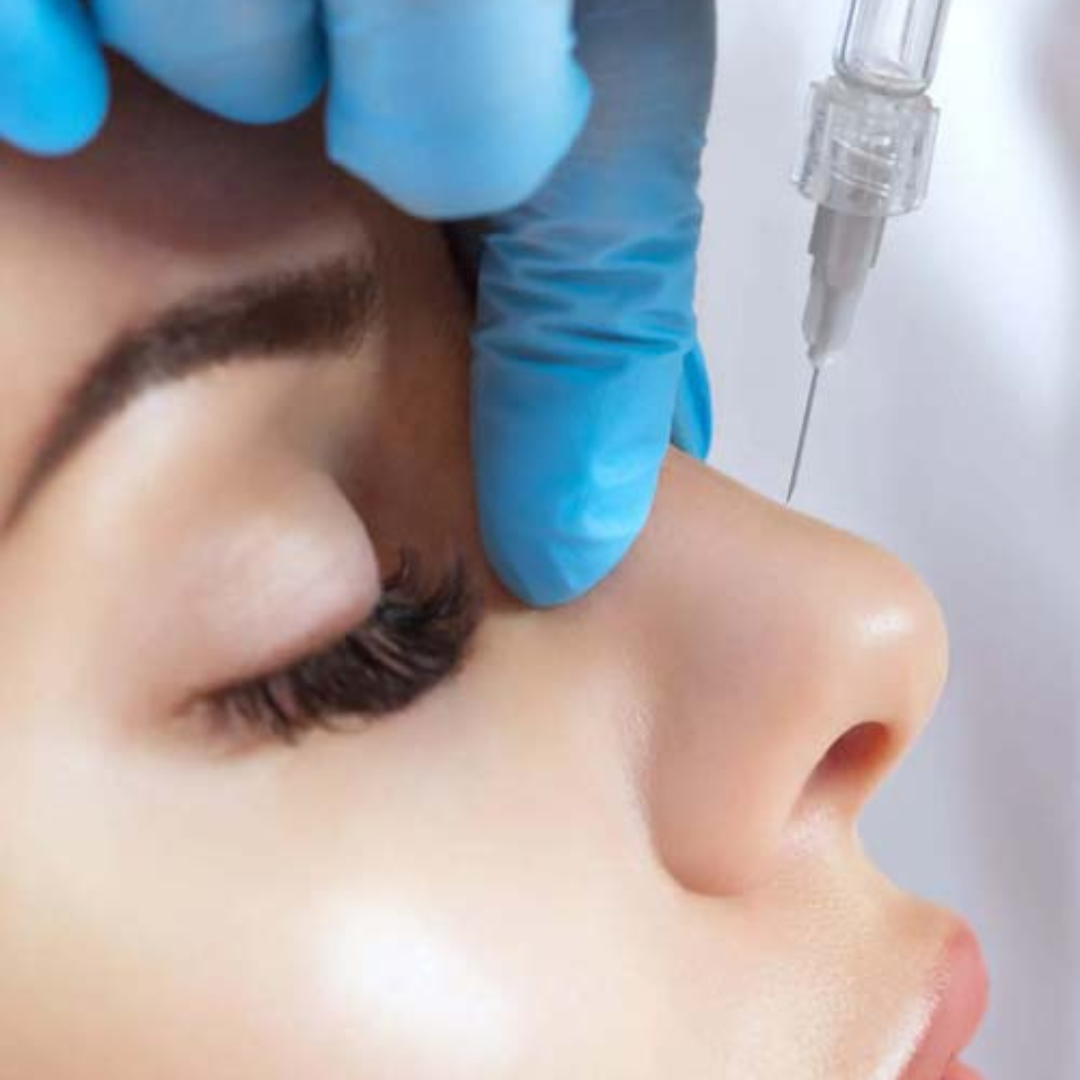
Rhinoplasty recovery proves particularly prolonged due to the nose’s complex anatomy and tendency toward extended swelling.
Week 1: Significant swelling and bruising around eyes and nose. You’ll wear a splint protecting your nose, plus potentially internal packing initially. Breathing feels congested. Most patients take a full week off work minimum.
Weeks 2-4: Splint removal around day seven feels like a milestone, though your nose remains quite swollen. Bruising fades substantially. Many return to work around two weeks, though swelling remains obvious. Your nose looks different but not necessarily better yet—swelling obscures improvements.
Months 2-6: The most frustrating phase. You feel normal, but your nose continues changing. Swelling decreases gradually, with thick-skinned patients experiencing slower resolution than thin-skinned individuals. Improvements become more apparent, though the nose still doesn’t represent final results.
Year 1+: Rhinoplasty requires the longest final result timeline—full year minimum, often 18 months for thick-skinned patients. Minor swelling persists, especially in tip area, continuing to refine throughout this period.
The truth: While you can return to most activities within a month, your nose won’t look “right” for many months. Patience proves essential. Don’t judge results prematurely.
Eyelid Surgery: Fastest Recovery—But Still Significant
Blepharoplasty offers relatively quick recovery compared to more extensive procedures, though “quick” remains relative.
Days 1-5: Significant swelling and bruising around eyes, sometimes extending to cheeks. Vision may be slightly blurry from ointments. Cold compresses become your constant companion. Most patients take one week off work.
Weeks 1-2: Swelling and bruising decrease rapidly. Sutures typically come out within a week. Many patients return to work around 7-10 days, using sunglasses and makeup to conceal remaining discoloration.
Weeks 3-4: Most visible recovery completes. You’ll feel comfortable in all social situations, though close examination might reveal minor swelling or healing incisions.
Months 3-6: Incision lines continue fading, becoming increasingly imperceptible. Subtle swelling resolves completely.
The truth: Blepharoplasty recovery proves faster than most facial surgeries, but you’ll still need 1-2 weeks before feeling socially comfortable and 3-6 months for complete healing.
Factors You Can Control for Optimal Recovery
Pre-Surgery Preparation
Recovery actually begins before surgery. Optimizing your health pre-operatively significantly impacts healing speed.
Stop smoking at least four weeks before surgery ideally longer. Smoking dramatically impairs healing and increases complication risks. Similarly, discontinue blood-thinning medications and supplements as directed, including aspirin, ibuprofen, vitamin E, and fish oil. These increase bruising and bleeding.
Additionally, optimize nutrition. Ensure adequate protein intake supporting tissue repair, increase vitamin C for collagen synthesis, and maintain excellent hydration. Some surgeons recommend specific supplements like arnica or bromelain for reducing bruising and swelling.
Furthermore, arrange your recovery environment and support system beforehand. Prepare comfortable recovery space with necessary supplies, arrange assistance for initial days, and plan time off work. This preparation reduces stress and allows complete focus on healing.
Post-Operative Compliance
Following post-operative instructions meticulously dramatically impacts recovery quality and speed. Patients who carefully adhere to guidelines consistently experience smoother, faster healing than those who don’t.
Keep your head elevated continuously for the first week, even while sleeping. This single measure significantly reduces swelling. Apply ice as directed during initial days. Take prescribed medications on schedule. Avoid activities that increase blood pressure or strain healing tissues.
Additionally, attend all follow-up appointments. These visits allow your surgeon to monitor healing, address concerns, and intervene early if complications develop. Skipping appointments or delaying when problems arise often worsens issues that could have been managed easily if caught immediately.
Managing Expectations and Patience
Perhaps the most controllable recovery factor involves your mindset and expectations. Patients who understand realistic timelines, avoid comparing themselves to others, trust the healing process, and practice patience consistently report more positive recovery experiences than those who panic at normal healing variations or judge results prematurely.
Remember that healing follows a general trajectory but includes temporary setbacks. You might look great one day, then wake up more swollen the next this represents normal fluctuation, not complication. Similarly, asymmetry during healing is common as different areas resolve swelling at different rates.
What Really Affects Your Timeline
Factors Beyond Your Control
Some recovery factors simply can’t be controlled, and understanding this prevents unnecessary frustration.
Your genetic healing capacity determines baseline healing speed. Some people naturally heal faster with minimal swelling and bruising. Others experience pronounced responses despite doing everything right. Similarly, your age, skin thickness, and underlying bone structure all influence recovery in ways you cannot change.
Additionally, minor technical variations during surgery how tissues responded to manipulation, subtle bleeding requiring additional cautery, or necessary adjustments to technique based on your anatomy can affect recovery despite being beyond your awareness or control.
The Role of Surgeon Skill
While you can’t control healing capacity, you absolutely can control surgeon selection, which dramatically impacts recovery. Experienced surgeons using refined techniques typically create less tissue trauma, resulting in faster healing. Additionally, skilled surgeons anticipate individual healing variations and adjust techniques accordingly.
Moreover, expert surgeons provide realistic recovery timelines and comprehensive instructions optimizing healing. They recognize when recovery deviates from normal patterns and intervene appropriately. This expertise proves invaluable for smooth recovery experiences.
How DrFace Can Help
At DrFace, we prioritize honest, realistic communication about recovery expectations. We understand that managing expectations proves as important as surgical technique for patient satisfaction. Therefore, we provide detailed, individualized recovery timeline information during consultations.
Our comprehensive approach includes detailed discussion of your specific procedure’s recovery requirements, honest assessment of factors that might affect your timeline, comprehensive written instructions for optimal post-operative care, accessible communication throughout recovery for questions and concerns, and regular monitoring ensuring healing progresses normally.
Furthermore, we customize recovery protocols based on your individual factors. Your age, health status, procedure extent, and personal circumstances all influence our recommendations. This personalization optimizes your healing while accommodating your life’s practical realities.
We also provide extensive pre-operative education about recovery stages. You’ll understand exactly what each phase feels like, when specific improvements appear, and what normal healing variations look like versus genuine concerns requiring attention. This knowledge prevents panic at normal experiences while ensuring you recognize actual problems.
Additionally, our experienced team has guided thousands of patients through recovery. We’ve seen every scenario, every variation, every concern. This experience allows us to provide reassurance when appropriate and intervene when necessary, supporting optimal healing throughout your journey.
Frequently Asked Questions
Can I speed up my recovery time?
While you cannot dramatically accelerate natural healing, certain strategies optimize the process. Follow all post-operative instructions meticulously, maintain excellent nutrition and hydration, get adequate sleep allowing your body to heal, avoid smoking and alcohol, keep your head elevated to minimize swelling, and attend all follow-up appointments. However, healing fundamentally takes time—pushing too hard often backfires, potentially causing complications that extend rather than shorten recovery.
What if I’m healing slower than expected?
Some variation from average timelines is completely normal. However, if your recovery seems dramatically delayed or if concerning symptoms develop, contact your surgeon immediately. Sometimes slow healing indicates complications requiring intervention, while other times it simply reflects individual variation. Your surgeon can assess whether your timeline falls within normal ranges or requires additional support.
When can I wear makeup to cover bruising?
Most surgeons allow makeup application once incisions have closed and sutures are removed—typically around 7-10 days post-surgery. However, use gentle, non-irritating products and avoid makeup on actual incision lines until they’ve healed completely. High-quality concealer can remarkably effectively camouflage remaining bruising, significantly shortening social recovery timelines.
How much time should I take off work?
This depends entirely on your job type. Desk jobs with flexible schedules might allow return after 1-2 weeks for many procedures. However, public-facing positions, physically demanding jobs, or careers where appearance matters professionally often require 3-4 weeks minimum. Discuss your specific work requirements with your surgeon during consultation for personalized recommendations.
Will I need someone to help me during recovery?
Yes, especially during the first 24-48 hours post-surgery. You’ll need someone to drive you home, help with basic needs, monitor you for complications, and assist with medication and care protocols. Many patients want assistance for the first week, though some manage independently after initial days. Plan conservatively—it’s easier to send help away if unnecessary than scramble for assistance if needed.
What if I have an important event during recovery?
Ideally, avoid scheduling surgery close to important events. However, if necessary, discuss timing carefully with your surgeon. They can estimate whether you’ll be presentable by your event date based on typical timelines for your procedure. Remember that makeup, strategic styling, and good photography angles can help you look better than you feel during mid-recovery phases. However, allowing generous buffer time prevents stress if healing progresses slower than average.
Schedule Your Consultation Today
Understanding realistic recovery expectations begins with honest consultation. At DrFace, we’re committed to transparent communication about what surgery and recovery truly involve, ensuring you can plan confidently for your procedure.
Our consultations include detailed recovery timeline discussion specific to your procedure, honest assessment of factors affecting your individual recovery, comprehensive explanation of what each recovery phase feels like, practical planning assistance for work, social obligations, and life logistics, and answers to all your questions in a pressure-free environment.
We recognize that recovery concerns often influence surgical decisions as much as outcome expectations. We never minimize recovery requirements or suggest unrealistic timelines to encourage procedures. Instead, we provide honest information allowing you to determine whether recovery fits your current life circumstances.
Don’t base surgical decisions on incomplete or overly optimistic recovery information. Schedule your consultation today and discover the complete truth about what recovery from your desired procedure actually involves. Our honest, comprehensive guidance ensures you can plan appropriately and approach surgery with realistic, confident expectations.
Conclusion: Informed Planning for Best Outcomes
The truth about facial surgery recovery proves more complex than simplified marketing timelines suggest. While general guidelines provide useful frameworks, individual experiences vary significantly based on procedure extent, personal healing capacity, age, health status, and countless other factors. Moreover, “recovery” encompasses multiple stages functional return to activities, social comfort with appearance, and complete healing each occurring on different timelines.
Understanding these realities doesn’t make recovery more difficult it makes it more manageable. When you know what to expect, normal variations don’t cause panic. When you plan realistically, you’re not disappointed by extended timelines. When you understand factors affecting healing, you can optimize controllable elements while accepting those beyond your influence.
The key to positive recovery experiences lies in honest, comprehensive information, realistic expectations aligned with actual timelines, thorough planning accommodating your procedure’s requirements, and excellent surgeon communication throughout healing. These elements transform recovery from an anxiety-producing unknown into a manageable phase of your aesthetic journey.
At DrFace, we believe that informed patients experience better outcomes both surgically and psychologically. By providing complete, honest recovery information rather than optimistic oversimplifications, we help you make wise decisions and navigate healing confidently. Your satisfaction matters more than our appointment calendar, and we never encourage procedures if recovery doesn’t fit your current circumstances.
Your surgical journey deserves truth, not marketing. Your recovery experience deserves realistic preparation, not disappointed surprise. Your outcomes deserve the support that comes from complete understanding of what healing truly involves. Choose DrFace for honest guidance, comprehensive education, and expert support throughout every stage of your transformation from initial consultation through complete recovery and beyond.