Enhancing Your Results with Facial Fillers After Surgery
Introduction: The Perfect Complement to Surgical Results
Facial surgery creates dramatic improvements by repositioning tissues, tightening structures, and removing excess skin. However, surgery alone doesn’t address every aspect of facial aging. Volume loss one of the most significant aging indicators remains after even the most expertly executed surgical procedures. This is where facial fillers become invaluable, offering the perfect complement to surgical results by restoring youthful fullness and refining contours.
The combination of surgery and fillers represents modern aesthetic medicine at its finest. Surgery provides the structural foundation by lifting and tightening, while fillers add the finishing touches that complete the transformation. Together, these approaches address aging comprehensively, creating results that appear naturally youthful rather than simply “lifted.” Moreover, strategic filler placement can enhance surgical outcomes in ways that surgery alone cannot achieve.
‘This comprehensive guide explores how facial fillers enhance post-surgical results, when to introduce fillers after surgery, which areas benefit most from this combination approach, and what results you can expect. Whether you’re planning surgery and wondering about complementary treatments or you’ve already undergone procedures and want to optimize outcomes, understanding the synergy between surgery and fillers empowers you to achieve your best possible results.
Understanding the Role of Fillers After Surgery
What Surgery Accomplishes vs. What It Doesn’t
Surgical facelifts excel at repositioning descended tissues, tightening lax skin, and reshaping contours by addressing structural changes. These procedures create more defined jawlines, smoother neck contours, and elevated facial features. However, surgery primarily addresses tissue position and skin excess—it doesn’t restore lost volume that has diminished over years of aging.
As we age, facial fat compartments atrophy, bones resorb, and soft tissue deflates. This volume depletion creates hollowing in temples, under eyes, and cheeks. It flattens lips, deepens nasolabial folds, and creates a gaunt appearance that no amount of lifting can fully correct. Surgery repositions what remains, but it cannot replace what’s been lost.
Additionally, certain aging features exist outside typical surgical treatment zones. Lips thin over time regardless of facial position. Tear troughs deepen independent of cheek position. Chin and jawline definition depends partly on volume rather than just skin tightness. These areas require volumization rather than lifting to appear youthful.
How Fillers Complete the Picture
Facial fillers restore lost volume precisely where needed, creating the plumpness associated with youth. When combined with surgical lifting, this volumization creates comprehensive rejuvenation addressing both structural and volumetric aging dimensions. The lifted, tightened foundation provides an ideal canvas for strategic volume restoration.
Moreover, fillers can refine surgical results by addressing minor asymmetries, smoothing remaining irregularities, or enhancing specific features that surgery improved but didn’t perfect. This refinement capability makes fillers invaluable for optimizing outcomes and ensuring complete satisfaction with your transformation.
Furthermore, modern fillers do more than simply fill space. Many products stimulate natural collagen production, improving skin quality alongside adding volume. This biostimulatory effect extends and enhances surgical results, supporting long-term tissue health and appearance.
Timing: When to Add Fillers After Surgery
The Importance of Proper Healing
Timing filler treatments after surgery requires careful consideration. Your tissues need adequate healing before introducing additional interventions. Premature filler placement can interfere with healing, increase complication risks, or produce suboptimal results because swelling obscures true contours.
Most surgeons recommend waiting at least 3-6 months after facial surgery before adding fillers. This timeline allows surgical swelling to resolve completely, tissues to settle into their new positions, and incisions to heal thoroughly. Additionally, waiting provides clarity about which areas actually need enhancement versus which concerns represent temporary swelling.
However, timing varies based on specific procedures and individual healing. Some surgeons perform conservative filler placement during surgery itself in carefully selected areas. Others prefer longer waiting periods—up to a year—before introducing fillers. Your surgeon’s recommendation should guide your timing decisions based on your unique circumstances.
Assessing Results Before Enhancement
The waiting period serves another crucial purpose allowing realistic assessment of surgical results. Immediately post-surgery, swelling creates temporary fullness that might mask true volumetric needs. Conversely, surgical trauma can cause temporary additional volume loss that later recovers naturally. Waiting until healing completes ensures you’re enhancing actual results rather than reacting to temporary conditions.
During this waiting period, document your healing with regular photos. These images help you and your provider identify specific areas that might benefit from filler enhancement. They also provide objective records showing how your appearance evolved post-surgery, which proves valuable for planning refinements.
Common Areas for Post-Surgical Filler Enhancement
Midface and Cheek Restoration
Even after excellent facelift results, many patients notice remaining midface flatness or under-eye hollowing. Surgical lifting repositions descended cheek fat but doesn’t add volume to naturally depleted areas. Strategic filler placement in cheeks creates youthful projection and fullness that complements lifted lower face contours.
Additionally, cheek fillers can enhance the lifting effect by adding support to facial structures. Properly placed volume in the cheek area provides scaffolding that helps maintain surgical improvements longer. This structural support represents one reason why the surgery-filler combination often proves more durable than surgery alone.
Under-eye hollowing, visible as tear troughs or dark shadows beneath eyes, frequently persists after eyelid surgery. While blepharoplasty removes excess skin and bulging fat, it doesn’t fill the hollow junction between lower lids and cheeks. Carefully administered filler in this delicate area creates smooth transitions and eliminates shadows, dramatically enhancing the rejuvenated eye appearance surgery provides.
Lip Enhancement and Perioral Rejuvenation
Facelifts address lower face and neck but don’t enhance lips or smooth perioral lines. As we age, lips thin and lose definition, while vertical lines develop around the mouth. These aging signs detract from otherwise youthful surgical results, creating obvious contrast between the lifted lower face and unchanged lip area.
Lip fillers post-surgery restore volume, improve contour definition, and create the soft, full appearance associated with youth. This enhancement ensures lips match the rejuvenated lower face rather than appearing aged in comparison. Additionally, filler placed strategically in perioral areas softens vertical lip lines and nasolabial folds that surgery cannot adequately address.
Moreover, lip enhancement creates facial balance. A beautifully lifted and contoured lower face deserves equally attractive lips. This proportional enhancement prevents the “done” look where one feature appears dramatically different while others remain unchanged.
Temporal Hollowing and Upper Face Volume
Surgical procedures typically focus on the lower two-thirds of the face. However, temples often show significant hollowing with age a concern surgery doesn’t address. Temporal hollowing creates a gaunt, aged appearance that undermines even excellent lower face results.
Filler in temples restores the gentle convex contour of youth, creating facial balance and proportion. This upper face volume complements surgical improvements below, ensuring comprehensive rejuvenation across the entire face. Additionally, temporal filling can provide subtle brow lift effects, further enhancing upper face appearance.
Chin and Jawline Definition
While facelifts improve jawline by addressing jowls and neck laxity, adding strategic volume in the chin and pre-jowl sulcus (the depression ahead of jowls) further refines results. Chin augmentation through filler creates better facial balance and profile. Pre-jowl sulcus filling smooths the transition from chin to jawline, eliminating remaining irregularities that surgery improved but didn’t completely resolve.
This jawline refinement proves particularly valuable for patients whose surgical results are excellent but who desire even more definition and smoothness along the mandibular border. Filler provides this enhancement without requiring additional surgery.
Benefits of Combining Surgery and Fillers
Comprehensive Facial Rejuvenation
The primary benefit of combining approaches involves addressing aging comprehensively. Surgery handles structural concerns while fillers restore volume. Together, they target all major aging components—tissue descent, skin laxity, volume depletion, and surface irregularities. This completeness creates results that look thoroughly youthful rather than showing improvement in some areas while others remain aged.
Moreover, comprehensive rejuvenation appears more natural. When all facial features receive proportional enhancement, the overall effect seems organic rather than obviously treated. Faces age as integrated wholes, so rejuvenation should similarly address the complete facial structure.
Extended Longevity of Results
Interestingly, combining surgery and fillers may extend the durability of both treatments. Surgical lifting provides a stable foundation that helps maintain filler placement. Conversely, filler support can help preserve surgical positioning longer by providing structural scaffolding. This synergy means results from the combination may last longer than either treatment would alone.
Additionally, maintaining surgical results with periodic filler treatments helps preserve your investment. Rather than requiring surgical revision after 7-10 years, strategic filler maintenance might extend this timeline significantly, delaying or preventing the need for additional surgery.
Customization and Refinement
Fillers offer unmatched flexibility for customizing and refining surgical outcomes. If minor asymmetries emerge during healing or if you desire subtle modifications to surgical results, fillers provide solutions without requiring additional surgery. This adaptability proves invaluable for perfecting outcomes and ensuring complete satisfaction.
Furthermore, filler treatments allow gradual enhancement. Rather than committing to all improvements during surgery, you can assess surgical results and then thoughtfully add volume where you determine it would be beneficial. This staged approach supports careful, considered enhancement rather than attempting everything simultaneously.
Lower Overall Risk
Combining treatments actually reduces overall risk compared to attempting comprehensive correction through surgery alone. Achieving maximum facial fullness surgically requires more extensive tissue manipulation and fat grafting, which increases procedural complexity and recovery. Adding strategic filler instead accomplishes similar volume restoration with minimal risk and no additional surgical recovery.
What to Expect: The Filler Enhancement Process
Consultation and Planning
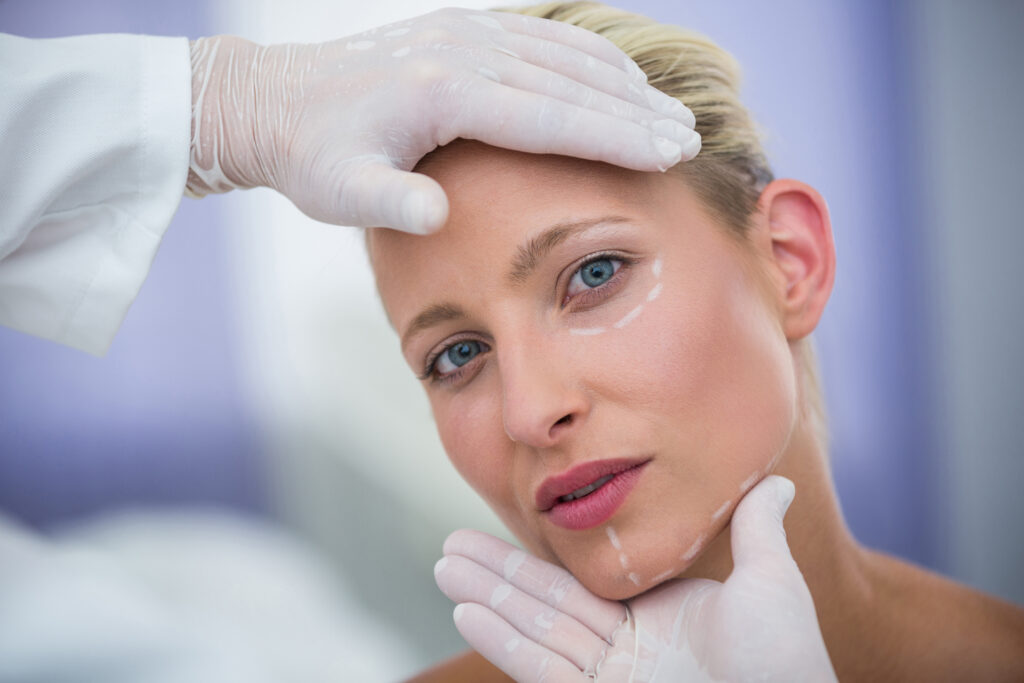
Post-surgical filler consultation begins with comprehensive assessment of your surgical results. Your provider examines facial contours, identifies areas that would benefit from volume restoration, and discusses your goals for refinement. They’ll review before-surgery photos alongside current appearance to understand what the surgery accomplished and what opportunities remain for enhancement.
During this consultation, your provider recommends specific filler products and placement strategies. Different fillers have varying characteristics—some provide more lift, others integrate better in delicate areas, and some stimulate more collagen production. Your provider matches products to your specific needs and treatment areas.
Additionally, you’ll discuss realistic expectations and treatment timelines. Some patients achieve desired enhancement in a single session, while others prefer gradual improvement through multiple appointments. Your provider helps determine the optimal approach for your goals and comfort level.
The Treatment Experience
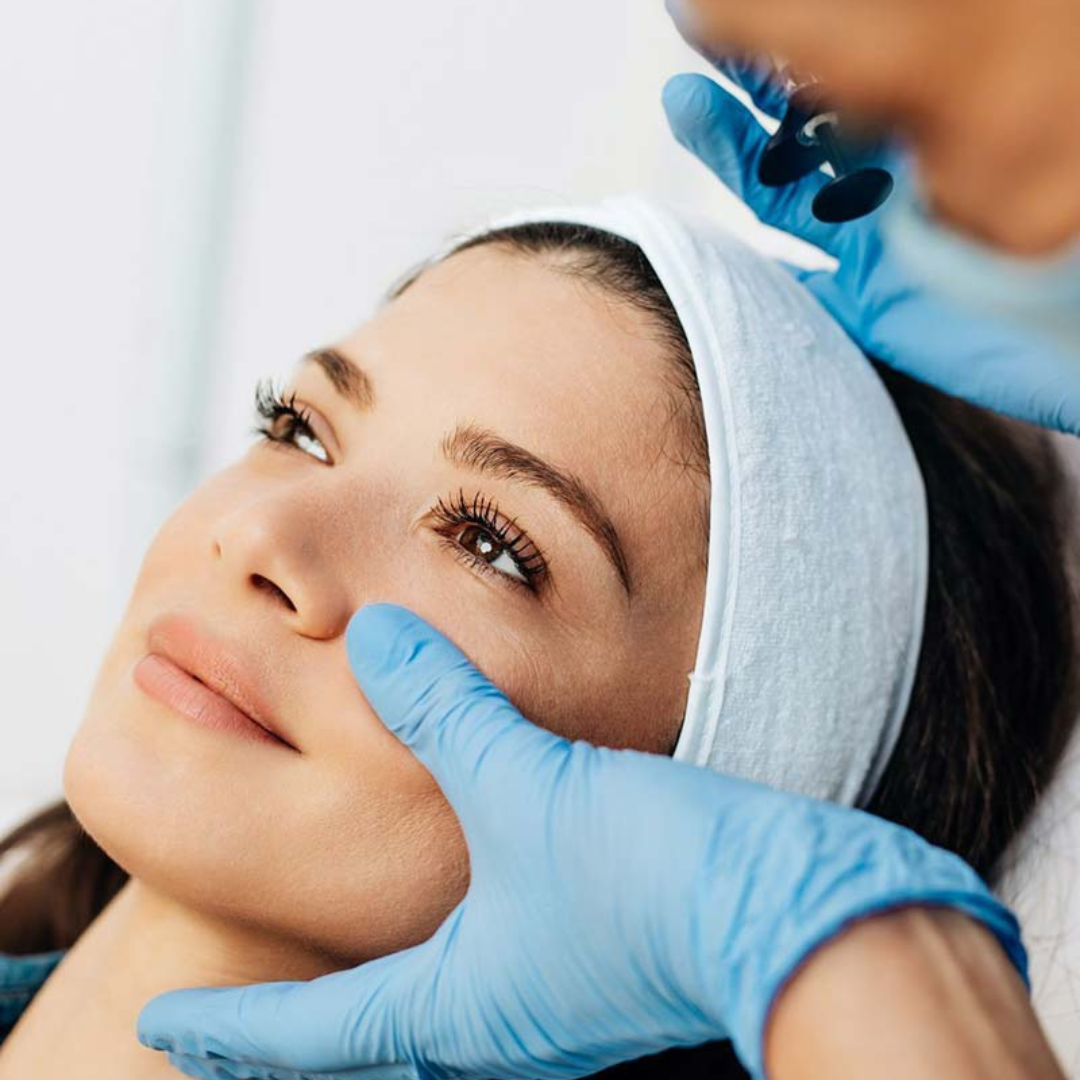
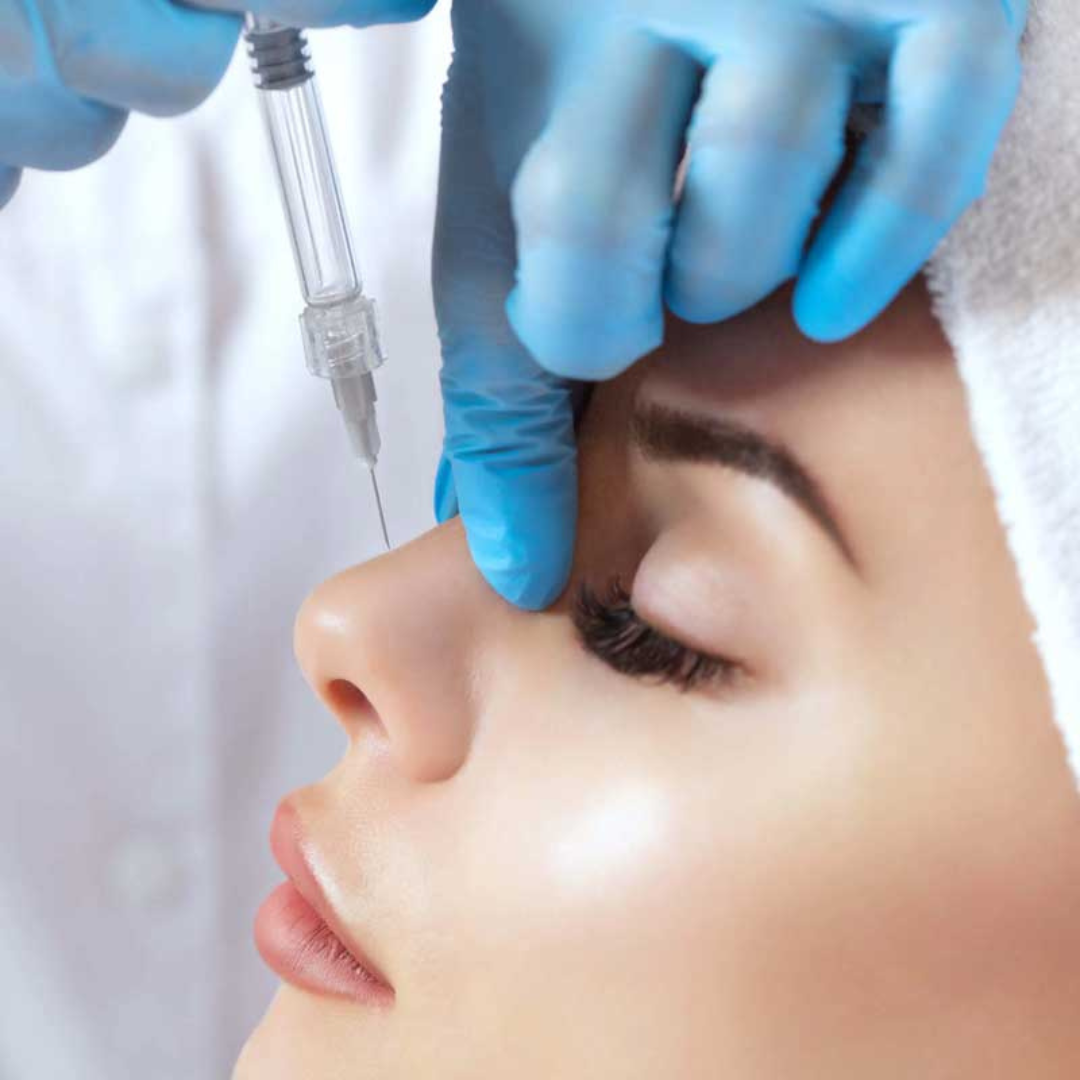
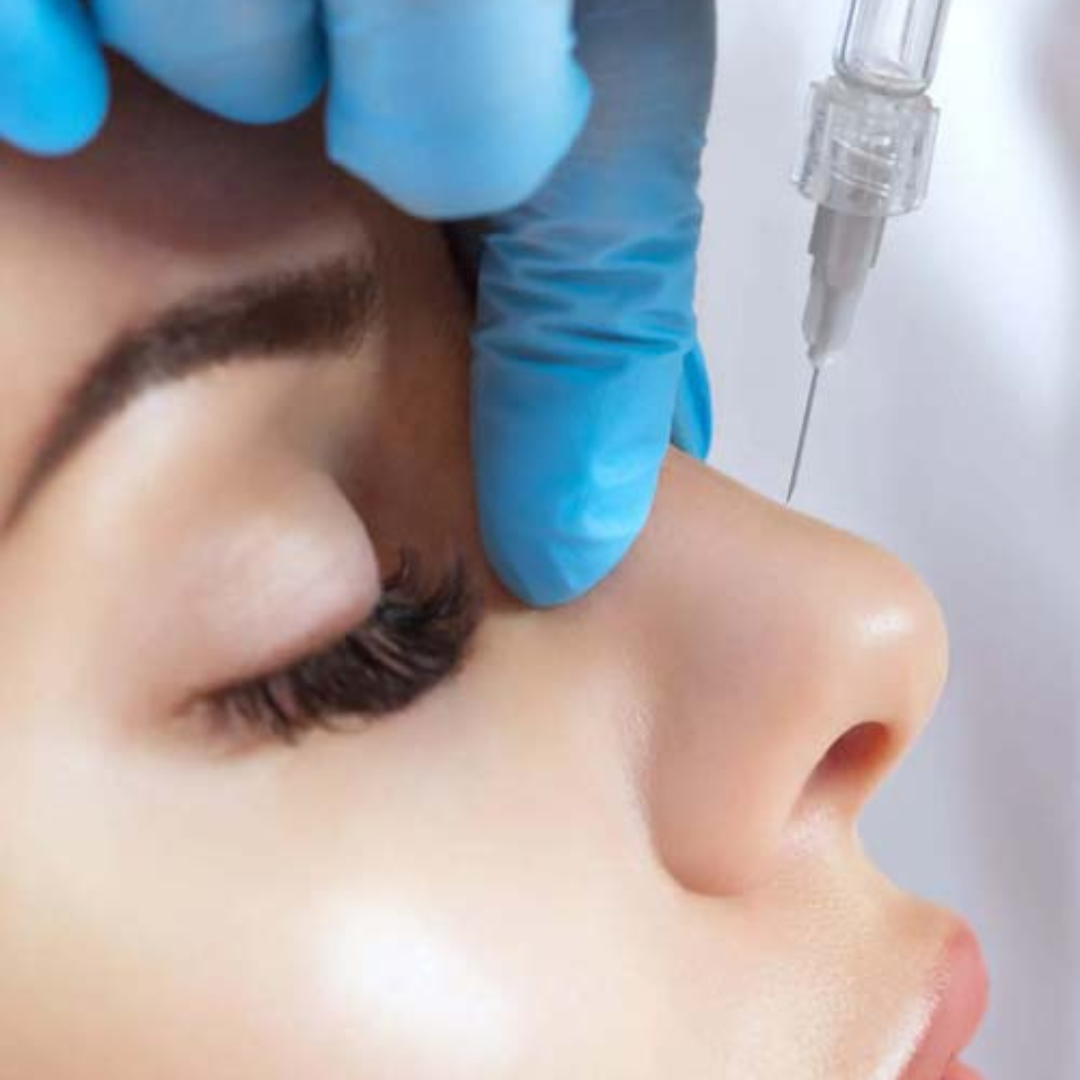
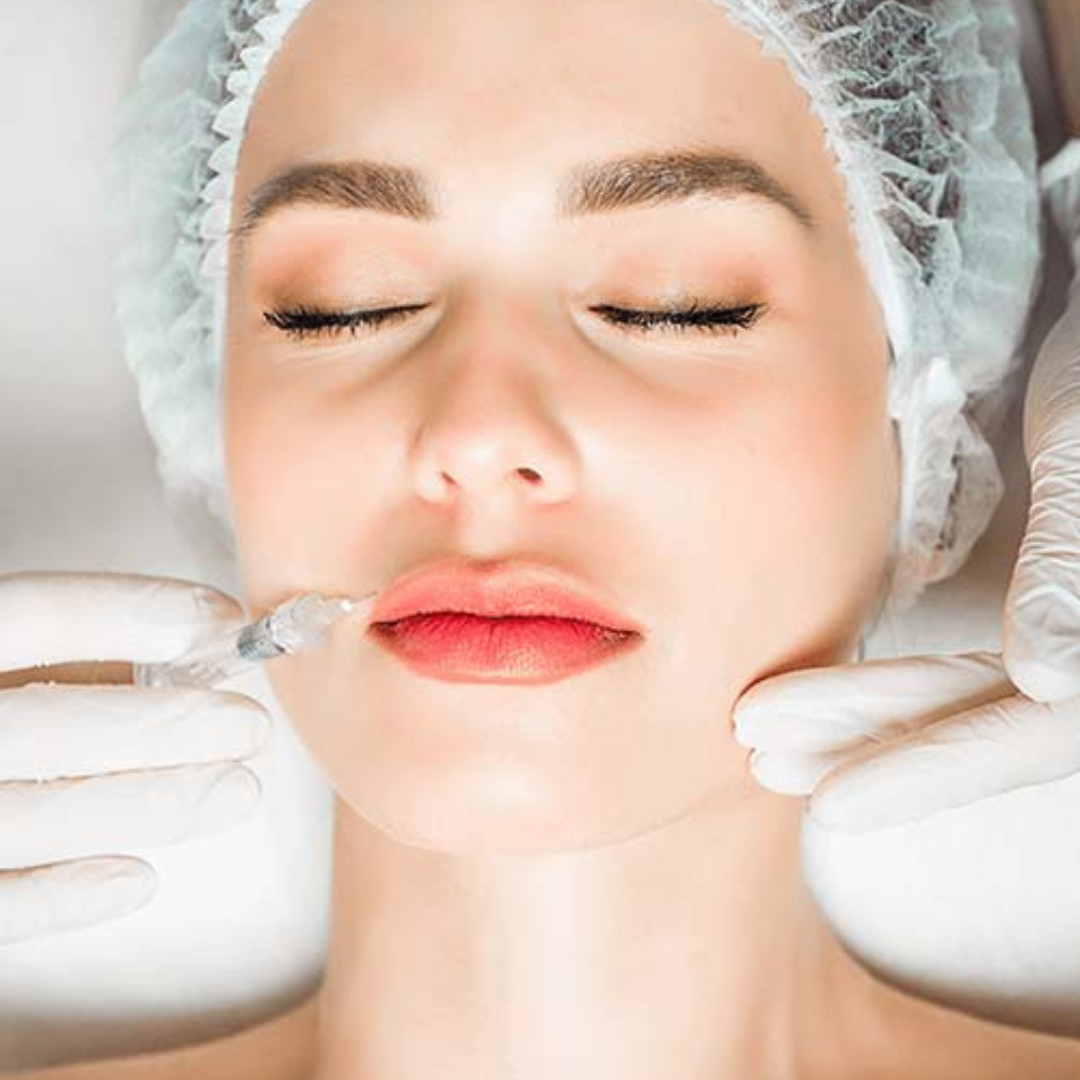
Filler treatments after surgery proceed similarly to standard filler procedures. Your provider applies topical numbing cream for comfort, then strategically injects filler using fine needles or cannulas. Cannulas—blunt-tipped instruments—often prove ideal for post-surgical patients because they minimize trauma to healing tissues.
Treatment duration varies based on areas addressed but typically ranges from 15-45 minutes. Most patients tolerate the procedure well, describing sensations as pressure or mild pinching rather than significant pain. Your provider works systematically through planned treatment areas, periodically assessing symmetry and volume distribution.
Immediately after treatment, you’ll notice increased fullness. However, some swelling occurs, so final results appear over the following days as this resolves. Your provider may massage treated areas to ensure even distribution and optimal contours.
Recovery and Results
Recovery from filler treatments remains minimal—typically just mild swelling and potential bruising lasting 2-7 days. You can resume most normal activities immediately, though avoiding strenuous exercise for 24 hours is recommended. Any bruising conceals easily with makeup.
Results develop fully within two weeks as swelling completely resolves and fillers settle. Most patients feel delighted seeing how volume restoration completes their surgical transformation. The comprehensive improvement—lifted structures plus restored fullness creates a thoroughly youthful appearance that neither treatment achieves alone.
Filler longevity varies by product and placement area. Most hyaluronic acid fillers last 9-18 months, though some newer formulations persist up to two years. When you return for maintenance treatments, your provider can adjust volume levels and placement based on how your face has evolved and any changes in your aesthetic preferences.
How DrFace Can Help
At DrFace, we specialize in comprehensive facial rejuvenation through expertly integrated surgical and non-surgical approaches. Our team understands that exceptional outcomes require addressing all aging dimensions, which is why we routinely combine surgery with strategic filler placement for optimal results.
Our surgeons and expert injectors work collaboratively to develop integrated treatment plans. Before your surgery, we discuss how post-surgical filler enhancement might complete your transformation. This advance planning ensures you understand the comprehensive vision for your rejuvenation from the outset.
Following surgery, we monitor your healing closely and help determine optimal timing for introducing fillers. We never rush this process your complete healing takes priority. Once appropriate, we perform detailed assessment identifying specific areas that would benefit from volume restoration and refinement.
Our master injectors bring extensive experience working with post-surgical patients. They understand the nuances of treating healing tissues, recognize when results reflect normal recovery versus opportunities for enhancement, and possess the technical skill to achieve beautiful, natural-looking improvements. Additionally, they use the highest quality filler products, selecting formulations ideally suited to your specific needs and treatment areas.
Furthermore, we provide long-term aesthetic partnership beyond initial treatments. We develop maintenance strategies preserving your surgical and filler results for years, adjusting plans as your face evolves. This ongoing relationship ensures sustained satisfaction with your appearance while maintaining the natural, balanced results you desire.
Frequently Asked Questions
How long after surgery can I get fillers?
Most surgeons recommend waiting 3-6 months after facial surgery before adding fillers. This timeline allows complete resolution of surgical swelling and full tissue healing. However, timing varies based on specific procedures, individual healing, and your surgeon’s preferences. Some conservative filler placement might occur earlier under certain circumstances, while others benefit from waiting longer. Always follow your surgeon’s specific recommendations for your situation.
Will fillers affect my surgical results negatively?
When performed by experienced providers at appropriate timing, fillers enhance rather than compromise surgical results. However, premature filler placement before complete healing could potentially interfere with the surgical recovery process. This is why proper timing and working with providers experienced in post-surgical enhancement proves essential. Additionally, choosing appropriate filler products and placement techniques specifically for post-surgical patients ensures optimal safety and results.
Can fillers fix things I’m unhappy with after surgery?
Fillers can address certain post-surgical concerns including minor asymmetries, remaining volume deficits, surface irregularities, and specific features you wish were fuller or more defined. However, they cannot correct major structural issues, remove excess skin, or fix significant surgical complications. These problems require surgical revision. Consultation helps determine whether your concerns are addressable through fillers or require surgical intervention.
How much do fillers after surgery typically cost?
Costs vary based on areas treated and filler quantities required. Typically, post-surgical enhancement ranges from $1,500 to $5,000 depending on complexity. Some patients need only one or two syringes in specific areas, while others desire comprehensive volume restoration across multiple regions. During consultation, your provider can estimate costs based on your specific goals and treatment plan. Remember that quality fillers and expert injection technique represent important investments in achieving excellent results.
Will I need fillers forever after getting them once?
Fillers are temporary—they gradually metabolize over months to years depending on product type and placement location. Whether you continue filler treatments long-term depends entirely on your preferences. Some patients maintain results through periodic treatments, while others try fillers once and decide they prefer their appearance without them. There’s no obligation to continue treatments indefinitely, though many patients appreciate how periodic filler maintenance preserves their surgical investment and keeps them looking their best.
Can fillers be combined with other non-surgical treatments after surgery?
Absolutely. Many patients combine post-surgical fillers with neuromodulators, skin resurfacing treatments, laser therapies, or skin tightening procedures for comprehensive enhancement. These combinations address different aging dimensions fillers restore volume, neuromodulators relax dynamic wrinkles, lasers improve texture and tone. Your provider can develop integrated treatment plans incorporating multiple modalities for optimal results. However, timing remains important—space treatments appropriately and always ensure adequate healing between interventions.
Schedule Your Consultation Today
Discovering how fillers can enhance your surgical results begins with expert consultation. At DrFace, we’re committed to helping you achieve the most complete, natural-looking rejuvenation possible through thoughtfully integrated treatment approaches.
Our consultations include comprehensive assessment of your post-surgical appearance, detailed discussion of areas that might benefit from volume restoration, explanation of recommended filler products and placement strategies, realistic expectation setting about achievable improvements, and transparent cost information for recommended treatments.
We recognize that choosing to add treatments after already undergoing surgery represents significant decisions requiring careful consideration. We provide honest guidance about whether fillers would meaningfully enhance your results or whether your surgical outcomes are excellent as they stand. Our goal involves your complete satisfaction, not encouraging unnecessary treatments.
Moreover, we understand the emotional investment you’ve made in your surgical journey. We approach post-surgical enhancement with sensitivity to your concerns and commitment to preserving and perfecting the results you’ve worked hard to achieve. Your trust in our care means everything to our team.
Don’t wonder whether fillers might complete your transformation find out definitively through expert assessment. Schedule your consultation today to discover how strategic volume restoration can enhance your already beautiful surgical results, creating the comprehensive, natural-looking rejuvenation you deserve.
Conclusion: Completing Your Transformation
Facial surgery creates remarkable improvements by addressing structural aging through lifting and tightening. However, truly comprehensive rejuvenation requires also addressing volumetric aging through strategic filler placement. This combination approach represents modern aesthetic medicine at its best—using each treatment modality for what it does most effectively.
The synergy between surgery and fillers creates results neither achieves alone. Lifted, tightened structures provide the ideal foundation, while restored volume adds the fullness and contours of youth. Together, these interventions comprehensively address facial aging, creating natural-looking results where all features appear proportionally rejuvenated rather than showing obvious intervention in isolated areas.
Moreover, this integrated approach offers practical advantages. Fillers provide flexibility for refining surgical outcomes, allow customization and gradual enhancement, extend surgical result longevity through structural support, and accomplish comprehensive correction with lower overall risk than attempting everything surgically.
Whether you’re planning surgery and considering how fillers might complete your transformation, or you’ve already undergone procedures and wonder about enhancement opportunities, understanding the powerful combination of surgery and fillers empowers you to achieve your best possible results. This isn’t about having more treatments it’s about having the right treatments working synergistically toward your aesthetic goals.
Your surgical investment deserves optimization through thoughtful post-operative enhancement. Fillers represent relatively simple, low-risk interventions that can transform good surgical results into exceptional ones. By addressing both structural and volumetric aging comprehensively, you ensure your appearance looks naturally youthful, balanced, and thoroughly rejuvenated exactly the comprehensive transformation you envisioned when you began your aesthetic journey.