Treating Hollow Under-Eyes: Fillers, Fat Grafting & Surgery
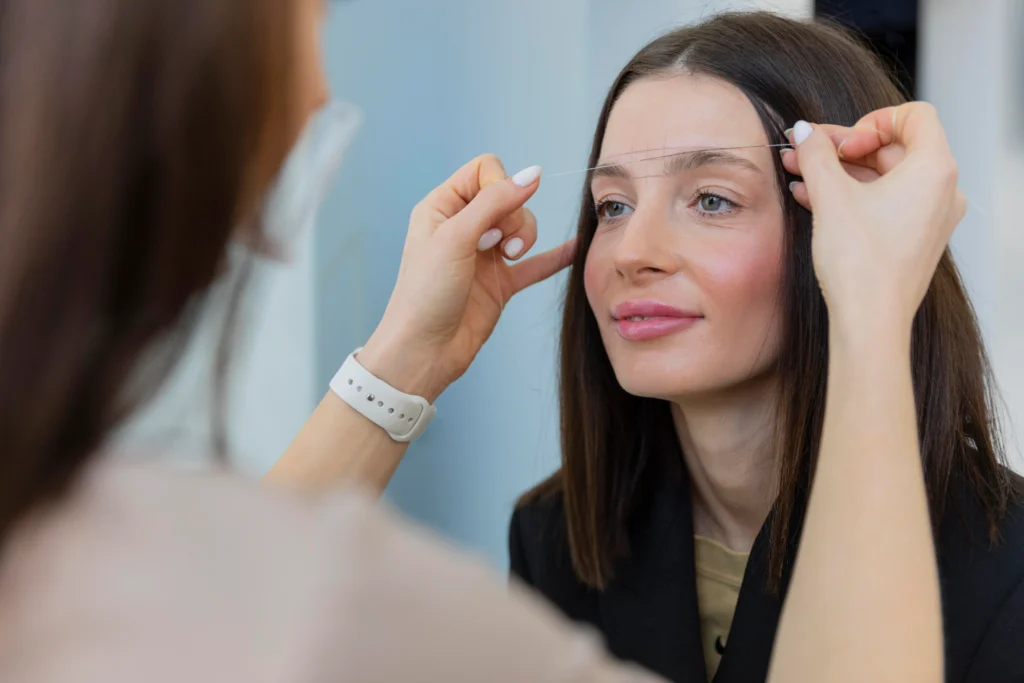
Dark circles, sunken areas, and hollows beneath the eyes can make you look exhausted, older, and less vibrant than you feel. The delicate under-eye region, medically known as the infraorbital area, often shows the earliest signs of aging. Whether caused by genetics, volume loss, or the natural aging process, hollow under-eyes affect how refreshed and youthful your face appears.
Modern cosmetic medicine offers several proven solutions for under-eye hollowness, from minimally invasive tear trough filler treatments to advanced surgical procedures. Understanding your options helps you make an informed decision about which approach best addresses your specific concerns and aesthetic goals.
Understanding Under-Eye Hollows and Volume Loss
The area beneath your eyes contains minimal fat padding and extremely thin skin thinner than anywhere else on your face. This unique anatomy makes the under-eye region particularly susceptible to visible changes as you age.
Under-eye hollows develop when the supporting structures beneath the skin weaken and the natural fat pads descend or diminish. This creates a shadowed, sunken appearance that cosmetic treatments describe as tear trough deformity. The infraorbital groove becomes more pronounced, sometimes creating a clear demarcation between the lower eyelid and the upper cheek.
Several factors contribute to hollow under-eyes beyond natural aging. Genetics play a significant role—some individuals develop pronounced tear troughs in their twenties or thirties. Lifestyle factors including chronic sleep deprivation, dehydration, excessive sun exposure, and smoking accelerate collagen breakdown and volume loss. Medical conditions affecting fluid retention or bone density can also impact the under-eye appearance.
Understanding whether you’re experiencing true volume loss, skin laxity, actual under-eye bags (which involve fat protrusion rather than hollowing), or a combination of these issues determines the most effective treatment approach for infraorbital rejuvenation.
Tear Trough Filler: The Minimally Invasive Solution
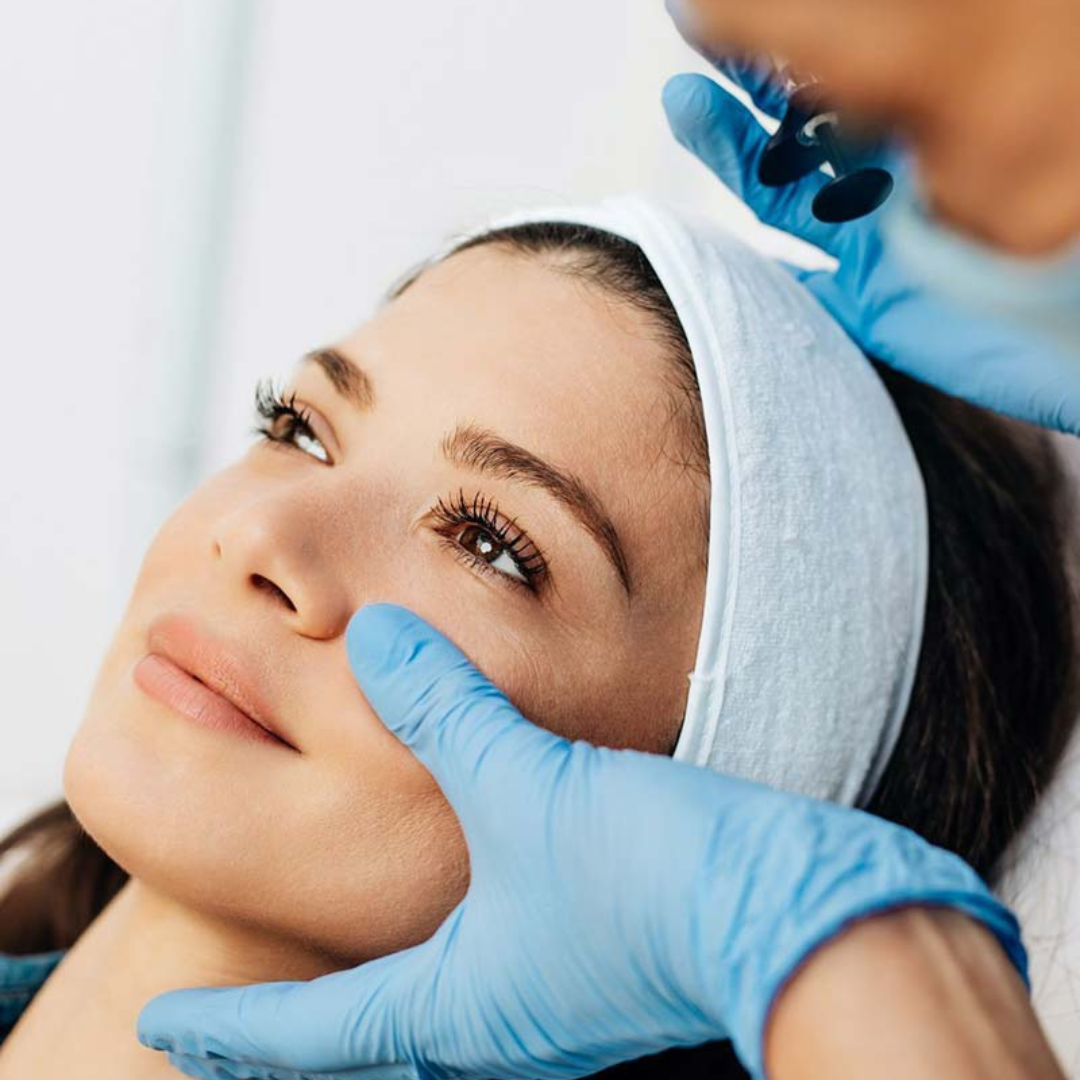
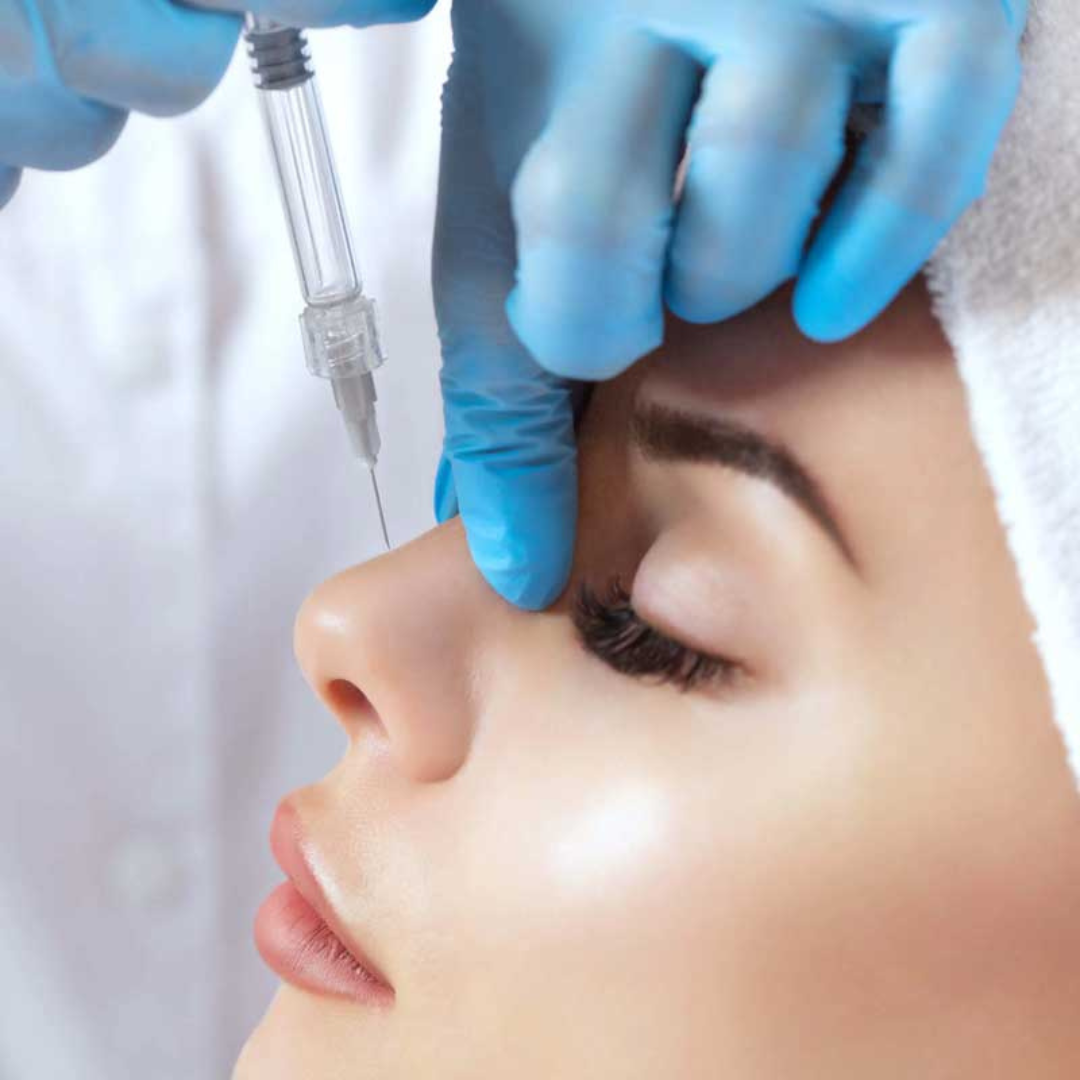
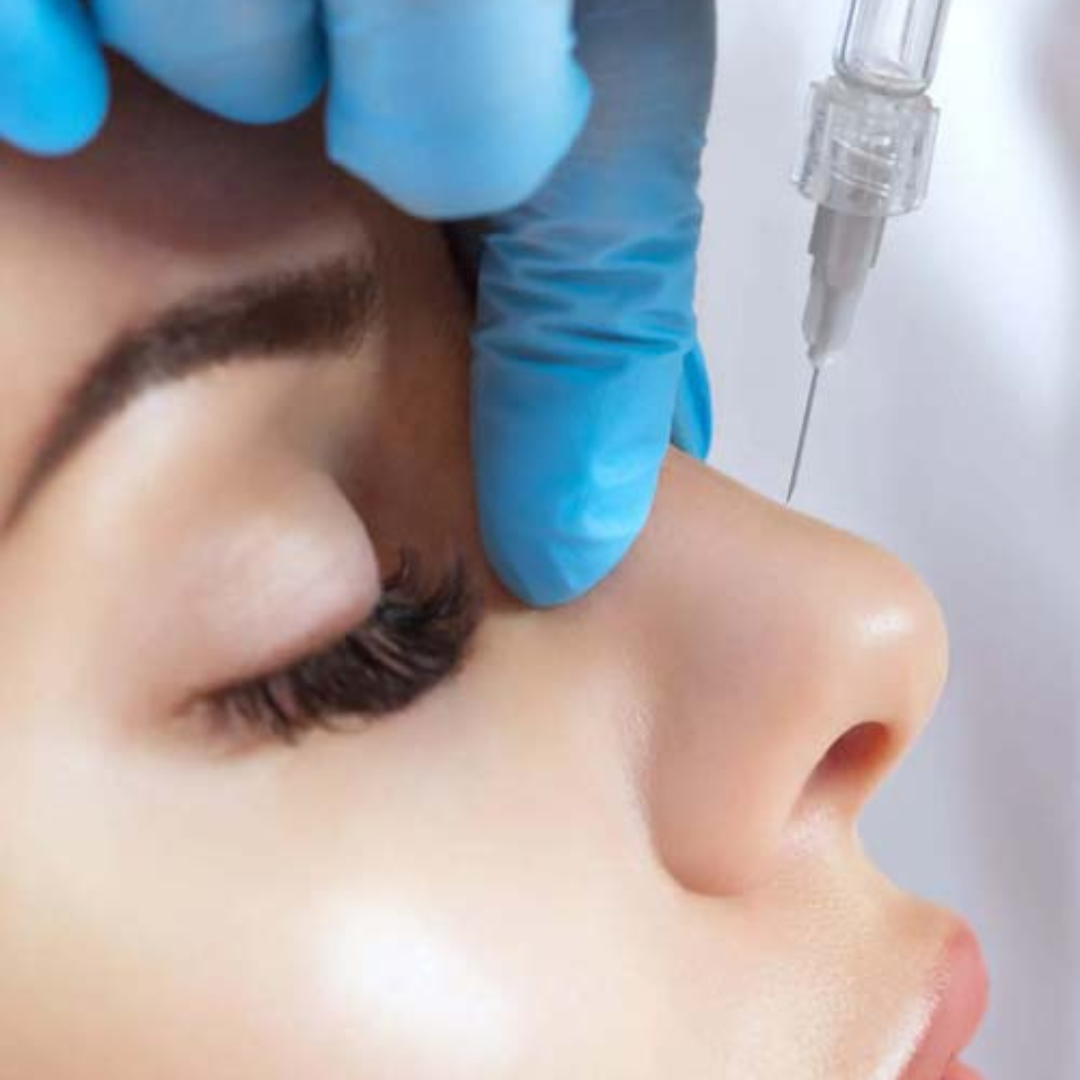
Hyaluronic acid-based tear trough filler represents the most popular non-surgical approach to treating under-eye hollowness. This minimally invasive procedure involves precisely injecting dermal fillers into the tear trough area to restore lost volume and smooth the transition between the lower eyelid and cheek.
The procedure typically takes 15-30 minutes in an office setting. Your cosmetic specialist applies topical numbing cream before carefully injecting small amounts of filler using an ultra-fine needle or cannula. Most practitioners prefer hyaluronic acid fillers specifically designed for the delicate under-eye area, such as Restylane or Belotero, which provide natural-looking results with minimal swelling.
Tear trough treatment offers immediate visible improvement with minimal downtime. Most patients resume normal activities the same day, though minor bruising or swelling may persist for a few days. Results typically last 9-18 months, depending on the product used and individual metabolism.
The key advantage of under-eye filler near me searches reveal is accessibility—this treatment is widely available through qualified cosmetic physicians and facial plastic surgeons. However, the under-eye area demands exceptional technical skill. The thin skin and proximity to blood vessels mean improper injection technique can lead to complications including lumps, discoloration (Tyndall effect), or vascular occlusion.
Ideal candidates for tear trough filler have mild to moderate hollowing without significant skin laxity or true under-eye bags. If you have excess fat causing puffiness rather than hollowness, fillers may worsen the appearance by adding volume where none is needed.
Fat Grafting: Natural, Long-Lasting Under-Eye Rejuvenation
Fat grafting, also called autologous fat transfer, uses your own fat cells harvested from another body area to fill hollow under-eyes. This advanced technique offers a natural alternative to synthetic fillers, using your body’s own tissue to restore youthful volume.
The procedure involves three steps: harvesting fat through gentle liposuction (typically from the abdomen or thighs), processing and purifying the fat cells, and carefully injecting the purified fat into the tear trough area. Because the procedure uses your own tissue, there’s no risk of allergic reaction or rejection.
Fat grafting for infraorbital rejuvenation provides several distinct advantages over synthetic fillers. The results appear exceptionally natural since transferred fat integrates with existing tissue. Once the grafted fat establishes blood supply (typically within a few months), results can be permanent—though some volume loss occurs as not all transferred fat cells survive.
The procedure requires greater technical expertise than filler injection and involves more recovery time. Expect moderate swelling and bruising for 7-14 days. Your surgeon typically overfills slightly, anticipating that 30-50% of transferred fat may be reabsorbed during the healing process.
Fat grafting works best for patients with more significant volume loss who desire longer-lasting results. The procedure can simultaneously address hollowing in multiple facial areas, creating comprehensive facial rejuvenation. However, candidates must have sufficient donor fat available for harvesting.
Some patients require touch-up procedures to achieve optimal results, as the percentage of fat survival varies between individuals. Despite this uncertainty, many patients prefer fat grafting’s natural feel and potentially permanent improvement over temporary synthetic fillers.
Surgical Options: Lower Blepharoplasty and Beyond
When under-eye concerns extend beyond simple hollowing to include excess skin, significant fat protrusion (true under-eye bags), or severe tissue laxity, surgical intervention may provide the most effective solution.
Lower blepharoplasty, or eyelid surgery, addresses multiple under-eye aging concerns simultaneously. Traditional lower blepharoplasty removes excess skin and fat, while modern techniques often reposition existing fat pads to fill the tear trough rather than removing them. This fat repositioning approach treats both puffiness and hollowing in one procedure.
Transconjunctival blepharoplasty performs the surgery through the inside of the lower eyelid, leaving no visible external scar. This technique works well for younger patients with good skin elasticity who have fat protrusion but minimal excess skin. For patients with significant skin laxity, a transcutaneous approach with external incision allows simultaneous skin tightening.
Advanced surgical techniques may combine blepharoplasty with fat grafting, creating comprehensive under-eye rejuvenation that addresses volume loss, excess tissue, and skin quality. Some surgeons perform cheek lifting procedures alongside lower eyelid surgery to restore overall midface structure.
Surgical under-eye rejuvenation requires 2-3 weeks of recovery, with initial swelling and bruising gradually subsiding. Results are long-lasting, typically 7-10 years or more, though natural aging continues. The permanence and comprehensive correction make surgery attractive for patients with advanced aging changes.
Choosing a board-certified facial plastic surgeon with specific expertise in eyelid surgery is crucial. The delicate anatomy requires specialized knowledge to avoid complications including scarring, eyelid malposition, or unnatural appearance.
Comparing Treatment Options: Which Is Right for You?
Selecting the optimal treatment for hollow under-eyes depends on multiple factors including the severity of volume loss, skin quality, presence of under-eye bags, your age, recovery time availability, and long-term aesthetic goals.
Tear trough filler suits patients seeking immediate improvement with minimal downtime and commitment. This option works best for mild to moderate hollowing in patients with good skin quality and no significant puffiness. The temporary nature allows you to “test” under-eye enhancement before committing to more permanent solutions. However, repeated treatments add up financially over time, and some patients develop filler fatigue or complications from repeated injections.
Fat grafting offers a middle ground between temporary fillers and surgery. This technique provides natural, potentially permanent results with moderate recovery time. Ideal candidates have sufficient volume loss to justify the procedure and adequate donor fat. The natural feel and longevity appeal to patients who want lasting results without surgical eyelid alteration.
Surgical options deliver comprehensive, long-lasting correction for patients with multiple under-eye concerns. When you have excess skin, significant bags, and hollowing simultaneously, surgery addresses all issues in one procedure. The extended recovery and permanence require serious consideration, but the dramatic, enduring transformation satisfies patients with advanced aging changes.
Many patients benefit from combination approaches. Your surgeon might recommend filler or fat grafting after previous blepharoplasty to fine-tune results, or suggest minor filler touch-ups following fat grafting to perfect symmetry.
Age and skin quality significantly influence treatment selection. Younger patients with isolated hollowing often achieve excellent results with fillers alone. Middle-aged patients frequently prefer fat grafting for longer-lasting improvement. Older patients with multiple aging signs typically require surgical intervention for optimal outcomes.
How DrFace Can Help
Achieving natural, beautiful results in the delicate under-eye area requires both artistic vision and technical precision. DrFace brings extensive expertise in facial aesthetics and the specialized knowledge necessary for successful under-eye rejuvenation.
During your personalized consultation, DrFace thoroughly evaluates your unique facial anatomy, discusses your aesthetic concerns, and explains which treatment options best suit your specific situation. This detailed assessment examines skin thickness, fat distribution, bone structure, and how your under-eye area relates to overall facial harmony.
DrFace offers the complete spectrum of under-eye treatments under one roof from advanced filler techniques using the safest injection methods to sophisticated fat grafting and surgical procedures. This comprehensive approach means you receive objective recommendations based on your needs, not limitations in available treatments.
The practice utilizes cutting-edge techniques that minimize discomfort, reduce recovery time, and maximize safety. Whether you’re exploring non-surgical tear trough treatment or considering surgical infraorbital rejuvenation, DrFace’s meticulous technique and commitment to natural-looking results ensure you achieve refreshed, youthful eyes that enhance your natural beauty without appearing overdone.
Schedule Your Consultation Today
Ready to address tired-looking, hollow under-eyes and restore a more refreshed, youthful appearance? The first step toward beautiful results begins with understanding your unique situation and exploring personalized treatment options.
Don’t let under-eye hollows make you look older or more fatigued than you feel. Contact DrFace today to schedule your comprehensive consultation. During this appointment, you’ll receive expert evaluation, see before-and-after photos of actual patients with similar concerns, learn about expected results and recovery, and develop a customized treatment plan designed specifically for your goals.
Your journey to brighter, more youthful eyes starts with one conversation. Reach out now to discover how modern tear trough treatment can help you look as vibrant as you feel.
Frequently Asked Questions
How long do tear trough fillers last?
Tear trough filler typically lasts 9-18 months, depending on the specific product used, your metabolism, and lifestyle factors. Some patients find results last closer to 12 months, while others maintain visible improvement for over a year. The under-eye area experiences less muscle movement than other facial regions, which can extend filler longevity compared to areas like lips.
Is under-eye filler painful?
Most patients report minimal discomfort during tear trough treatment. Your provider applies topical numbing cream before the procedure, and many hyaluronic acid fillers contain lidocaine for additional comfort. You may feel slight pressure or pinching during injection, but most describe the experience as easily tolerable. Any discomfort resolves immediately after treatment.
What’s the difference between under-eye bags and hollows?
Under-eye bags involve fat protrusion or puffiness beneath the eyes, creating a convex, swollen appearance. Hollows involve volume loss creating a sunken, concave appearance with shadowing. Some patients have both conditions—bags in the central area with hollowing at the sides. Treatment approaches differ dramatically, which is why accurate diagnosis is essential.
Can you remove under-eye filler if you don’t like the results?
Yes, hyaluronic acid-based tear trough fillers can be dissolved using hyaluronidase enzyme injections. This reversal agent breaks down the filler within 24-48 hours, though complete dissolution may require multiple treatment sessions. This reversibility provides safety and peace of mind when trying under-eye filler for the first time.
How much does fat grafting for under-eyes cost?
Fat grafting for under-eye rejuvenation typically costs $3,000-$6,000, depending on your geographic location, surgeon expertise, and whether additional facial areas receive fat transfer simultaneously. While more expensive upfront than filler, the potentially permanent results may prove more cost-effective long-term compared to repeated filler treatments every 12-18 months.
What is the recovery time for lower blepharoplasty?
Most patients need 10-14 days before feeling comfortable in social situations, though you can resume light activities within a few days. Swelling and bruising peak around day 3-4 and gradually improve over 2-3 weeks. Final results become apparent after 3-6 months once all swelling completely resolves and tissues settle into their new position.
Are there non-surgical alternatives besides fillers?
Yes, several non-invasive treatments can improve under-eye appearance, though results are typically more subtle than fillers. These include radiofrequency skin tightening, laser resurfacing to improve skin texture, chemical peels for discoloration, and specialized skincare products containing retinoids and peptides. These treatments work best for early aging signs and often complement filler or surgical results.
At what age should I consider under-eye treatment?
There’s no specific age requirement—the right time depends on when you develop visible concerns. Some individuals develop genetic tear troughs in their twenties and benefit from early treatment. Others don’t notice significant hollowing until their forties or fifties. If under-eye hollows bother you and affect your confidence, you’re a potential candidate regardless of age.