Can You Work Out After Facial Plastic Surgery?
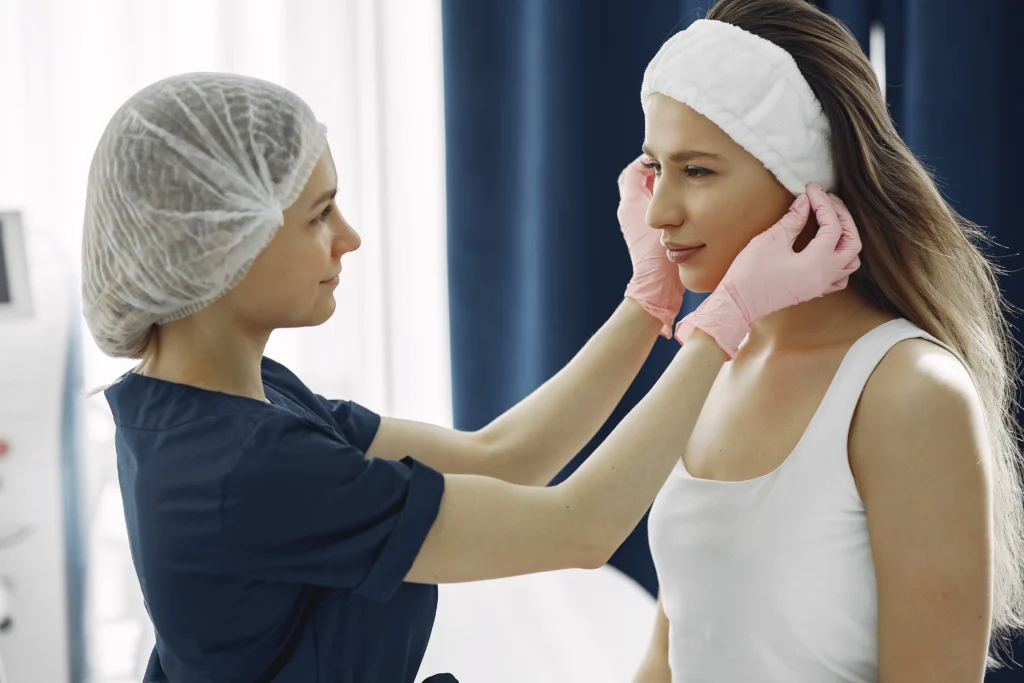
If you’re someone who maintains an active lifestyle, one of your first questions after scheduling facial plastic surgery might be: “When can I get back to the gym?” It’s a valid concern. Exercise is integral to physical health, mental wellbeing, and daily routine for millions of Americans.
However, returning to your workout regimen too soon after facial plastic surgery can compromise your results. It can also cause serious complications. Understanding the relationship between exercise after facial surgery and proper healing is crucial for achieving optimal aesthetic outcomes.
This comprehensive guide will walk you through everything you need to know about post-surgery fitness, workout restrictions, and when you can safely return to your favorite activities.
Understanding Why Exercise Restrictions Matter
After facial plastic surgery—whether you’ve had a facelift, rhinoplasty, brow lift, or eyelid surgery—your body enters a critical healing phase. During this period, your cardiovascular system, blood pressure, and physical exertion levels directly impact how well your surgical sites heal.
How Exercise Affects Healing
When you exercise, your heart rate increases. This elevates blood pressure throughout your body, including in the delicate facial tissues that are healing. This increased blood flow can lead to several complications.
Increased swelling and bruising: Physical activity causes blood vessels to dilate. This can worsen post-operative swelling and prolong bruising around surgical sites.
Bleeding and hematoma formation: Elevated blood pressure can cause bleeding at incision sites or beneath the skin. This potentially creates hematomas (blood collections) that may require medical intervention.
Compromised incisions: Straining, bending, or certain movements can place tension on healing incisions. This increases the risk of wound dehiscence (separation) or widened scars.
Delayed healing: When your body redirects energy toward physical exertion, it diverts resources away from the healing process. This potentially extends your recovery timeline.
Why These Risks Are Real
These aren’t merely theoretical risks. They’re documented complications that plastic surgeons encounter when patients ignore activity restrictions. Taking recovery seriously protects both your health and your aesthetic investment.
General Timeline for Return to Gym Activities
While every patient’s recovery is unique, there’s a general timeline that applies to most facial plastic surgery procedures. Your surgeon’s specific instructions should always take precedence.
Week 1-2: Complete Rest
During the first two weeks following facial surgery, you must take complete rest from all exercise. This doesn’t mean bed rest for the entire period. However, it does mean avoiding anything that elevates your heart rate significantly.
Light walking around your home or neighborhood is typically acceptable. It’s even encouraged to prevent blood clots. But nothing more strenuous should be attempted.
Your body is working overtime during this initial phase. It’s closing incisions, reducing inflammation, and beginning the tissue regeneration process. Any activity that increases blood pressure should be strictly avoided. This includes activities that require you to bend over, lift, or strain.
Week 3-4: Light Activity Introduction
Around the three to four-week mark, many patients receive clearance to begin very light, low-impact activities. This might include:
- Leisurely walking at a comfortable pace
- Gentle stretching (avoiding neck and facial movements)
- Light yoga poses that don’t involve inversions or head-down positions
- Stationary cycling at minimal resistance and moderate pace
The key during this phase is keeping your heart rate below the threshold that significantly elevates blood pressure. As a general rule, if you’re breathing hard or feeling your face flush, you’re pushing too hard.
Week 4-6: Moderate Exercise
Between four to six weeks post-surgery, you may gradually increase intensity. This assumes your healing is progressing well. This phase typically allows for:
- Brisk walking or light jogging
- Elliptical machines at moderate settings
- Swimming (once all incisions are fully healed and approved by your surgeon)
- Light weight training with minimal resistance
Even during this phase, certain restrictions remain important. You should avoid exercises that require you to hold your breath or strain. These actions dramatically increase facial blood pressure.
Week 6-8: Return to Full Activity
Most patients can return to their normal workout routines around six to eight weeks after facial plastic surgery. However, this timeline can vary significantly based on the specific procedure performed and individual healing factors.
More extensive procedures like facelifts may require a longer recovery before high-impact activities are safe. Less invasive procedures might allow for earlier resumption of full exercise.
Procedure-Specific Exercise Guidelines
Different facial plastic surgery procedures have varying recovery timelines and exercise considerations.
When Can I Exercise After Facelift?
Facelift surgery typically requires one of the longest exercise restrictions among facial procedures. Because facelifts involve extensive undermining of facial tissues, they rely on proper tissue adherence for optimal results. Patients usually need to wait a full six to eight weeks before resuming high-impact exercise or heavy weightlifting.
The blood supply to facial skin must re-establish itself during healing. Premature exercise can interfere with this process. This potentially leads to skin necrosis or poor scarring.
Rhinoplasty Recovery and Fitness
After nose surgery, you must avoid any activity that could result in facial trauma for at least six weeks. Contact sports should be avoided for several months.
Additionally, the nasal bones and cartilages are healing into their new position. Elevated blood pressure from strenuous exercise can cause increased swelling. This may affect your final result.
Eyelid Surgery and Working Out
Eyelid surgery (blepharoplasty) patients can often return to light exercise sooner than facelift patients. They typically can resume moderate activity around three to four weeks.
However, you should avoid exercises that cause you to bend forward or hang your head down. These positions can increase swelling around the eyes.
Brow Lift Exercise Restrictions
Brow lift procedures require similar precautions to facelifts. Most surgeons recommend at least four to six weeks before resuming vigorous exercise. Special attention should be paid to avoiding activities that cause excessive facial expressions or forehead movement during the early healing phase.
Activities to Avoid During Recovery
Beyond general exercise, certain specific activities pose particular risks during facial plastic surgery recovery.
High-Risk Activities
Heavy lifting: You should avoid lifting anything over 10-15 pounds for at least three to four weeks. This activity significantly increases blood pressure and strain.
Contact sports: Sports with any risk of facial impact should be avoided for a minimum of six weeks. Often you’ll need to wait longer depending on your procedure.
Swimming and hot tubs: These should be avoided until all incisions are completely healed. You need specific clearance from your surgeon, typically around four to six weeks.
Yoga inversions: Downward dog, headstands, and other inverted positions place your head below your heart. These should be avoided for at least four weeks.
Other Restricted Activities
High-intensity interval training (HIIT): These workouts cause rapid heart rate and blood pressure fluctuations. These can compromise healing.
Saunas and steam rooms: Excessive heat can increase swelling. You should avoid these during early recovery.
Signs You’re Exercising Too Soon
Your body will often signal when you’ve resumed activity too aggressively. Watch for these warning signs:
- Sudden increase in swelling or bruising
- Bleeding or fluid drainage from incision sites
- Increased pain or throbbing sensations in the face
- Incisions that appear to be separating or not healing properly
- Excessive redness around surgical sites
- Feelings of pressure or fullness in the face during or after activity
What to Do If Problems Arise
If you experience any of these symptoms, stop exercising immediately. Contact your plastic surgeon right away. Pushing through these warning signs can lead to complications. These may require additional treatment or even revision surgery.
How DrFace Can Help
At DrFace, we understand that recovery from facial plastic surgery involves more than just following a timeline. It requires personalized guidance based on your specific procedure, healing progress, and lifestyle needs.
Our Comprehensive Post-Operative Care
Detailed pre-operative counseling: We discuss your exercise routine during your consultation. We provide realistic expectations for your return to fitness activities.
Customized recovery protocols: We tailor your post-surgery fitness plan to your specific procedure. We consider your individual healing characteristics.
Regular follow-up appointments: We monitor your healing progress closely. We adjust activity recommendations based on how you’re recovering.
24/7 access to care: If you have questions or concerns about whether a specific activity is safe during your recovery, our team is available. We provide guidance whenever you need it.
Evidence-based recommendations: We base our activity restrictions on current research. Our protocols reflect decades of combined clinical experience in facial plastic surgery.
Why Choose DrFace
Dr. Face and our experienced team have helped thousands of patients navigate the balance between maintaining their active lifestyles and achieving optimal surgical results. We recognize that for fitness enthusiasts, exercise restrictions can be one of the more challenging aspects of recovery. We’re committed to supporting you throughout this temporary adjustment.
Schedule Your Consultation Today
If you’re considering facial plastic surgery and have questions about how it will impact your fitness routine, we invite you to schedule a consultation with DrFace. Learning more about our approach to post-operative care is easy contact us today.
What to Expect During Your Consultation
During your consultation, we’ll discuss your aesthetic goals. Your medical history and activity level will be reviewed. A surgical plan that accounts for your lifestyle needs will be developed.
Clear Recovery Expectations
We’ll provide you with a clear understanding of what to expect during recovery. Specific guidelines for when you can safely return to each type of exercise are included.
Contact DrFace today to take the first step toward achieving your aesthetic goals while maintaining the active lifestyle you love. Our team is ready to answer your questions. We’ll help you plan for a successful surgical experience and smooth recovery.
Frequently Asked Questions
How long after facial plastic surgery can I do cardio?
Light cardio such as easy walking can typically begin within the first week. Moderate cardio activities like brisk walking or stationary cycling usually become safe around three to four weeks. High-intensity cardio should wait until six to eight weeks post-surgery, depending on your specific procedure.
Can I do yoga after facial surgery?
Gentle yoga without inversions can usually begin around three weeks after surgery. Poses that involve placing your head below your heart (like downward dog) should be avoided for at least four to six weeks. These positions increase facial blood pressure and swelling.
When can I lift weights after a facelift?
Light resistance training with weights under 10 pounds may be permitted around four weeks post-facelift. Heavier weightlifting and strength training typically require waiting six to eight weeks. This ensures proper healing and avoids complications from increased blood pressure.
Will exercising too soon ruin my results?
Exercising prematurely can potentially compromise your results. It can cause increased swelling, bleeding, poor wound healing, or tissue damage. In severe cases, complications from early exercise may require revision surgery. Following your surgeon’s guidelines protects your investment in your appearance.
What happens if my heart rate goes up during recovery?
Brief, mild elevations in heart rate from normal daily activities are generally not concerning. However, sustained increased heart rate from exercise causes elevated blood pressure in facial tissues. This can lead to bleeding, increased bruising and swelling, and delayed healing during the critical early recovery period.
Can I exercise my face or do facial exercises after surgery?
Facial exercises should be avoided during early recovery. They can place stress on healing tissues and incisions. Your surgeon will let you know when gentle facial movements are safe, typically after several weeks. Avoid any massage or manipulation of surgical areas unless specifically instructed by your surgeon.