Rhinoplasty: How a Nose Refinement Can Transform Your Look
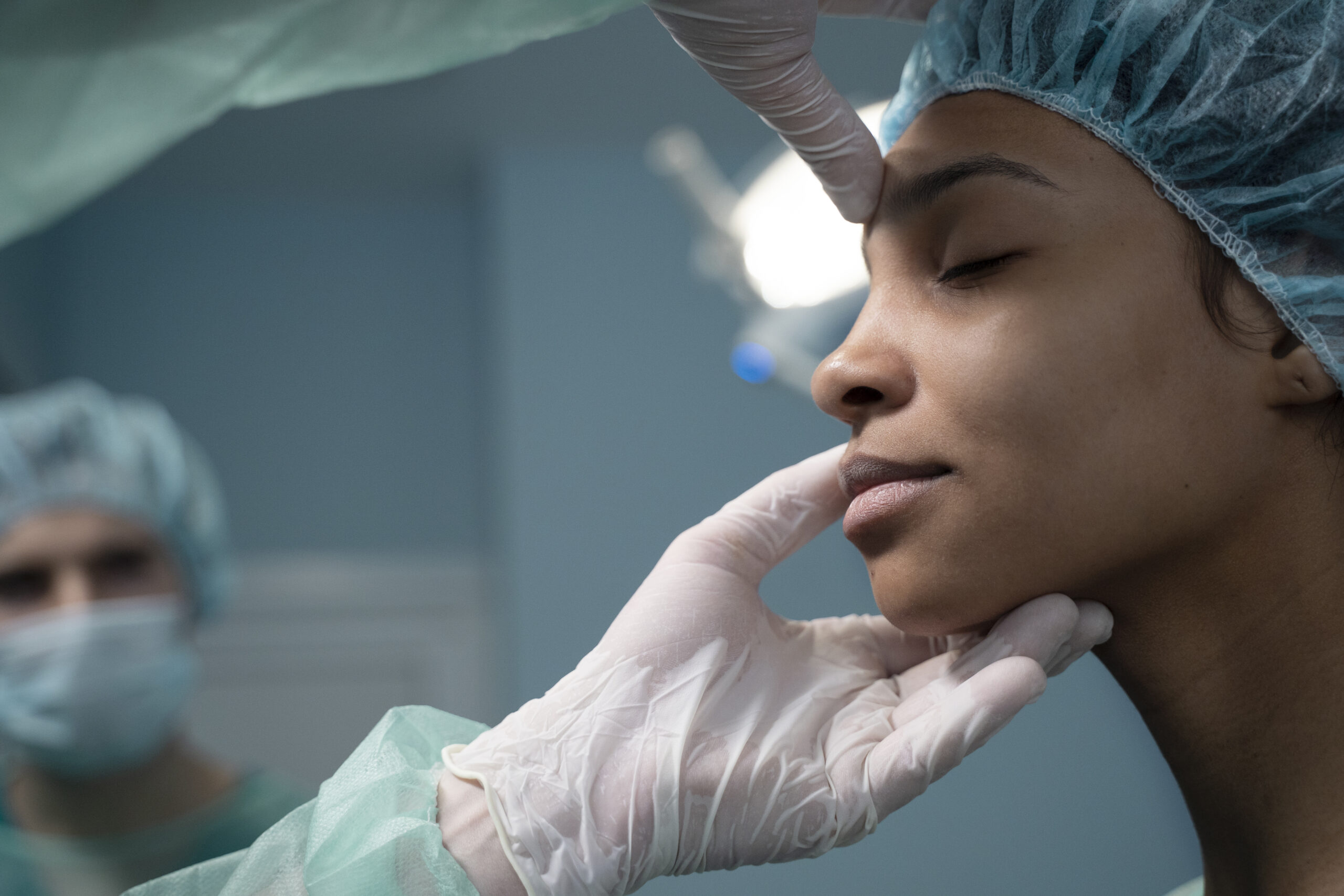
The nose stands as the defining centerpiece of facial architecture, wielding disproportionate influence over how others perceive you and how you perceive yourself. Whether genetic inheritance left you dissatisfied with your nasal profile or an injury altered its structure, living with a nose that feels misaligned with your identity creates persistent discomfort. Rhinoplasty emerges as a sophisticated solution addressing both aesthetic aspirations and functional necessities.
This guide navigates the essential landscape of nasal reshaping, illuminating the path toward informed decision-making about this life-changing procedure.
The Essence of Rhinoplasty
Rhinoplasty, colloquially termed a nose job, encompasses surgical intervention designed to modify nasal dimensions, contours, or structural relationships. This procedure transcends mere cosmetic enhancement, frequently addressing breathing impediments while simultaneously refining appearance. Nasal reshaping represents a dual-purpose intervention capable of resolving both visible concerns and hidden functional limitations.
Facial plastic surgeons are skilled in modifying the bridge prominence, nostril breadth, tip definition, and overall facial proportion, among other aspects of the nose. Through meticulous surgical manipulation of cartilage and bone, practitioners sculpt your nose to achieve enhanced harmony with surrounding features. The paramount objective focuses on generating results appearing entirely organic, eliminating any telltale surgical signatures.
Beyond physical alterations, patients consistently report psychological benefits extending into multiple life domains. When your reflection finally matches your internal self-image, the liberation from years of self-consciousness catalyzes improvements in social confidence, professional presence, and overall life satisfaction.
Why People Choose Nose Surgery
The motivations driving individuals toward rhinoplasty span a diverse spectrum, each reflecting deeply personal concerns about appearance or functionality.
Dorsal humps represent among the most prevalent aesthetic complaints, creating unwanted prominence along the nasal bridge that disrupts profile harmony. Alternatively, insufficient bridge height generates a flattened appearance requiring augmentation for improved definition and proportion.
Nasal tip characteristics significantly influence overall aesthetic impact. Bulbous tips lacking refinement, drooping tips descending during facial expressions, or excessively elevated tips all represent common concerns addressed through surgical intervention. The tip’s visibility from multiple viewing angles makes its appearance particularly influential in overall nasal perception.
Width-related issues manifest across different nasal regions, from overly broad bridges dominating facial real estate to disproportionate nostril flare at the nasal base. These dimensional concerns often intertwine with ethnic characteristics, requiring surgeons who appreciate cultural aesthetics while achieving patient objectives.
Structural abnormalities including deviated septums transcend cosmetic concerns, creating genuine medical issues through airway obstruction. Chronic nasal congestion, snoring disturbances, and compromised breathing during physical exertion all justify surgical correction. When respiratory difficulties coincide with aesthetic dissatisfaction, comprehensive rhinoplasty addresses both dimensions simultaneously.
Trauma-induced deformities from accidents or athletic injuries frequently necessitate reconstructive correction. Additionally, some patients pursue revision procedures to rectify disappointing outcomes from previous surgeries, emphasizing the critical importance of initial surgeon selection.
Rhinoplasty Versus Septoplasty: Understanding the Difference
Though these terms occasionally blend in casual conversation, rhinoplasty and septoplasty serve fundamentally distinct purposes warranting clear differentiation.
Rhinoplasty concentrates predominantly on external nasal appearance, reshaping visible architecture to enhance aesthetic appeal and facial balance. Surgeons modify the structural framework—cartilage and bone—to achieve desired contours, angles, and proportional relationships. While functional improvements frequently accompany aesthetic rhinoplasty, cosmetic transformation remains the driving purpose.
Septoplasty addresses internal structural defects affecting the nasal septum—the partition creating separate nasal passages. This intervention straightens deviated or malformed septums to restore unobstructed breathing. Classified as functional rather than cosmetic surgery, septoplasty prioritizes medical necessity over appearance enhancement.
Many patients experience optimal outcomes through combined rhinoplasty and septoplasty performed concurrently. This integrated approach simultaneously achieves aesthetic goals and functional restoration, eliminating multiple recovery periods while potentially qualifying for partial insurance reimbursement for the medically necessary septoplasty component.
Evaluating Nose Job Cost Factors
Financial considerations constitute an unavoidable component of rhinoplasty planning. Nose job cost fluctuates substantially based on multiple variables deserving careful examination.
Surgeon credentials and specialization profoundly impact pricing structures. Board-certified facial plastic surgeons demonstrating extensive rhinoplasty experience command premium compensation reflecting their refined skills, superior outcome consistency, and reduced complication rates. This investment frequently proves worthwhile through enhanced results and minimized revision surgery necessity.
Geographic positioning significantly influences procedural expenses. Metropolitan centers characterized by elevated operational overhead typically maintain higher fee schedules than smaller markets. Regional demand dynamics, local competition, and cost-of-living variations all contribute to geographic pricing disparities.
Surgical complexity directly correlates with total investment. Straightforward primary rhinoplasty addressing isolated concerns costs considerably less than revision rhinoplasty correcting previous surgical failures or ethnic rhinoplasty requiring specialized technical approaches. Incorporating septoplasty or additional functional corrections increases overall expenses but may qualify for insurance contribution.
Comprehensive costs encompass surgeon professional fees, anesthesia administration, facility utilization, preoperative diagnostic imaging, prescription medications, and postoperative follow-up appointments. Reputable practitioners furnish detailed financial disclosure during consultation, itemizing anticipated expenses to facilitate accurate budgeting.
Insurance coverage rarely extends to cosmetic rhinoplasty given its elective classification. However, documented functional impairment justifying septoplasty or structural correction may warrant partial reimbursement. Many practices facilitate financing through specialized medical lending institutions, enhancing accessibility for qualified candidates.
Identifying the Best Rhinoplasty Surgeon
Surgeon selection represents your most consequential decision throughout the rhinoplasty journey. The best rhinoplasty surgeon for your unique circumstances combines technical mastery, aesthetic sophistication, and interpersonal rapport inspiring complete confidence.
Board certification by the American Board of Facial Plastic and Reconstructive Surgery or American Board of Plastic Surgery confirms rigorous training completion and demonstrated competence. These credentials verify comprehensive education, successful examination performance, and ongoing professional development commitment.
Specialized rhinoplasty focus distinguishes surgeons performing this procedure regularly from those incorporating it occasionally among diverse surgical offerings. Practitioners dedicating substantial practice volume to nasal surgery develop refined technical skills and nuanced aesthetic judgment translating to consistently superior outcomes.
Comprehensive before and after portfolios deliver invaluable insight into surgical capabilities and aesthetic sensibilities. Examine results for patients sharing similar concerns and ethnic backgrounds. Quality galleries showcase diverse cases with uniformly natural-appearing outcomes rather than repetitive, cookie-cutter results suggesting limited technical versatility.
Patient testimonials provide perspective on the complete surgical experience beyond technical results alone. Review feedback addressing consultation thoroughness, staff professionalism, postoperative care quality, and complication management approaches.
Personal connection during consultation profoundly influences overall satisfaction. Your ideal surgeon demonstrates attentive listening, explains options clearly without condescension, provides candid assessments of realistic outcomes, and never employs pressure tactics. Trust your instincts regarding whether communication style and aesthetic philosophy align with your expectations.
The Surgical Experience and Recovery Journey
Understanding what rhinoplasty entails alleviates anxiety and ensures thorough preparation. Most procedures occur in accredited surgical facilities under general anesthesia, typically requiring one to three hours depending on complexity.
Prior to surgery, you’ll receive comprehensive instructions regarding medication adjustments, dietary restrictions, and lifestyle modifications. Discontinuing blood-thinning substances, herbal supplements, and tobacco significantly reduces complication risks and promotes optimal healing.
Following surgery, expect moderate swelling, bruising around the eyes, and nasal congestion. External splints protect your nose during initial healing, typically remaining positioned for approximately one week. Most patients manage discomfort effectively with prescribed analgesics, finding the experience less painful than anticipated.
Initial recovery demands maximum rest with head elevation minimizing swelling. Visible bruises significantly lessen by the second week, allowing the majority of patients to return to work and reduced social activities. However, complete healing extends twelve to eighteen months as subtle swelling gradually resolves, particularly affecting nasal tip definition.
Adhering strictly to activity restrictions prevents complications potentially compromising results. Avoiding strenuous exercise, contact sports, and sun exposure during critical healing phases protects your surgical investment.
Why Choose Robinson Facial Plastic Surgery
Selecting a practice exclusively dedicated to facial plastic surgery ensures specialized expertise that general practices cannot replicate. Robinson Facial Plastic Surgery concentrates entirely on facial procedures, delivering focused knowledge and refined techniques to every patient encounter.
This singular specialization means every team member possesses profound understanding of facial anatomy, aesthetic principles, and nuanced techniques, creating harmonious, natural-appearing results. The practice’s exclusive focus permits continuous skill refinement and innovative approach adoption that advances patient outcomes.
Patients benefit from individualized surgical planning honoring unique facial architecture, ethnic background, and aesthetic aspirations. The practice acknowledges that good rhinoplasty involves more than just technical skill; it also requires artistic vision to understand how nasal modifications impact overall facial harmony.
Beyond surgical excellence, Robinson Facial Plastic Surgery prioritizes comprehensive patient education and emotional support throughout your transformation journey. From initial consultation through final follow-up, you receive transparent communication, honest expectations, and compassionate care addressing both physical results and psychological well-being.
Frequently Asked Questions
How long does rhinoplasty recovery take?
Most patients resume work within ten to fourteen days, though complete healing extends twelve to eighteen months. Visible swelling substantially improves within the first month, but subtle refinement continues as residual inflammation gradually resolves.
Will my nose look natural after surgery?
When performed by skilled surgeons, rhinoplasty produces natural-appearing results harmonizing with your facial features and respecting ethnic background. The goal involves enhancing inherent beauty rather than creating obvious surgical alteration.
Can rhinoplasty fix breathing problems?
Absolutely. Rhinoplasty frequently addresses structural abnormalities causing breathing difficulties, particularly when combined with septoplasty. Surgeons correct deviated septums, enlarge nasal valves, and strengthen collapsed cartilages restoring proper airflow.
What’s the ideal age for nose surgery?
Most surgeons recommend waiting until facial growth completes—typically around age fifteen to sixteen for females and seventeen to eighteen for males. However, appropriate candidacy depends more on physical maturity and psychological readiness than chronological age.
Can rhinoplasty be combined with other procedures?
Many patients achieve comprehensive facial enhancement combining rhinoplasty with complementary procedures including chin augmentation, eyelid surgery, or facelift procedures. Combining interventions reduces total recovery time compared to separate operations.
Conclusion
Rhinoplasty delivers transformative results for individuals seeking nasal refinement and functional restoration. Whether pursuing subtle enhancement or significant reshaping, modern techniques produce natural-appearing outcomes harmonizing with your unique characteristics.
Understanding surgical approaches, maintaining realistic expectations, and comprehending potential risks empowers informed decision-making. The investment in time and finances frequently yields decades of enhanced confidence and satisfaction.
By selecting qualified, experienced facial plastic surgeons like those at Robinson Facial Plastic Surgery and committing to proper care protocols, you maximize your probability of achieving beautiful results that enhance rather than alter your distinctive features. Your refined nose will complement your facial architecture perfectly, finally reflecting the confident, attractive person you’ve always been.
This website does not contain medical advice and the use of this website does not create a physician/patient relationship between you and Robinson Facial Plastic Surgery. The photographs of models displayed on this web site are for decorative purposes only. See before & after photos for possible results.
Quick Links
About Us
Surgical Procedures
Non-Surgical Procedures
Privacy Policy
Sitemap
Terms of Use
HIPAA Privacy Notice
Contact Us
Robinson Facial Plastic Surgery
- Phone : (949) 831- 5900
- Email : info@drface.com
- Address : 24541 Pacific Park Drive | Suite 103 Aliso Viejo, CA 92656
- Country : United States
Pacific Hills Surgery Center
- Phone : 949.458.3551
- Email : info@drface.com
- Address : 24022 Calle De La Plata Laguna Hills, CA 92653-3626
- Country : United States
Our Gallery


- Copyright 2025 Drface
- Power by Technijian